
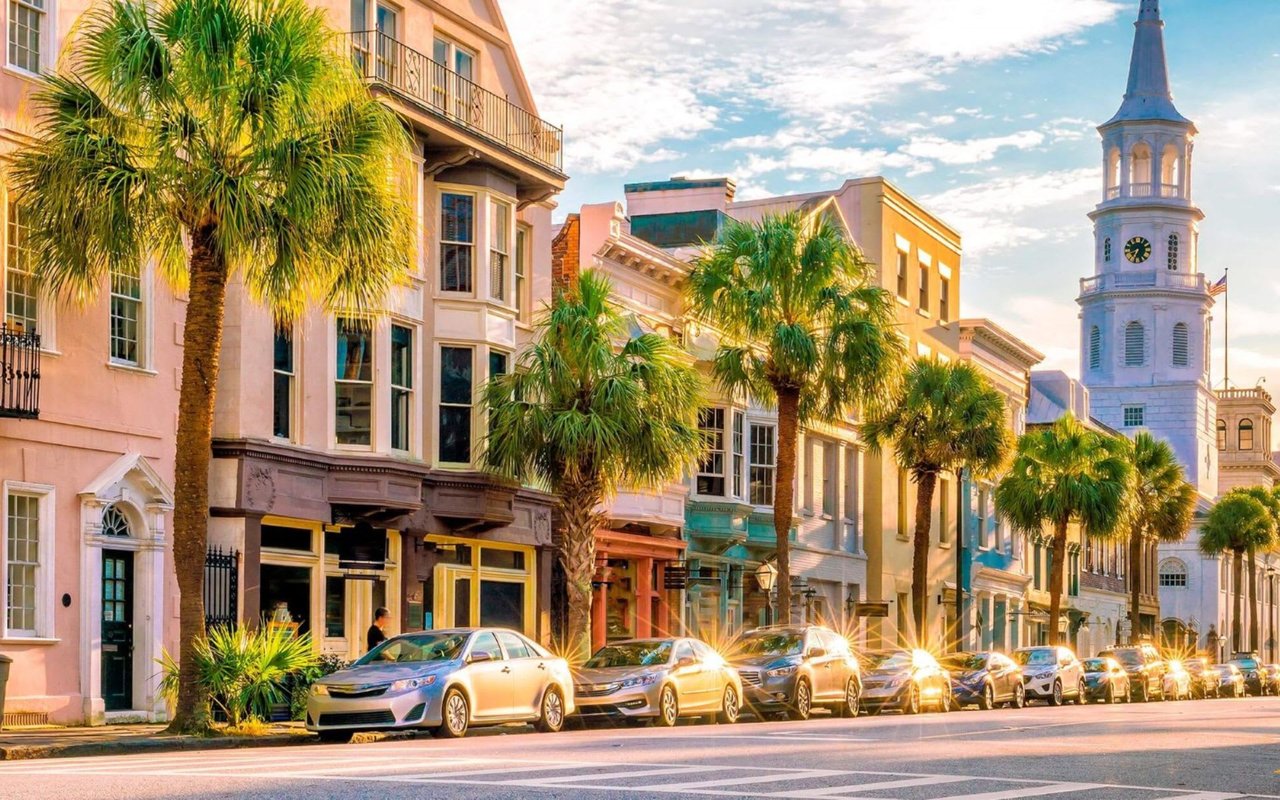
House flipping is a great way to transform an old property into a brand new home, either for yourself or for profit. Established in 1670 as a port city, Charleston makes for a perfect house-flipping destination because of its historic neighborhoods and old homes in need of a total transformation. However, would-be investors interested in flipping houses in Charleston need to prepare themselves before they take the gamble. After all, a successful house flip isn’t always guaranteed, but knowing the following information certainly improves your odds.
According to a report in December by the National Association of Realtors (NAR), Charleston is expected to be among the top 10 regions for housing market growth throughout 2023. The NAR determined the best markets based on the following economic factors: housing affordability, job growth, gains in migration and population growth, increase in housing inventory, and the number of renters who can afford a median-priced home.
Paired with a recent February report, this data provides strong evidence for a profitable housing market in Charleston this year. Median sales prices for single-family homes, condos, and townhomes have risen and are expected to rise even further. Now would be a great opportunity to buy an old home and flip it to reap a higher profit later in the season.
When it comes to flipping houses in Charleston, you need to begin by looking for homes below the median market value. There are a number of ways to find cheap properties with tons of flipping potential.
Finding great deals on old homes to flip can be easier when you look at listings that are struggling to sell. Here are a handful of things to keep in mind as you browse properties listed for sale in Charleston:
When a home struggles to sell, the seller tends to be more amenable to selling for a lower price. These options make for great investments for house flipping.
There are a few ways to finance flipping a home in Charleston, but it all comes down to your budget and the scale of your project. For example, small house flips will require fewer expenses, while full-scale transformations will demand far more.
A hard money loan is when a pre-existing property in your ownership is used as collateral in order to finance another property. The term is usually less than a year, has interest rates ranging from 12 to 18 percent, and charges an additional one to five points depending on the lender. While this type of loan is considered more expensive and difficult, it’s a perfect option for avoiding restrictions and other bureaucratic limitations on purchasing property.
A conventional loan is much like any standard mortgage. You select a lender with the best interest rates and choose a loan term. This financing option is straightforward and simple, but there are limitations. Traditional lenders, for example, won’t finance a home in poor condition. If you’ve set your sites on a dilapidated property, you’ll want to reconsider how you finance it.
Lastly, you can launch a crowdfunding campaign. Crowdfunding is when individuals and/or institutions contribute funding toward a specified goal. These contributors are known as investors who pay a small percentage of your loan and earn interest on that sum. There are sites specifically designed to fund house-flipping investments, as traditional crowdfunding sites are for smaller-scale projects such as home remodels and debt consolidations.
Charleston as a whole is a great city to live in, with its charming cobblestone roads and gorgeous architecture, but there are three neighborhoods to consider above the rest.
Mount Pleasant is a gorgeous suburban town known for its Southern charm and historic architecture. The town has seen rapid population growth over the years, making it a perfect option for house flipping.
To the south of Charleston is James Island, a charming town tucked between the Charleston Harbor and the Stono and Folly Rivers. It’s another beautiful location offering residents immediate access to the fresh outdoors.
Summerville is a cozy little town best known for its spring blossoms, attracting tourists since the 1900s to marvel at the Azalea gardens. The historic neighborhoods and charming little homes offer another house-flipping opportunity.
Here are a few additional tips for enhancing the appeal of a Charleston home.
Home staging is the strategic use of furniture and space to maximize the appeal of a home, usually by showcasing its best aspects. After flipping a home, you should capitalize on the new look by investing in professional home staging.
Photography makes all the difference in selling a Charleston home faster. Home photographers can further enhance your home’s appeal by capturing it at its best. Photographs are the first thing buyers will see when they look at your listing, making it essential that you have high-quality images on hand.
Nowadays, buyers look for homes with energy-efficient fixtures. Since old homes tend to be outdated and in need of upgrades, consider implementing energy-efficient appliances, systems, windows, and other features to improve the property’s appeal and value.
For further information on flipping houses in Charleston, reach out to the Andy Bovender Team, an elite group of real estate agents specializing in the Charleston area. Their expertise and knowledge of current market trends will help you succeed in your house-flipping project. Give them a call at your earliest convenience to get started.

The Andy Bovender Team pairs deep Carolinas market knowledge with the reach of Compass. Expect straight answers, sharp preparation, and a process that stays simple, whether you are buying, selling, or both.