Search Columbia,SC homes for sale with local experts, Andy Bovender Team
Discover Local CommunitiesColumbia spans Richland and Lexington counties, and the municipal boundary does not align with a single school district. Here, housing ranges from downtown apartments and historic neighborhoods to established subdivisions and newer infill.
Residents can choose a more urban routine near downtown and the university or a quieter residential setting in the city's outer neighborhoods.
Conditions can vary by street, development, and jurisdiction, so property-level due diligence remains important.
The Three Rivers Greenway, museums, performance venues, college athletics, and city parks offer year-round options. A property address is essential because Columbia addresses can fall in Richland One, Richland Two, or Lexington-area districts.
School note: Attendance zones, program eligibility, and transportation can change. Confirm every assignment with the district using the full property address before making a housing decision.
The Vista, Main Street, Five Points, Devine Street, and other districts provide different mixes of local restaurants, markets, and shops.
Columbia is South Carolina's capital and largest inland city, and the range of Columbia homes for sale runs from bungalows under $200,000 in the older streetcar neighborhoods to renovated historic houses above $700,000 within a mile of the State House. It sits at the confluence of the Broad and Saluda rivers, where they form the Congaree, in the middle of the state and roughly ninety minutes from both Charlotte and Charleston. The city's shape comes from three institutions that are not going anywhere: the University of South Carolina, whose campus runs directly into downtown, Fort Jackson on the eastern edge, and state government in the middle. Prisma Health anchors the medical economy on top of that.
What that combination produces is a market with unusual price stability and unusual variety inside a small radius. Redfin recorded a Columbia median sale price of about $276,000 over the three months ending May 2026, up roughly 2 percent year over year, with homes taking about 40 days to sell against 36 days a year earlier. Zillow's home value index for the city sat near $231,000 as of the end of June 2026, up about 1.4 percent, and one aggregator reported a June 2026 median closer to $253,500 at about $151 per square foot. Those figures measure different things and none of them is the whole picture, but they agree on direction: Columbia is appreciating in the low single digits while inventory and days on market both edge up. That is a normalizing market, not a falling one.
The city median also understates what the strongest in-town neighborhoods do. Move-in-ready houses in Shandon and Forest Acres regularly trade well above the citywide figure, while Rosewood, Earlewood, and the Cottontown and Elmwood Park historic districts still hold the most accessible entry points inside the older street grid. New construction is concentrated northeast of the city and out toward Irmo and Lexington rather than in the core, which is why a buyer who wants a 1920s bungalow and a buyer who wants a 2024 build are effectively shopping in different halves of the same metro. Fort Jackson also generates a steady flow of permanent change of station moves every year, which keeps both the sale and rental markets moving on a rhythm most cities do not have.
The Andy Bovender Team works Columbia and the surrounding Midlands as part of a Compass footprint that also covers Charlotte, Charleston, Wilmington, Fort Mill, Greenville, Lake Murray, and the Outer Banks. Columbia rewards that kind of neighborhood-level knowledge more than most markets its size, for two reasons. First, the city is served by more than one school district, and district lines cut across neighborhood lines rather than following them, so a street name is not an answer to a school question. Second, the older neighborhoods inside the street grid were built across a fifty-year span, which means two houses on the same block can differ in wiring, plumbing, foundation type, and renovation history in ways that a listing photograph will not show.
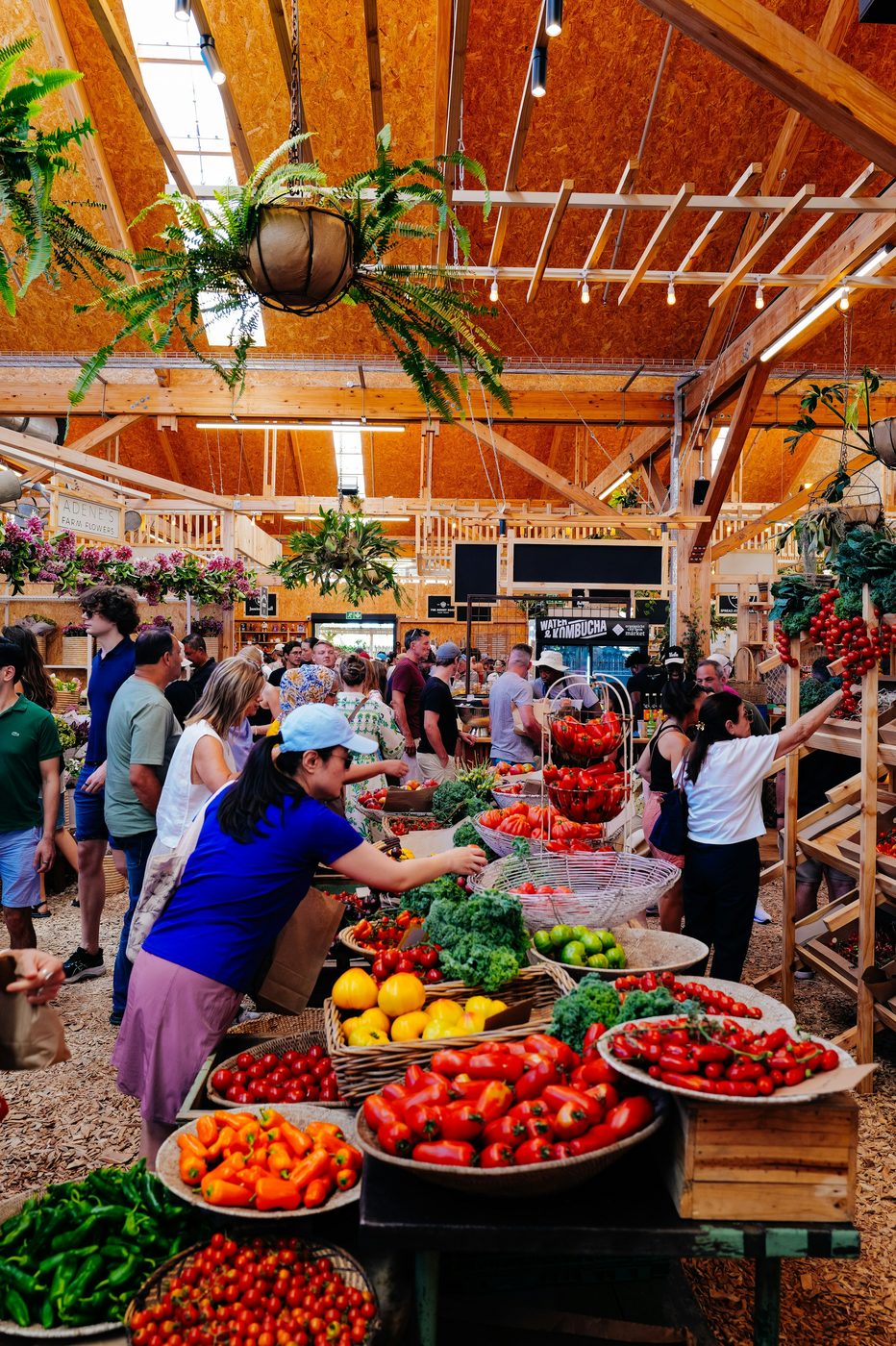
Soda City Market Closes Main Street Every Saturday
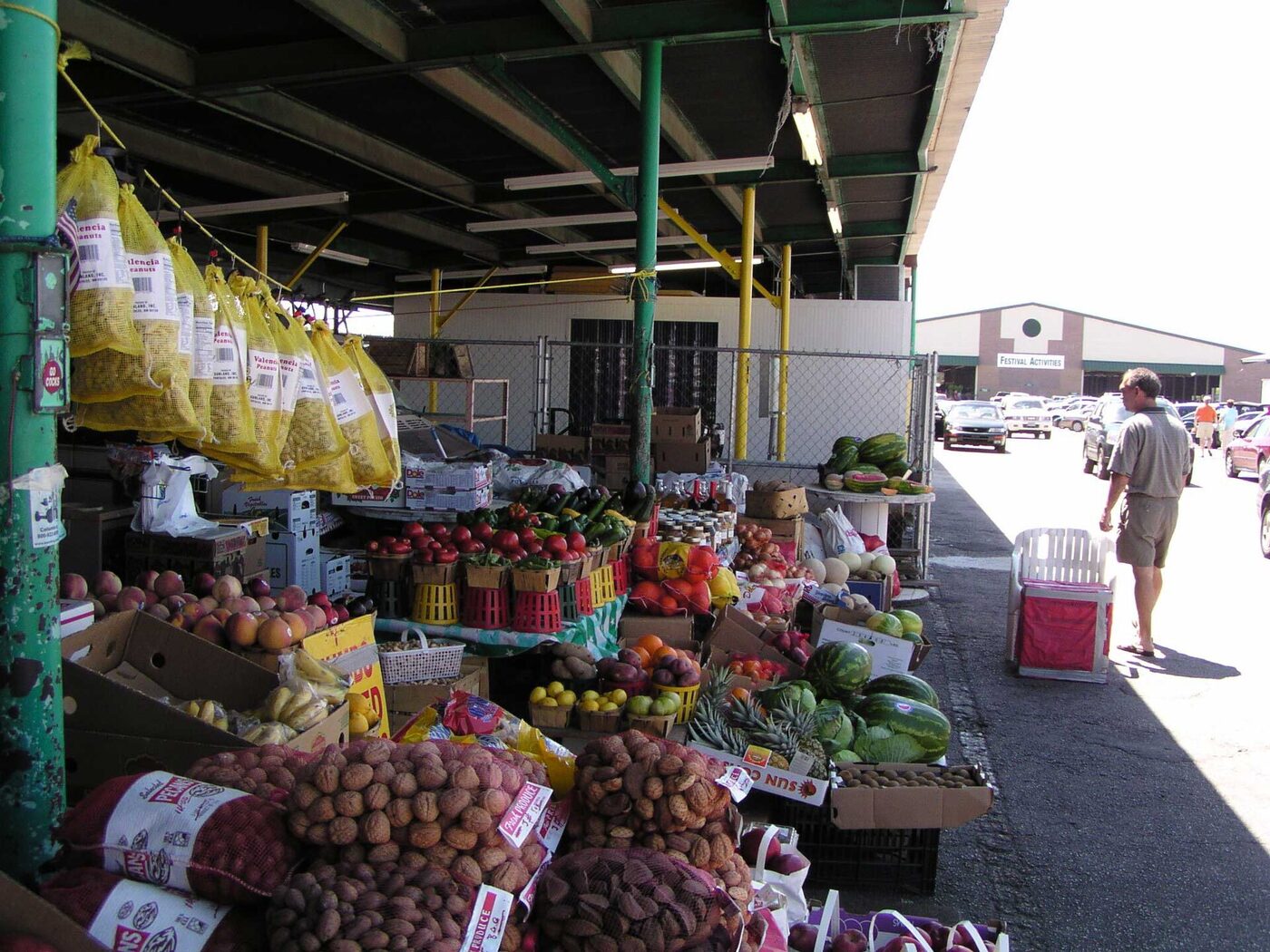
Soda City Market runs along Main Street between roughly 1300 and 1700 on Saturday mornings from 9 to 1, with the street closed to traffic and several blocks of produce, prepared food, and craft vendors one block from the State House. It is the city's weekly gathering point and the single easiest way to understand downtown Columbia.
Riverbanks Zoo and Garden on the Saluda River
Riverbanks Zoo and Garden at 500 Wildlife Parkway is one of the most visited attractions in South Carolina, spanning both banks of the Saluda River with a botanical garden, a sky ride, a carousel, a train, and giraffe feeding. It is open daily and sits about five minutes from downtown.
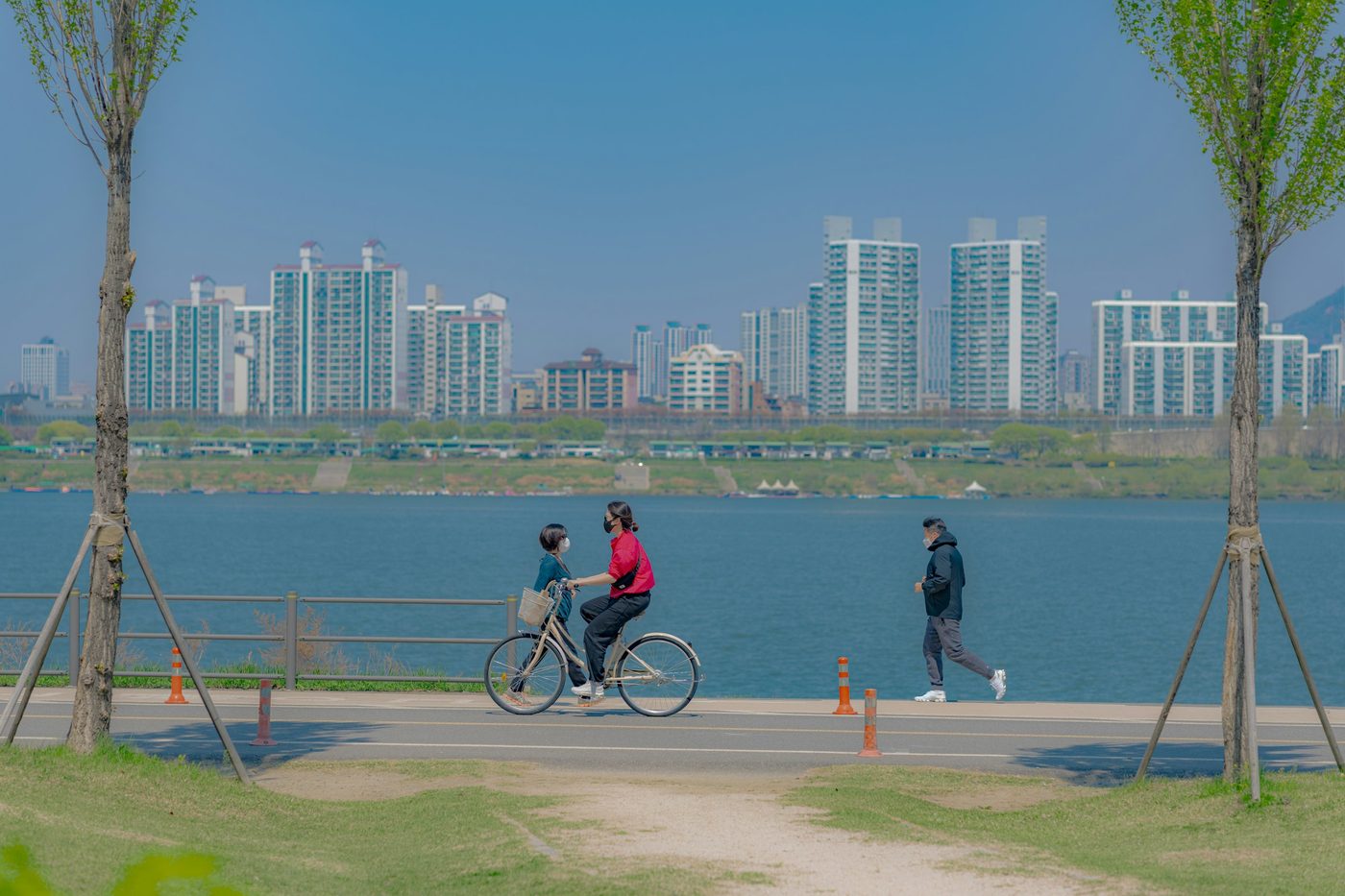
Three Rivers and Miles of Riverwalk
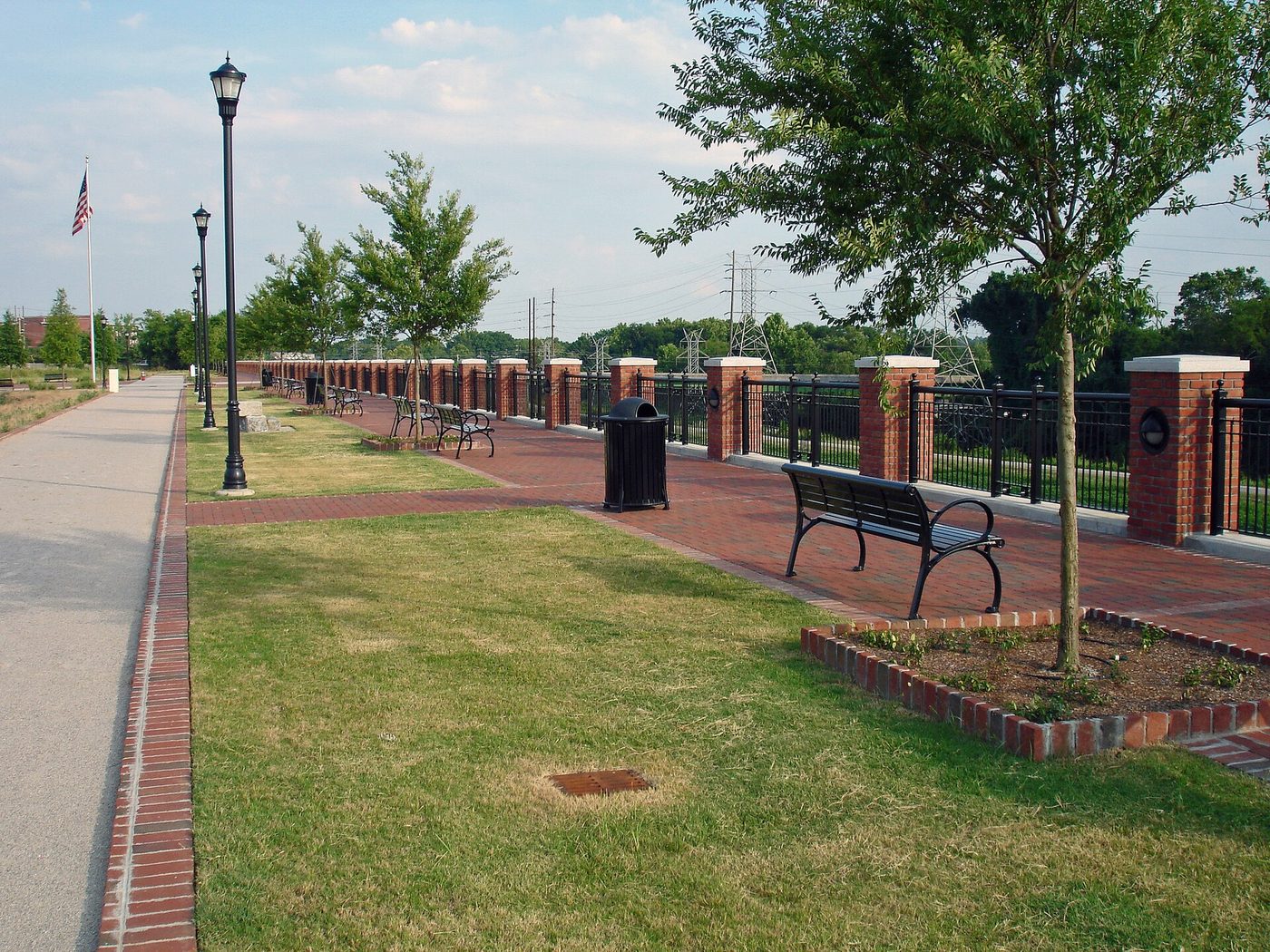
The Broad and Saluda rivers meet in Columbia to form the Congaree, and the West Columbia Riverwalk Park and Amphitheater at 109 Alexander Road runs paved and boardwalk trail along the water with an amphitheater, benches, restrooms, and heavy tree cover. Walkers, runners, and cyclists use it year-round.
A Downtown You Can Actually Walk
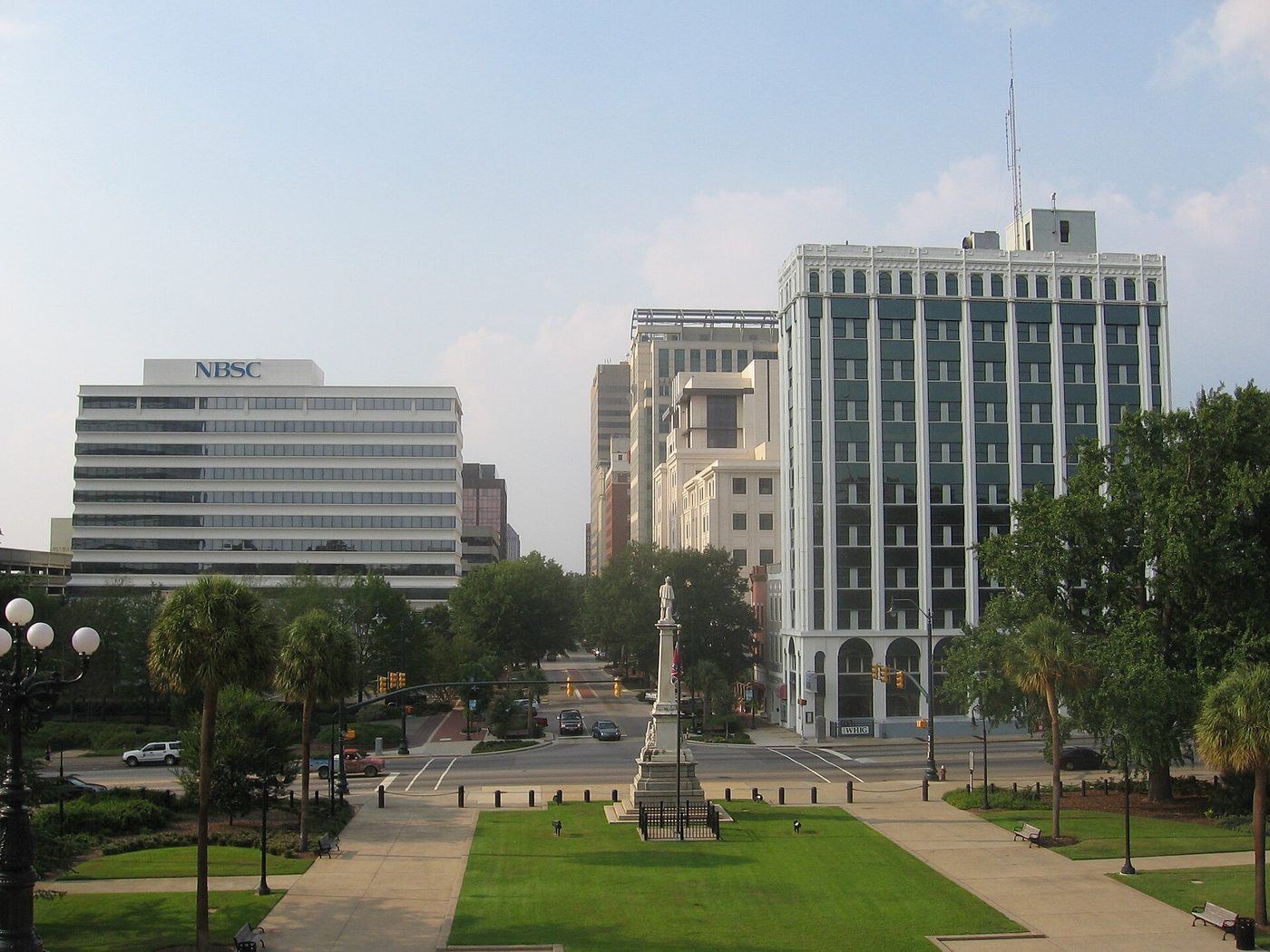
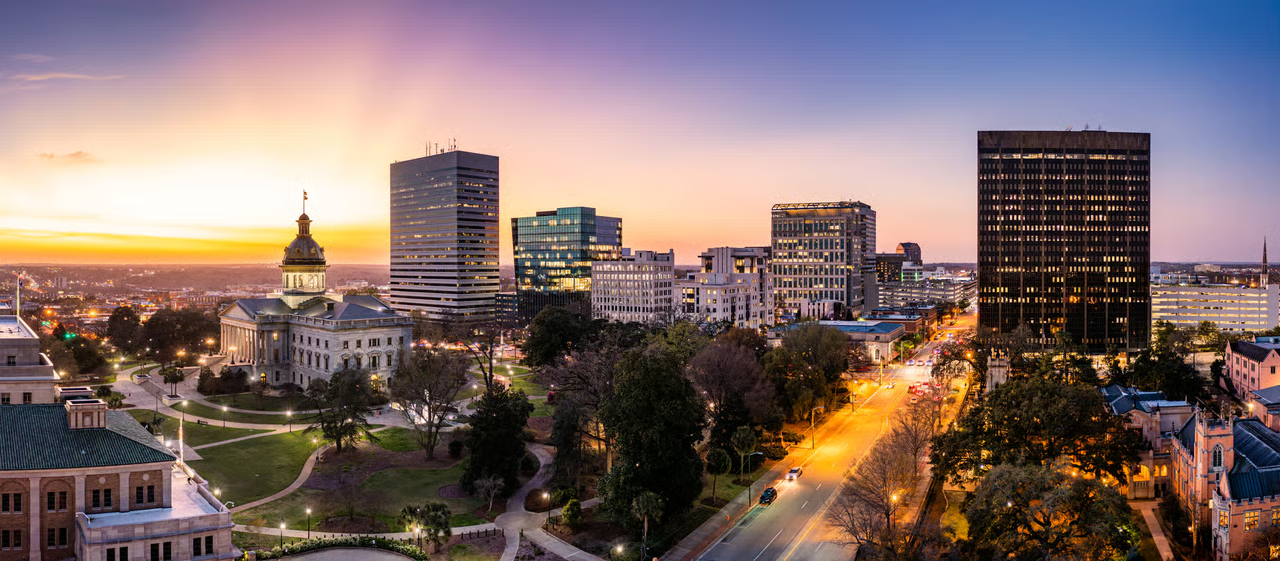
Main Street, the Congaree Vista, and Five Points sit within about a mile and a half of each other, connected on foot and by bike, with the State House, the university campus, restaurants, and offices all inside that radius. Very few cities Columbia's size put this much within walking distance of downtown housing.
Bungalow Streets From the 1910s Through the 1950s
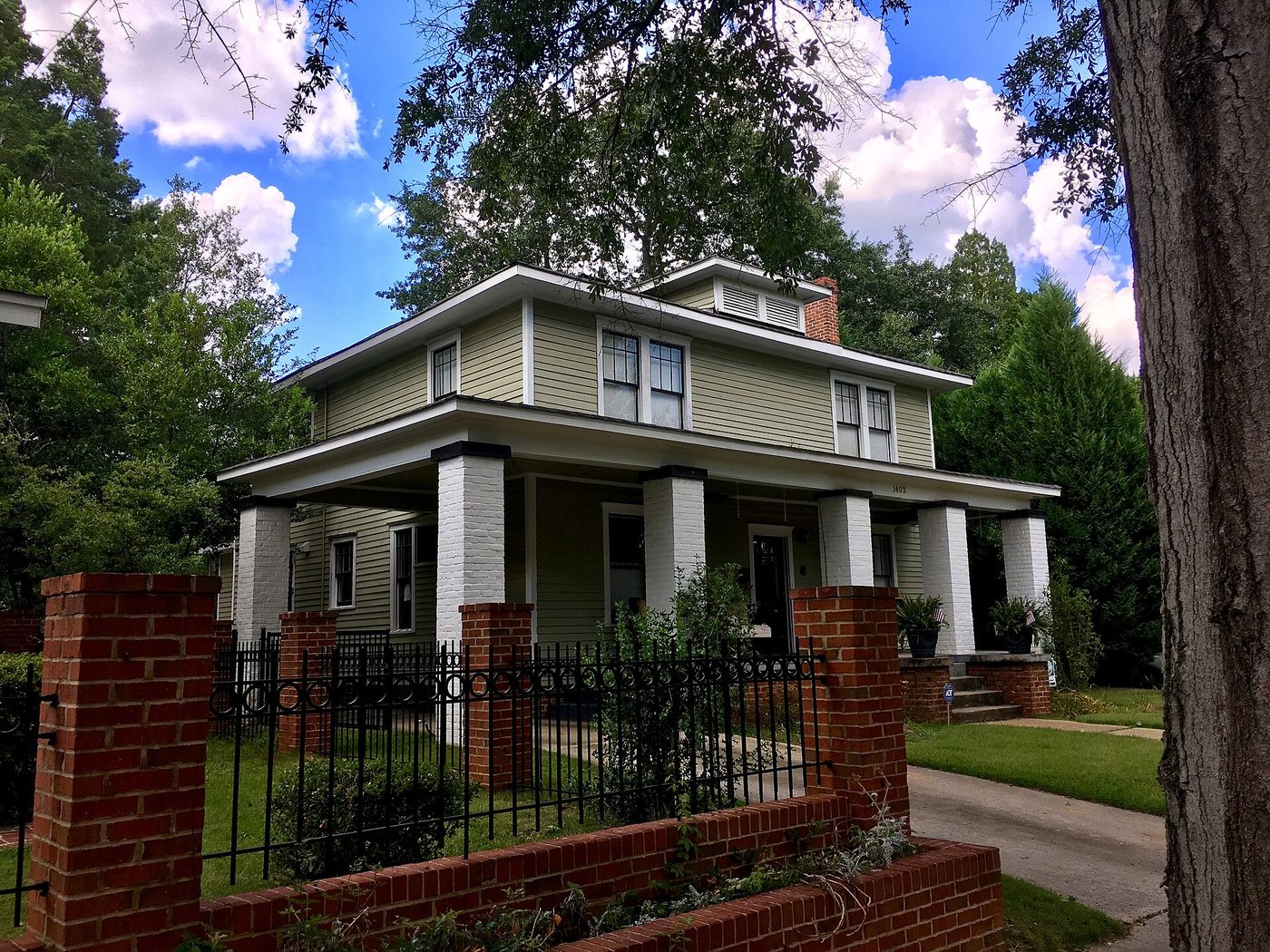
Shandon, Old Shandon, Rosewood, Cottontown, and Elmwood Park hold Columbia's concentration of Craftsman bungalows, Victorian cottages, and mid-century houses on tree-lined streets, most within two miles of Main Street. Buyers who want period architecture rather than new construction shop these streets first.
Ninety Minutes to Charlotte and Ninety to the Coast
Columbia sits at the crossing of Interstates 20, 26, and 77 in the middle of the state, which puts Charlotte and Charleston each roughly ninety minutes away and the Blue Ridge and the Lowcountry beaches inside a half-day drive. Columbia Metropolitan Airport handles the short-haul flights.
Columbia is a collection of distinct neighborhoods rather than a single market, and inside the older street grid the differences in price, housing era, and walkability are sharp enough to matter within a few blocks. These are the six areas buyers ask about most.
The Congaree Vista
The Vista is Columbia's converted warehouse district, running along Gervais Street between the State House and the Congaree River, and it is the most urban address in the city. Nineteenth and early twentieth century commercial buildings hold restaurants, galleries, offices, and loft apartments, with Motor Supply Company Bistro, Gervais and Vine, and City Grit all on Gervais within a few blocks. Residential inventory here is overwhelmingly condominiums and converted lofts rather than houses, and it carries a premium per square foot over most of the city. Buyers choose the Vista to be able to walk to work and to dinner, and should expect an urban trade-off: event traffic, limited private parking, and a district that is busiest in the evening.
Shandon and Old Shandon
Shandon is the established in-town neighborhood buyers ask about by name, sitting east of Five Points on a grid of tree-lined streets a short bike ride from Main Street. Housing runs to Craftsman bungalows, Colonial Revival and Victorian houses, and mid-century infill, with Old Shandon holding the earliest of the stock. Homes here regularly trade above the citywide median, and turnover is limited enough that well-priced listings move quickly. Martin Luther King Jr. Park and Sims Park sit inside the neighborhood, and Devine Street carries its retail and restaurants, including Backstreets Grill at 2400 Devine. Buyers should budget for the maintenance profile of houses of this age, particularly roofs, HVAC, and plumbing.
Five Points
Five Points is the junction where Harden, Devine, Saluda, and Blossom streets meet, immediately adjacent to the University of South Carolina, and it is the city's most concentrated restaurant and nightlife district. Housing near the junction is a mix of older houses, converted multi-family, condominiums, and student rentals, and the balance shifts quickly toward owner-occupied houses as you move a few blocks out toward Shandon. Publico at 2013 Greene Street and Pawleys Front Porch on Harden anchor the dining. Buyers looking here should walk the specific block at night as well as during the day, because the character of Five Points changes substantially between a Tuesday afternoon and a Saturday during the academic year.
Rosewood
Rosewood sits south of Shandon and is the neighborhood most often described as Columbia's best remaining value inside the older grid. Housing is smaller-scale than Shandon, mostly bungalows and cottages on modest lots, and it holds one of the city's more accessible entry points for buyers who want period architecture within two miles of downtown. Rosewood Drive carries the neighborhood's retail, City Roots operates as an urban farm inside the neighborhood, and Hunter-Gatherer Brewery occupies a former airport hangar at 1402 Jim Hamilton Boulevard nearby. The Rosewood Crawfish Festival is the neighborhood's signature annual event.
Cottontown and Elmwood Park
Cottontown and Elmwood Park are adjoining historic districts north of Elmwood Avenue, just above the Main Street corridor, and they hold Columbia's most concentrated stock of restored early twentieth century houses. Craftsman and revival-style homes sit on a compact grid within walking distance of Earlewood Park and a short drive from Main Street. Cottontown hosts an annual art crawl, and Elmwood Park has Roy Lynch Park inside it. Both districts sit adjacent to the BullStreet District, the redevelopment of the former state hospital campus that includes Segra Park, which is the most significant change underway anywhere near downtown Columbia and worth understanding before buying on that side.
Forest Acres
Forest Acres is a separate incorporated city surrounded by Columbia, northeast of downtown along Forest Drive, and it functions as the established suburban option closest to the core. Housing runs to mid-century ranch and traditional two-story homes on larger lots than the in-town grid offers, with newer infill and renovation activity throughout. It regularly trades above the Columbia citywide median and competes with Shandon for buyers who want established housing rather than new construction. Because Forest Acres is its own municipality, buyers should confirm which city's services, taxes, and ordinances apply to a specific address rather than assuming Columbia's.
Property Types Across the City
Four broad categories cover most of what a buyer will see. Period houses in the older street grid, roughly 1910 through 1960, dominate Shandon, Rosewood, Cottontown, and Elmwood Park and are bought for architecture and location rather than for square footage. Downtown condominiums and warehouse lofts are concentrated in the Vista and along Main Street and appeal to buyers who want to walk to work. Mid-century and later suburban houses on larger lots make up Forest Acres and the corridors east and northeast. New construction is concentrated outside the core, in northeast Columbia and out toward Irmo and Lexington. A buyer comparing a 1925 bungalow to a 2024 build in the same price band is comparing two entirely different maintenance, insurance, and renovation profiles.
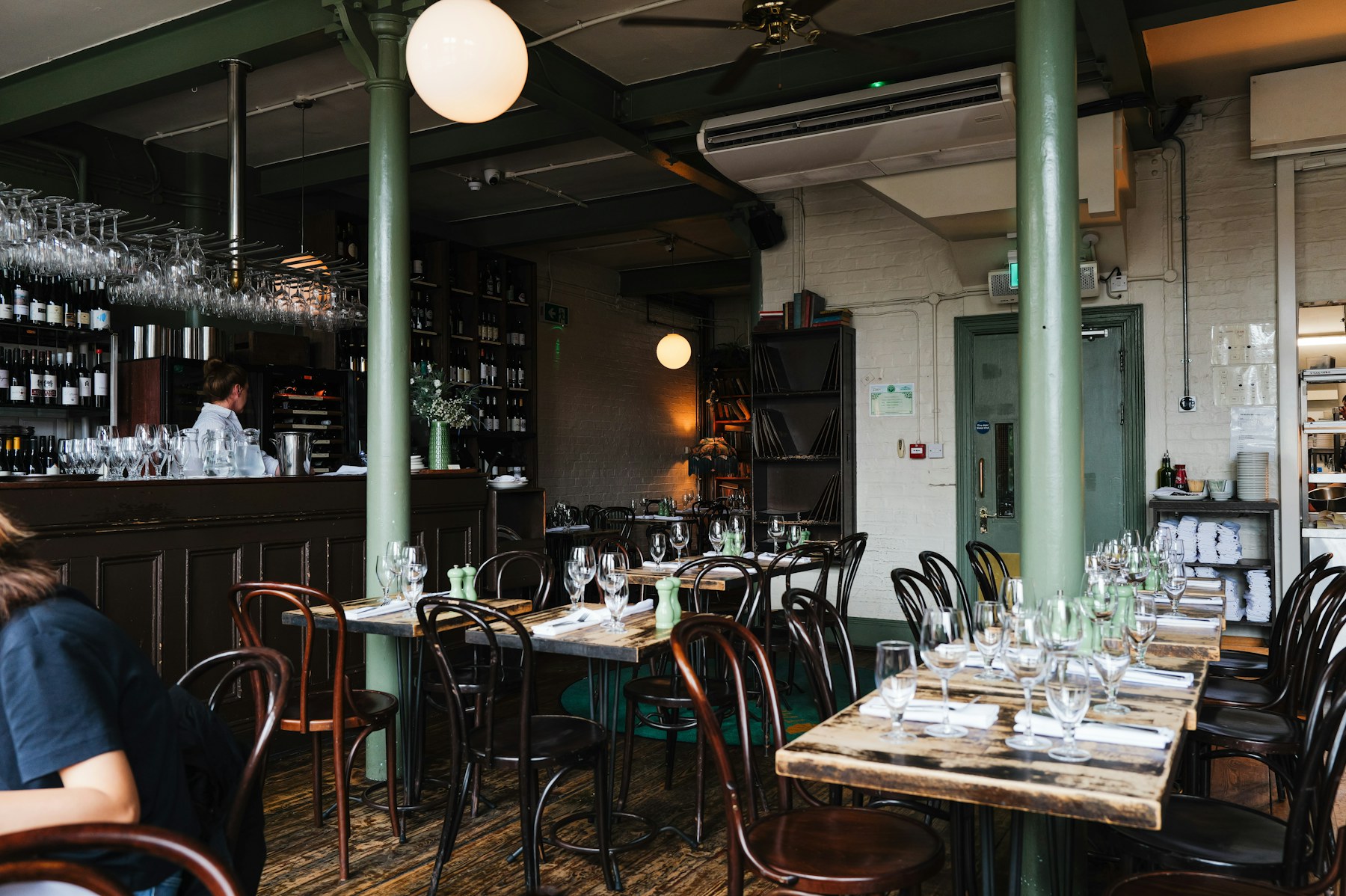
Columbia's restaurants cluster in three places, and which one a resident defaults to says a lot about where they live: Main Street, the Congaree Vista along Gervais, and Five Points with the Devine Street corridor running east from it.
Motor Supply Company Bistro, at 920 Gervais Street, has been the Vista's benchmark restaurant for decades, writing a new menu daily around what is available. Dinner nightly plus weekend lunch and Sunday brunch, and reservations are worth making.
Bourbon, at 1214 Main Street, splits into a Cajun kitchen and a separate cocktail lounge with an unusually deep whiskey list. Dinner only, closed Sundays, no reservations.
Hendrix, at 1649 Main Street, is the Main Street occasion restaurant, working through oysters, blue crab hush puppies, and steak. Dinner only, closed Sundays and Mondays.
Market On Main, at 1320 Main Street, is the downtown brunch and lunch standby, sitting directly on the Soda City route with a patio and a bar. Closed Mondays.
City Grit, at 707 Gervais Street, does Southern cooking across both lunch and dinner in the Vista and has built one of the strongest service reputations in the city.
Gervais and Vine, at 620 Gervais Street, is a tapas and wine bar with a long by-the-glass list, and the kitchen works without a freezer. Dinner only, closed Sundays and Mondays.
Publico, at 2013 Greene Street, covers tacos, bao, and margaritas in Five Points, open seven days with patio seating.
Backstreets Grill, at 2400 Devine Street, is the Shandon and Devine Street neighborhood restaurant, doing steaks, seafood, and a patio, open seven days.
Tupelo Honey, at 2138 Pickens Street, serves Southern breakfast and dinner near the university and opens at 8 every day, which fills a genuine gap downtown.
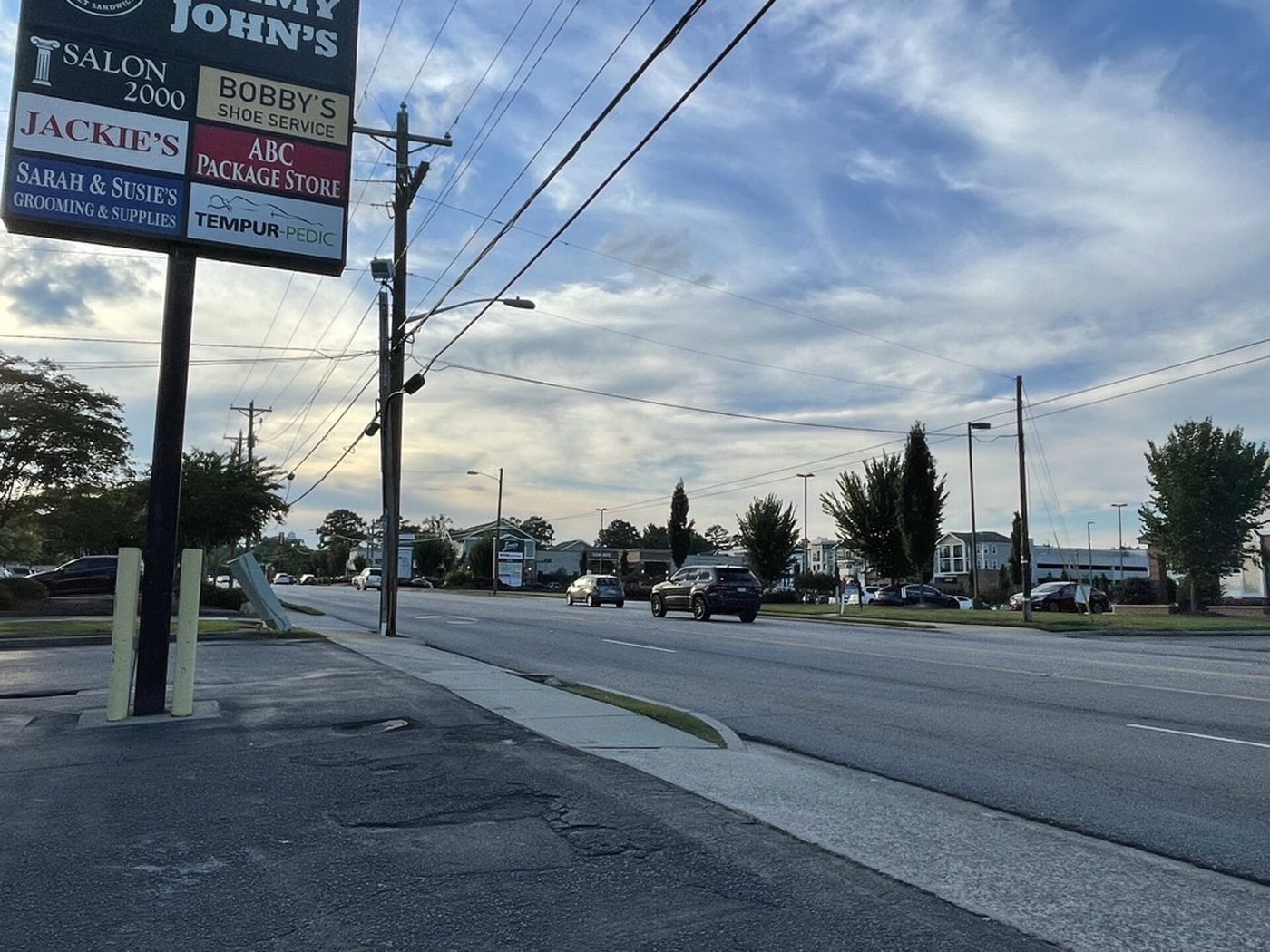
Main Street is the city's shopping and civic spine, and on Saturday mornings it is also the market. Soda City Market closes several blocks between roughly 1300 and 1700 Main from 9 to 1, one block from the State House, with produce, prepared food, and craft vendors filling the street. Outside market hours, Main Street mixes ground-floor retail, coffee, and restaurants beneath offices and apartments. The Congaree Vista along Gervais carries galleries, design and home shops, and independent retail in converted warehouse space rather than in a mall. Five Points holds a compact run of boutiques, record and vintage shops, and services around the junction. For everyday and big-format shopping, residents use Devine Street and Forest Drive to the east, Harbison Boulevard to the northwest near Irmo, and Garners Ferry Road to the southeast. Trenholm Plaza and the Forest Drive corridor cover Forest Acres.
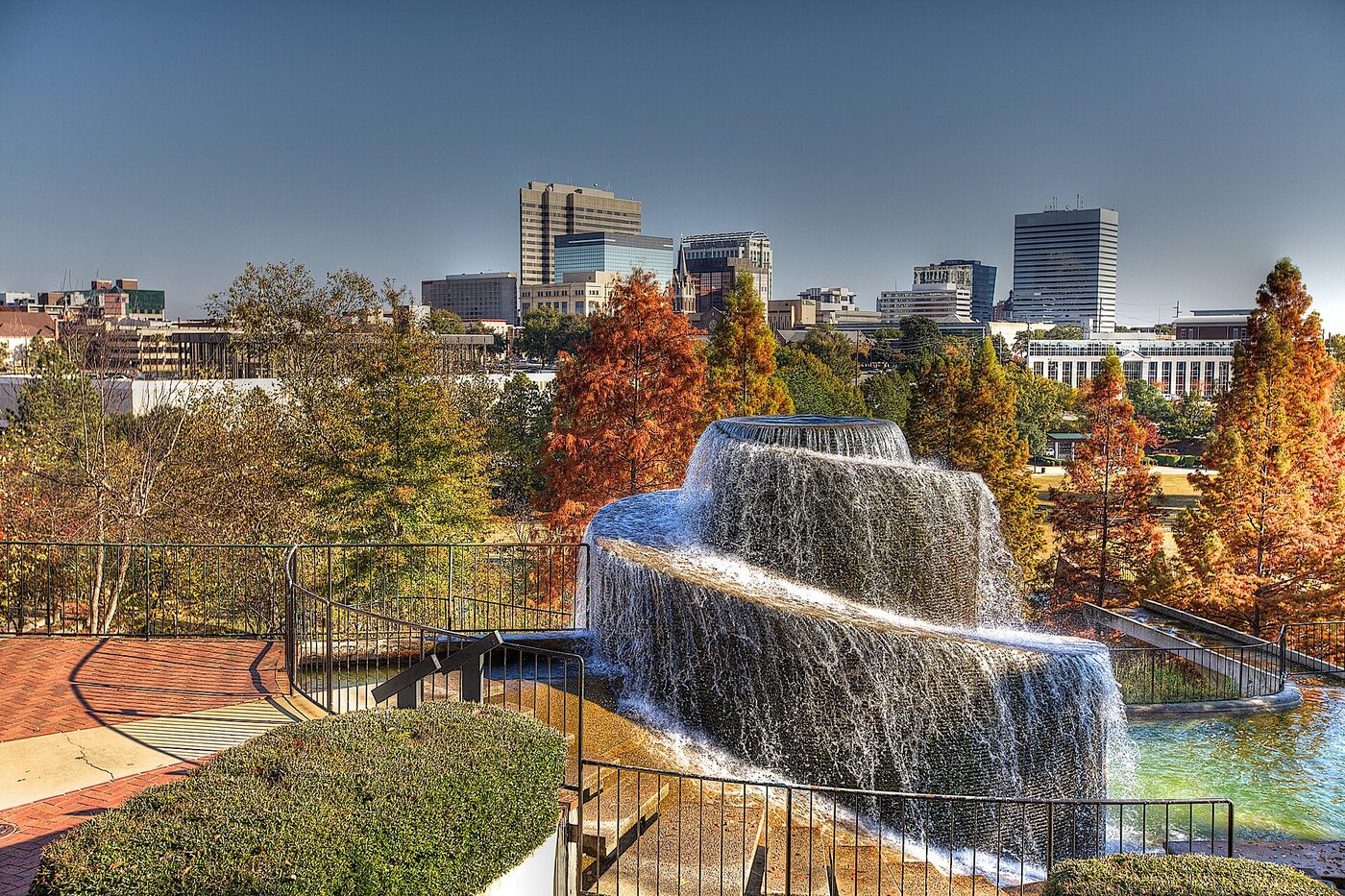
Columbia's outdoor life is organized around three rivers and one very large zoo. Riverbanks Zoo and Garden at 500 Wildlife Parkway spans both banks of the Saluda with a botanical garden across the river from the animal exhibits, and it is open daily. The West Columbia Riverwalk Park and Amphitheater at 109 Alexander Road runs paved and boardwalk trail along the Congaree with an amphitheater, restrooms, and dense tree cover, and it connects to further riverfront trail upstream. Inside the city, Martin Luther King Jr. Park serves Shandon and Five Points, Earlewood Park serves Cottontown and Elmwood Park, and Sesquicentennial State Park sits northeast off Two Notch Road with a lake, trails, and campsites.
The State House grounds sit at the head of Main Street and are open to walk. The BullStreet District northeast of downtown has turned the former state hospital campus into a mixed-use district that includes Segra Park, home of the Columbia Fireflies. University of South Carolina athletics draw crowds downtown through the fall and spring, and Congaree National Park, the largest remaining stand of old-growth bottomland hardwood forest in the Southeast, is about half an hour southeast with boardwalk trails and canoe access. Lake Murray is roughly twenty minutes northwest for boating and is covered on its own page.
Use the City of Columbia’s official Neighborhood Boundary Maps and City Information Finder to review recognized neighborhood boundaries and city-specific information for an exact address. Because boundaries and services can differ by property, verify the address rather than relying only on a neighborhood name.
School assignments are address-specific and may change. Enter the property address in the appropriate district’s official school-zone locator, such as Richland One, Richland Two, or Lexington-Richland Five, and confirm the result directly with the district before making a decision.
Columbia’s riverfront parks include the Saluda Riverwalk, Riverfront Park, Granby Park, and the Sanctuary at Boyd Island. Depending on the location, visitors can find paved trails, boardwalks, picnic areas, river access, and routes for walking, running, and cycling. Check City Parks and Recreation for current access information.
Search the address in the City of Columbia’s GIS tools, then confirm the zoning district, permitted use, and any applicable design, historic, or other overlay requirements with the City’s Zoning Division. Some projects and exterior alterations require zoning permits or additional approval.
Search the exact address through FEMA’s Flood Map Service Center and consult the City of Columbia’s Floodplain Management office for local requirements. If improvements are planned in a designated flood hazard area, ask the City about applicable permits and obtain property-specific guidance from qualified insurance and surveying professionals.

The Andy Bovender Team pairs deep Carolinas market knowledge with the reach of Compass. Expect straight answers, sharp preparation, and a process that stays simple, whether you are buying, selling, or both.