
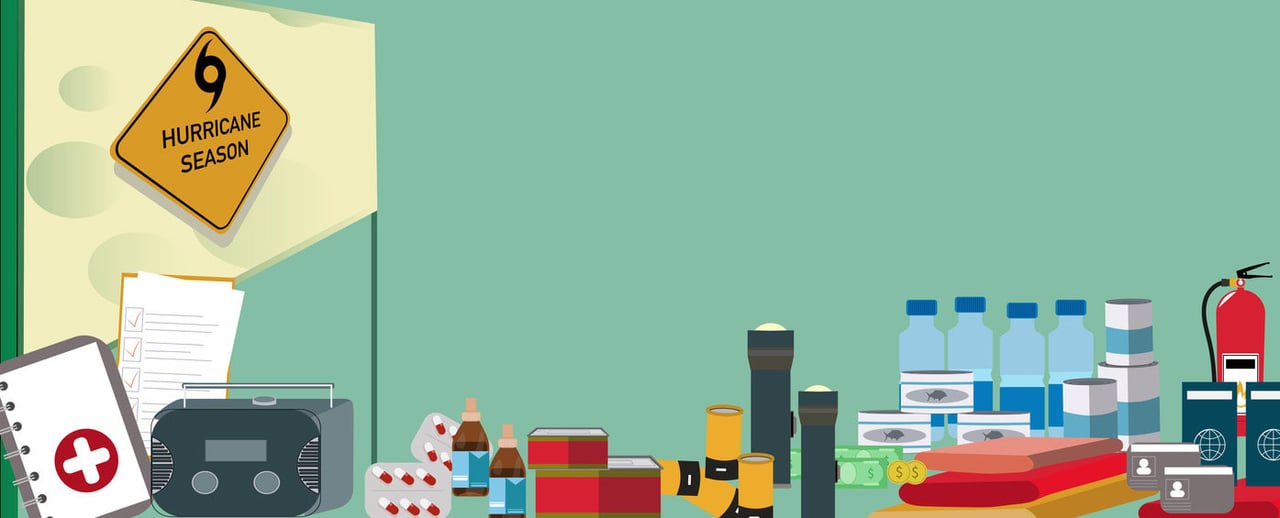
The Atlantic hurricane season starts June 1st and lasts until November 30th. During this time, the coastal region is more susceptible to tropical storms and hurricanes. The peak of the hurricane season in this area is usually between August and October.
It's important for residents and visitors in Charleston to stay informed about weather updates and pay attention to any advisories or warnings issued by the National Hurricane Center and local authorities. It's advisable to have a plan in place for potential hurricanes, including knowing evacuation routes, securing your property, and having emergency supplies on hand.
Keep track of weather updates and forecasts from reliable sources such as the National Hurricane Center (NHC) or your local meteorological agency. Sign up for emergency alerts and follow them closely.
Develop a family emergency plan that includes evacuation routes, meeting points, and communication methods. Make sure every family member knows what to do in case of a hurricane. Identify the nearest shelters and familiarize yourself with their locations.
Assemble a well-stocked emergency kit that includes essential supplies such as non-perishable food, water, medications, flashlights, batteries, a battery-powered radio, a first aid kit, cash, important documents (ID, insurance papers), and manual can opener. Aim to have supplies that can last for at least 72 hours.
Make digital copies of important documents and store them in a secure, waterproof location or in cloud storage. Consider using a waterproof and fireproof safe for physical documents.
Ensure your home, property, and belongings are adequately covered by insurance. Review your policy and understand what it covers, including flood insurance, as regular homeowner's insurance typically does not cover flood damage.
Secure or bring inside any outdoor furniture, decorations, or other items that could become projectiles in high winds. These objects can cause damage to your property or others during a hurricane.
Keep your vehicles fueled and in good condition. Have an emergency supply of fuel in approved containers. Be aware of evacuation zones and emergency shelters, which you can learn about here, and plan for alternative transportation options if necessary. If you live in a coastal area or in a zone prone to storm surges, familiarize yourself with evacuation orders and have a plan in place for leaving the area promptly if necessary. Determine multiple evacuation routes and destinations in case one becomes impassable.
Have a backup power source, such as a generator or portable battery pack, to keep your phones and communication devices charged. Consider purchasing a NOAA Weather Radio to receive updates in case of power outages.
Preparing for hurricane season involves taking several steps to ensure you have the right insurance coverage. Here are some guidelines to help you prepare:
Charleston has experienced significant hurricanes in the past, such as Hurricane Hugo in 1989 and Hurricane Matthew in 2016. These storms caused substantial damage and serve as a reminder of the importance of preparedness and safety during hurricane season.
For the most accurate and up-to-date information regarding the current hurricane season in Charleston, it's recommended to consult local weather forecasts and official sources such as the National Hurricane Center or the Charleston County Emergency Management Department.

The Andy Bovender Team pairs deep Carolinas market knowledge with the reach of Compass. Expect straight answers, sharp preparation, and a process that stays simple, whether you are buying, selling, or both.