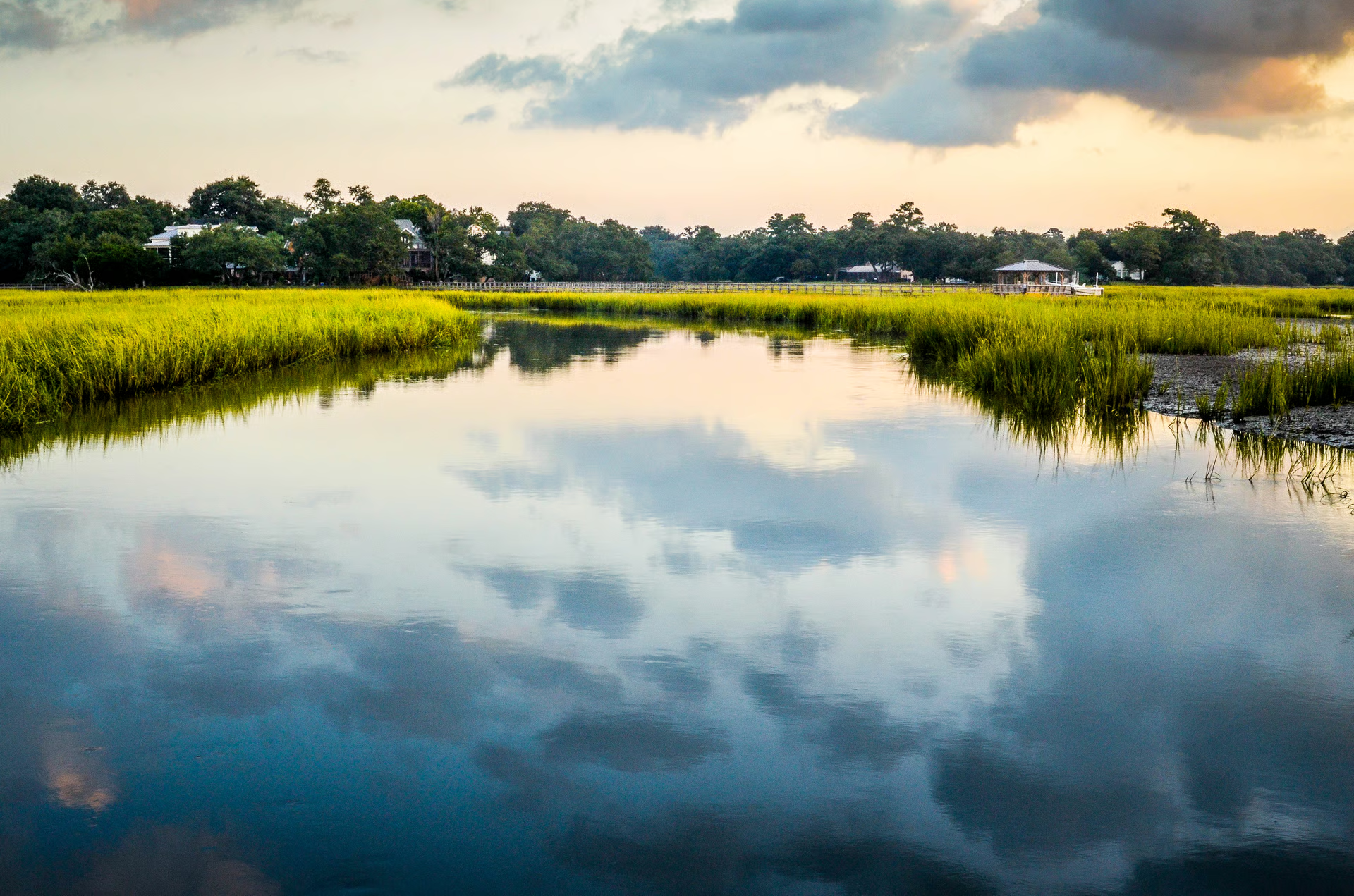
Wadmalaw Island offers a rural Charleston County island characterized by farms, wooded roads, wetlands, and tidal waterways.
Discover Local CommunitiesThe island is unincorporated and has no single Census boundary. Here, housing is low-density and includes rural homes, acreage, farms, and waterfront properties.
Daily life is car-dependent and can involve wells, septic systems, flood considerations, and longer trips for groceries or services.
Conditions can vary by street, development, and jurisdiction, so property-level due diligence remains important.
Community green space, paddling, fishing, agriculture, and nature observation define recreation. CCSD assignments and transportation must be confirmed by address.
School note: Attendance zones, program eligibility, and transportation can change. Confirm every assignment with the district using the full property address before making a housing decision.
Farm stands and a small number of destination businesses contribute to the local economy; most routine shopping occurs on Johns Island or farther inland.
Wadmalaw Island sits west of Johns Island, about eighteen miles from downtown Charleston, and it is the most agricultural of the Charleston sea islands. There are no bridges to a beach, no commercial strip, and no subdivisions of the kind that have reshaped Johns Island next door. What there is instead is farmland, live oak, tidal creek frontage on Bohicket Creek and Wadmalaw Sound, and conservation land. The range of Wadmalaw Island homes for sale runs from modest houses in the $300,000s to waterfront estates above $2 million, and a substantial share of what trades is not a house at all but a parcel to build on.
That is the practical distinction. One local brokerage describes three to ten acre tracts available from around $300,000 and half-acre parcels from as little as $50,000, and current listings on the island are heavily weighted toward land: three-acre lots on Bears Bluff Road, four-acre parcels subdivided into three separate lots, marshfront sites on Wadmalaw Sound, and homesites in gated communities with survey and septic permit already in hand. A buyer coming to Wadmalaw is often making a build decision rather than a purchase decision, and that changes the diligence entirely.
Published figures reflect a small, land-heavy market and should be read with care. One aggregator gave a March 2026 median list price of about $1.77 million, down roughly 22 percent year over year, at about $509 per square foot, down about 25 percent, with 106 days on market. Zillow's home value index for the island sat near $663,400. A median list of $1.77 million against a value index of $663,400 is not a contradiction so much as a description of a market where a handful of large waterfront estates are listed at any moment alongside modest houses and bare land, and where a list price is not a sale price.
The Andy Bovender Team serves Wadmalaw Island from a Compass office at 708 South Shelmore Boulevard in Mount Pleasant, on the far side of Charleston, alongside offices in Charlotte, Columbia, Wilmington, Fort Mill, Greenville, Lake Murray, and the Outer Banks. Two things follow, and both are unusual for a Charleston market. First, on a rural island where much of the inventory is land, the questions are about the parcel rather than the building: well and septic, road access and maintenance, survey and easement currency, wetland designation, and what any conservation easement on or adjoining the land permits. Second, on a market this thin, comparables are scarce and pricing depends on judgement rather than data.
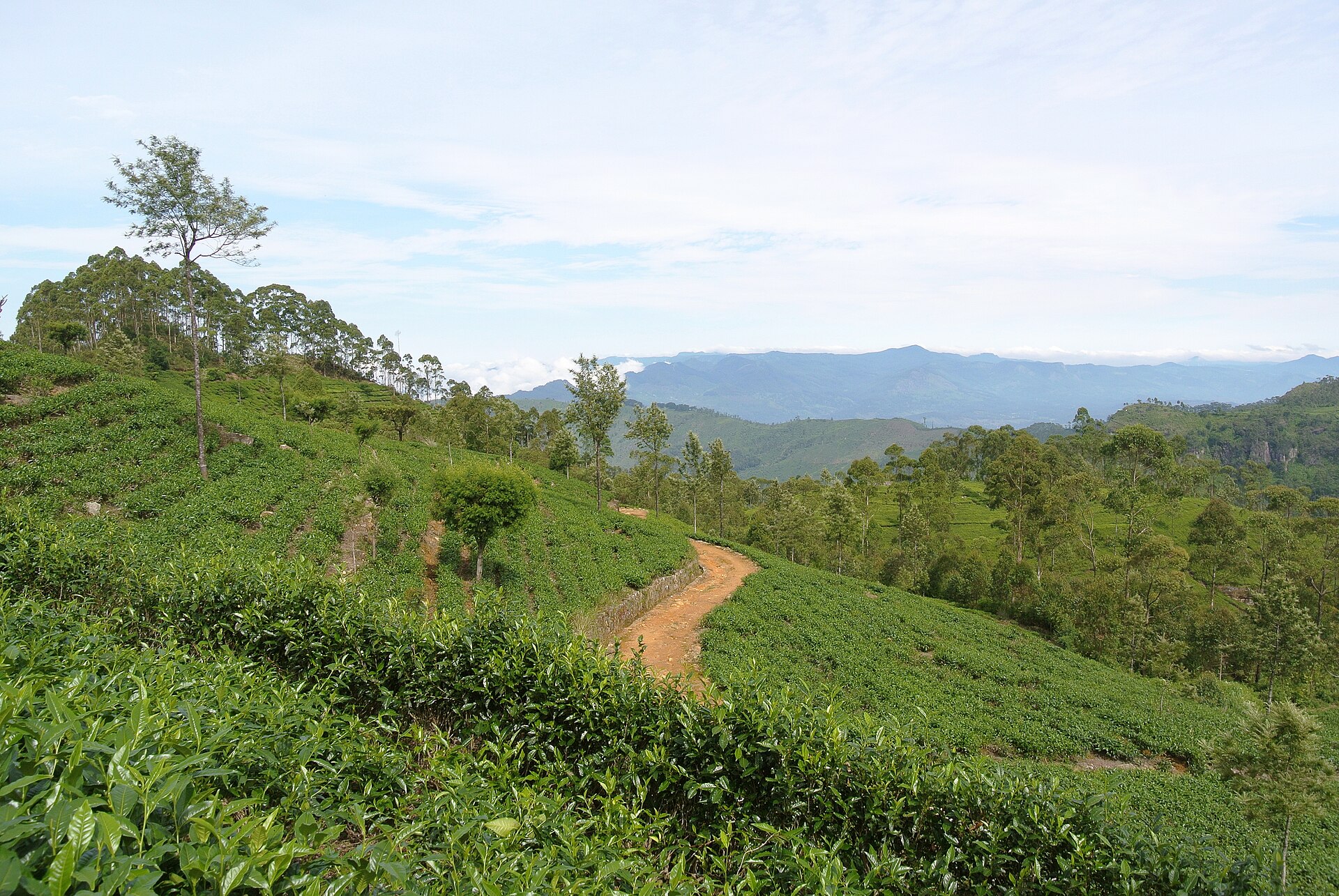
The Only Tea Garden in the Country
The Charleston Tea Garden at 6617 Maybank Highway grows and processes tea on the island, with a trolley tour, a factory tour, and free tastings. It holds a 4.7 rating across more than 2,300 reviews and it is the island's best-known landmark.
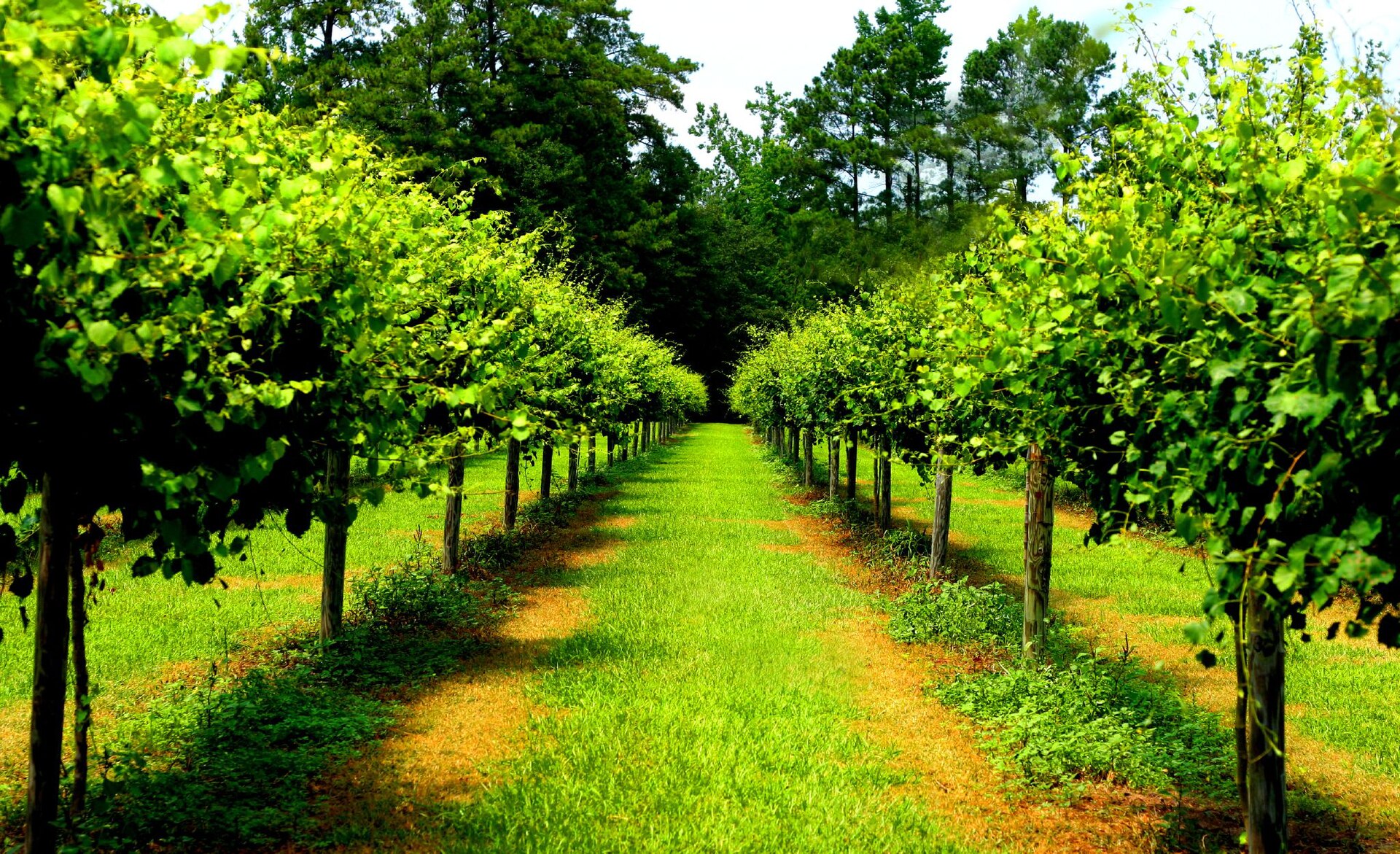
A Vineyard That Makes Muscadine and Mead
Deep Water Vineyard at 6775 Bears Bluff Road pours local muscadine wines and mead in a tasting room with outdoor seating, farm animals, and live music, and it runs an oyster festival. It is one of very few working vineyards in the Lowcountry.
Land You Can Actually Buy
Three to ten acre tracts have been available from around $300,000 and smaller parcels from considerably less, which is not true of anywhere else this close to Charleston. If the plan is to build rather than to buy, this is the island where that is still possible.
Deep Water on Bohicket Creek
The island carries deep water frontage on Bohicket Creek and marsh frontage on Wadmalaw Sound, supporting private docks and boat lifts on acreage rather than on subdivision lots. Waterfront here comes with land attached.
Conservation Land Around You
A substantial amount of Wadmalaw sits under protection, and some properties are surrounded by hundreds of acres that cannot be developed. On an island eighteen miles from a growing city, that permanence is worth more than it appears.
Eighteen Miles From Downtown Charleston
Wadmalaw feels remote and is not, sitting about eighteen miles from the peninsula with Johns Island's restaurants and services between the two. The island is rural by choice rather than by distance.
Wadmalaw divides by what a parcel is rather than where it sits: land, water frontage, gated community, or existing house. Four groupings cover the island.
Land and Buildable Acreage
A substantial share of what trades on Wadmalaw is land rather than housing, from half-acre parcels to tracts of ten acres and more, and this is the island's distinctive product. Buying land here is a different exercise from buying a house and the questions are entirely different. Establish whether the parcel percolates and what septic permit it can obtain, since some listings advertise a survey and septic permit already in hand precisely because that is the hurdle. Establish whether public water reaches it or whether a well is required. Establish who maintains the access road. And establish what wetland designation applies, because on a low sea island that determines not just whether you can build but where on the parcel you can build.
Creek and Marsh Frontage
Wadmalaw's water frontage runs to Bohicket Creek on one side and Wadmalaw Sound and the surrounding marsh elsewhere, and waterfront here generally comes attached to acreage rather than to a subdivision lot. Deep water positions with private docks and boat lifts exist on the Bohicket side and command the top of the island's market. Establish dock permit status where one exists and what would be permitted where one does not, since an application in process is not an approval. Establish water depth at varying tides, since a creek that floats a boat at high water may not at low. And on marsh frontage, establish what the view is protected from.
The Gated Communities
Wadmalaw holds a small number of gated communities, with Polly Point and Anchorage Plantation appearing in current listings, and these offer a more conventional purchase than the island's open land: defined boundaries, association arrangements, and in some cases utilities and road maintenance already resolved. For a buyer who wants Wadmalaw's setting without taking on every rural question alone, this is the position. Read the association documents, establish what the fee covers and whether roads and any shared docks are included, and confirm what the covenants permit on a lot, because a community that exists to protect a rural character will constrain what can be built on it.
Existing Houses and the Maybank Corridor
Maybank Highway runs onto the island from Johns Island and carries what limited development Wadmalaw has, including the tea garden, and the existing housing stock is spread along it and the island's other roads. Product ranges from modest older houses on wooded lots to substantial estates on multi-acre parcels, and condition and era vary enormously. This is the accessible end of the island for a buyer who wants to move in rather than build. The same rural questions apply as to land: well and septic, road maintenance, and survey currency, and they apply to a modest house as much as to an estate.
Property Types Across Wadmalaw Island
Four categories cover the island and one of them is not a building. Land and buildable acreage is the island's distinctive product and a substantial share of the market. Creek and marsh-front property, generally with acreage attached, is the top of the market. Gated community lots and houses offer a more conventional purchase. Existing houses along the island's roads are the accessible entry. Across all four, six questions decide value and five of them are about the parcel rather than the structure: septic capability and permit status, water supply, road access and maintenance responsibility, survey and easement currency, wetland designation and what it permits, and any conservation easement on or adjoining the land.
Wadmalaw has no commercial strip of the kind a village would carry, and its sparse development owes much to zoning: agricultural preservation covers much of the island, generally limiting density to one home per fifteen acres, alongside agricultural residential and rural commercial districts. That protects the working landscape, but it does not mean every business is prohibited; what can open depends on the specific parcel's zoning and approved use. What it has instead are two working agricultural destinations that also serve visitors.
Charleston Tea Garden, at 6617 Maybank Highway, grows and processes tea on the island, with a gift shop, free hot and iced tastings, a trolley tour of the fields and greenhouse, and a factory tour. Open seven days, 10 to 4 most days and from midday on Sundays.
Deep Water Vineyard, at 6775 Bears Bluff Road, pours muscadine wines and mead in a tasting room with outdoor seating, farm animals, live music, and an oyster festival in season. Closed Mondays and Sundays, and seating is largely outdoors.
For everyday shopping and restaurants, Johns Island sits immediately east with its Maybank Highway corridor, its grocery stores, and its restaurant row, covered on its own page. West Ashley is about thirty minutes northeast and downtown Charleston about eighteen miles, both covered on their own pages. Buyers should understand plainly that Wadmalaw has no grocery store and that every errand involves leaving the island.
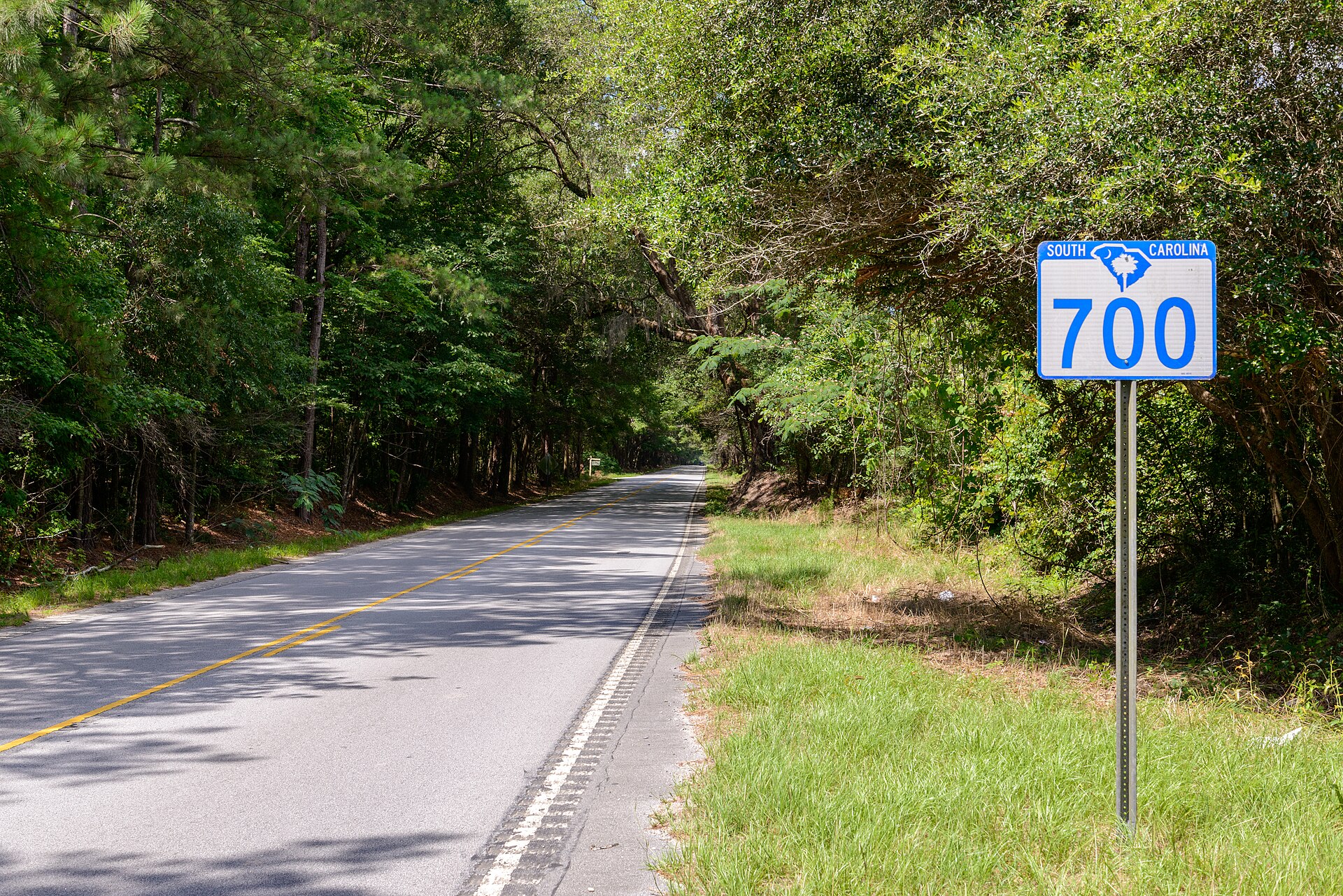
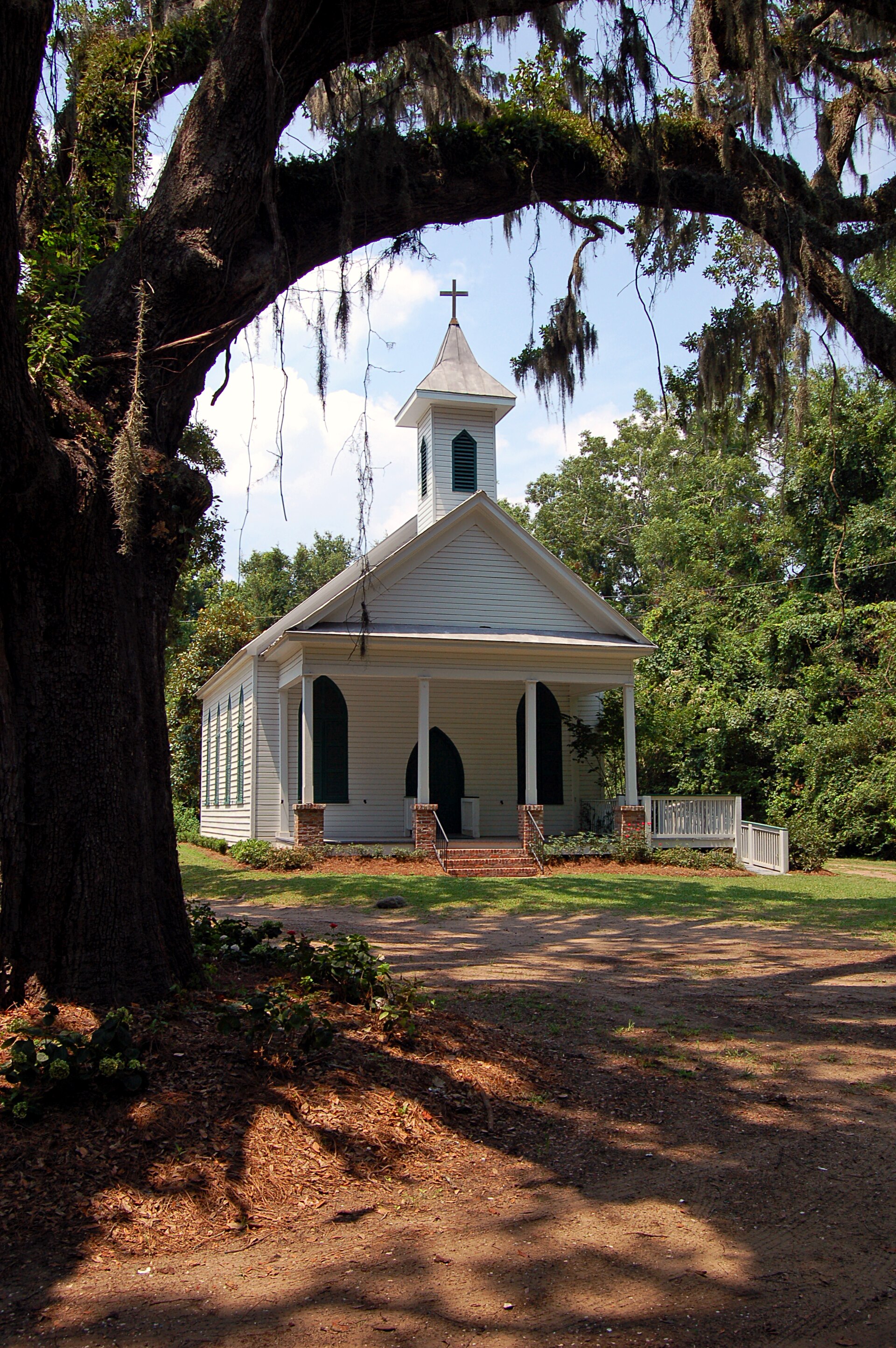
Wadmalaw's recreation is its land and its water, which is the honest description of a working agricultural island. The tea garden and the vineyard are both genuine farms that happen to receive visitors, and the island's other agricultural land is working rather than ornamental, so roadside produce and seasonal harvests are part of the rhythm here. On the water, Bohicket Creek and Wadmalaw Sound support boating, kayaking, crabbing, and fishing, with deep water access from private docks and creek landings. The island's roads under live oak canopy are quiet enough that cycling and walking are practical in a way they are not on Johns Island next door.
Beyond the island, everything is a short drive east. Johns Island is immediately adjacent with the Angel Oak, its restaurant row along Maybank Highway, and its own farms, covered on its own page. Kiawah and Seabrook islands sit south along Bohicket Road with their beaches, both covered on their own pages, and Freshfields Village between them carries a grocery and shops. Downtown Charleston is about eighteen miles northeast for everything the region offers, covered across several pages on this site. The practical summary is that Wadmalaw is a working agricultural island that has stayed one, and buyers who want that tend to know it before they arrive.
Wadmalaw Island is known as the most rural and unspoiled of Charleston's sea islands, south of Johns Island. It is recognized for an agricultural way of life, home to the Charleston Tea Garden, the only working tea farm in the country, along with Deep Water Vineyard, the Firefly distillery origins, and the historic fishing hamlet of Rockville. There are no stoplights or chain stores.
Living on Wadmalaw Island means large lots, deep privacy, and a slow rural pace within reach of the city. Residents fish, crab, boat, and garden, with no commercial strip on the island itself. Shopping and dining are about 10 minutes north on Johns Island, and downtown Charleston is roughly 30 to 40 minutes away. There is no ocean beach.
Homes on Wadmalaw Island carry a median around $1.1 million to $1.4 million, though the small market swings widely. Smaller homes, fixer-uppers, and manufactured homes start in the high $300,000s, while large-acreage and waterfront estates run well into the millions. Per-acre prices are generally lower than other parts of Charleston County.
Wadmalaw Island offers single-family homes on large parcels, since new construction requires a minimum lot of three acres and there are no condos or townhomes. Buyers find historic cottages, modern farmhouses, and elevated coastal homes, plus 7 to 20 acre estates with stables and docks in communities like Longcreek and Polly Point. Fixer-uppers and mobile homes anchor the low end.
Wadmalaw Island sits in Charleston County south of Johns Island, bordered by the Bohicket and North Edisto rivers. It is reached by a bridge from Johns Island, with no direct route from the city, so most trips run through Johns Island. Downtown Charleston is about 30 to 40 minutes away, and Edith Frierson Elementary serves the island.

The Andy Bovender Team pairs deep Carolinas market knowledge with the reach of Compass. Expect straight answers, sharp preparation, and a process that stays simple, whether you are buying, selling, or both.