Taylors offers a large unincorporated Greenville County community with established neighborhoods, suburban corridors, and adaptive reuse around Taylors Mill.
Discover Local CommunitiesThe CDP lies between Greenville and Greer along the Wade Hampton Boulevard area. Here, housing includes older subdivisions, traditional homes, apartments, townhomes, and newer construction.
Most errands and commutes are car-based, although neighborhood streets and selected community destinations support walking and biking.
Conditions can vary by street, development, and jurisdiction, so property-level due diligence remains important.
County recreation facilities, local community events, and nearby mountain access broaden leisure options. School zones vary across Taylors and require an address.
School note: Attendance zones, program eligibility, and transportation can change. Confirm every assignment with the district using the full property address before making a housing decision.
Wade Hampton Boulevard and nearby centers provide groceries, restaurants, services, and regional retail.
Taylors sits about seven miles northeast of downtown Greenville, on the Eastside between the city and Greer, and it is one of the Upstate's largest and most established unincorporated communities. The range of Taylors homes for sale runs from smaller houses in the $180,000s to newer construction above $450,000. It is not a town in the municipal sense, which is part of why it is less discussed than its size warrants, and it holds a mixture of long-established neighborhoods, a converted textile mill that has become a genuine destination, and newer development on its edges.
Taylors is the sharpest illustration of a pattern running through the whole Greenville market. Across all seven Greenville submarkets with reliable volume, price per square foot has risen faster or fallen slower than the median, without exception, and analysis of the region describes Taylors as making that point most starkly. Redfin recorded an average house price of about $270,000, down 24.4 percent year over year, with a Compete Score of 51. A fall of that size in an average, in a region where per-foot rates are holding up, is a composition story: what sold was materially smaller or more modest than what sold a year earlier, not a market that lost a quarter of its value.
A buyer should read that as opportunity rather than alarm, and a seller should read it as a warning against pricing from a portal average. Other measures place Taylors around $293,950 on a listing basis, which sits it below Greer and Simpsonville and above Duncan on the Upstate ladder. For a household that wants an established Greenville-adjacent address at the lower end of the county's range, Taylors is the most under-discussed option in the Upstate, and the size of the community means there is genuine choice within it.
The Andy Bovender Team serves Taylors from a Compass office in Greenville, alongside offices in Charlotte, Charleston, Columbia, Wilmington, Fort Mill, Lake Murray, and the Outer Banks. Two things follow. First, because Taylors is unincorporated, it has no city limits, and its boundaries as commonly understood do not correspond to any municipal line; establish what a specific address is actually in and which services apply. Second, in a community this established and this varied, condition and era differ enormously between neighborhoods that look similar on a portal, and comparables need to come from the same streets rather than the same ZIP code.
Seven Miles From Downtown Greenville
Taylors sits on the Eastside about seven miles from Greenville's Main Street, close enough to use the city regularly while paying well below its prices. Few Greenville-adjacent addresses are this close at this level.
A Textile Mill Turned Destination
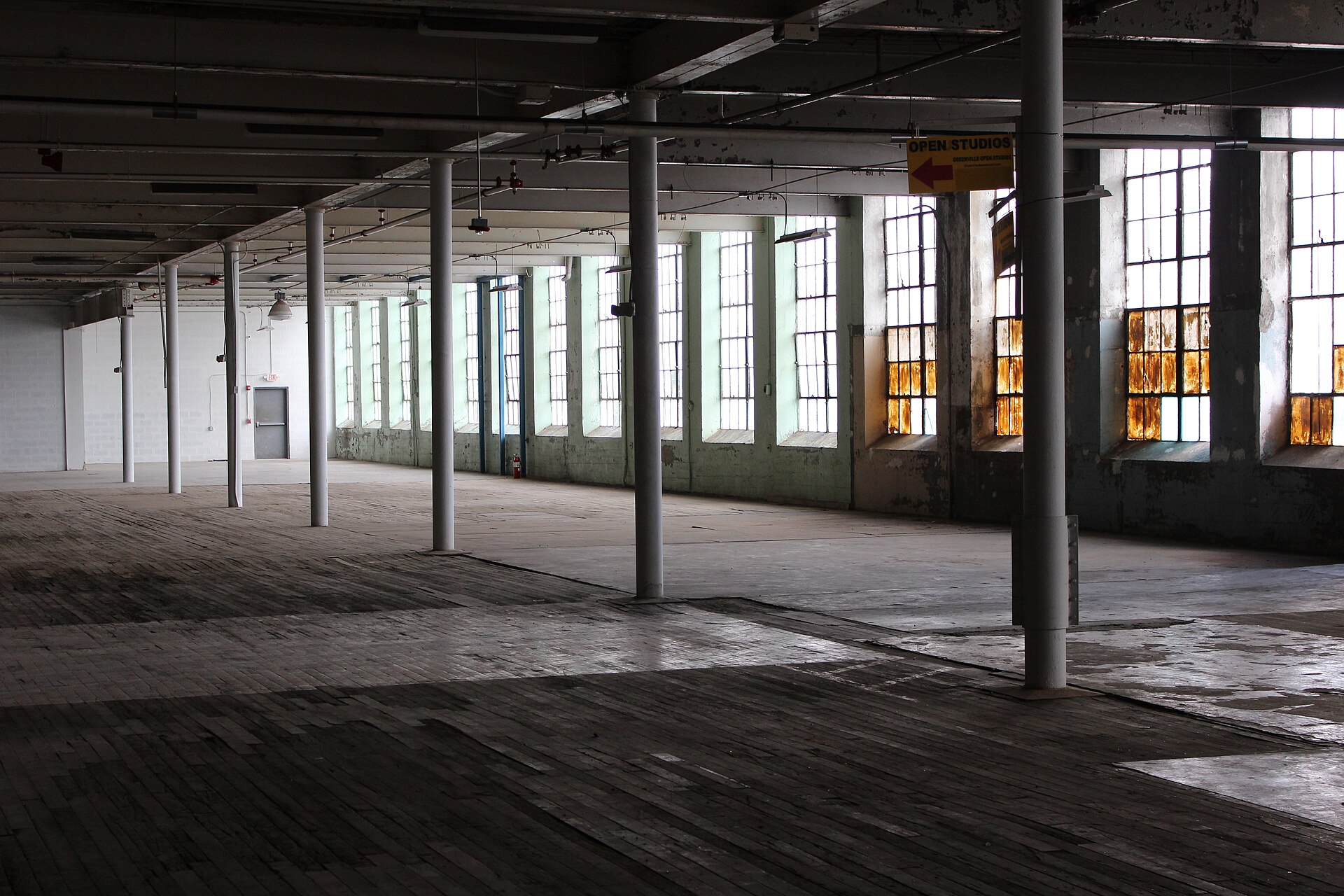
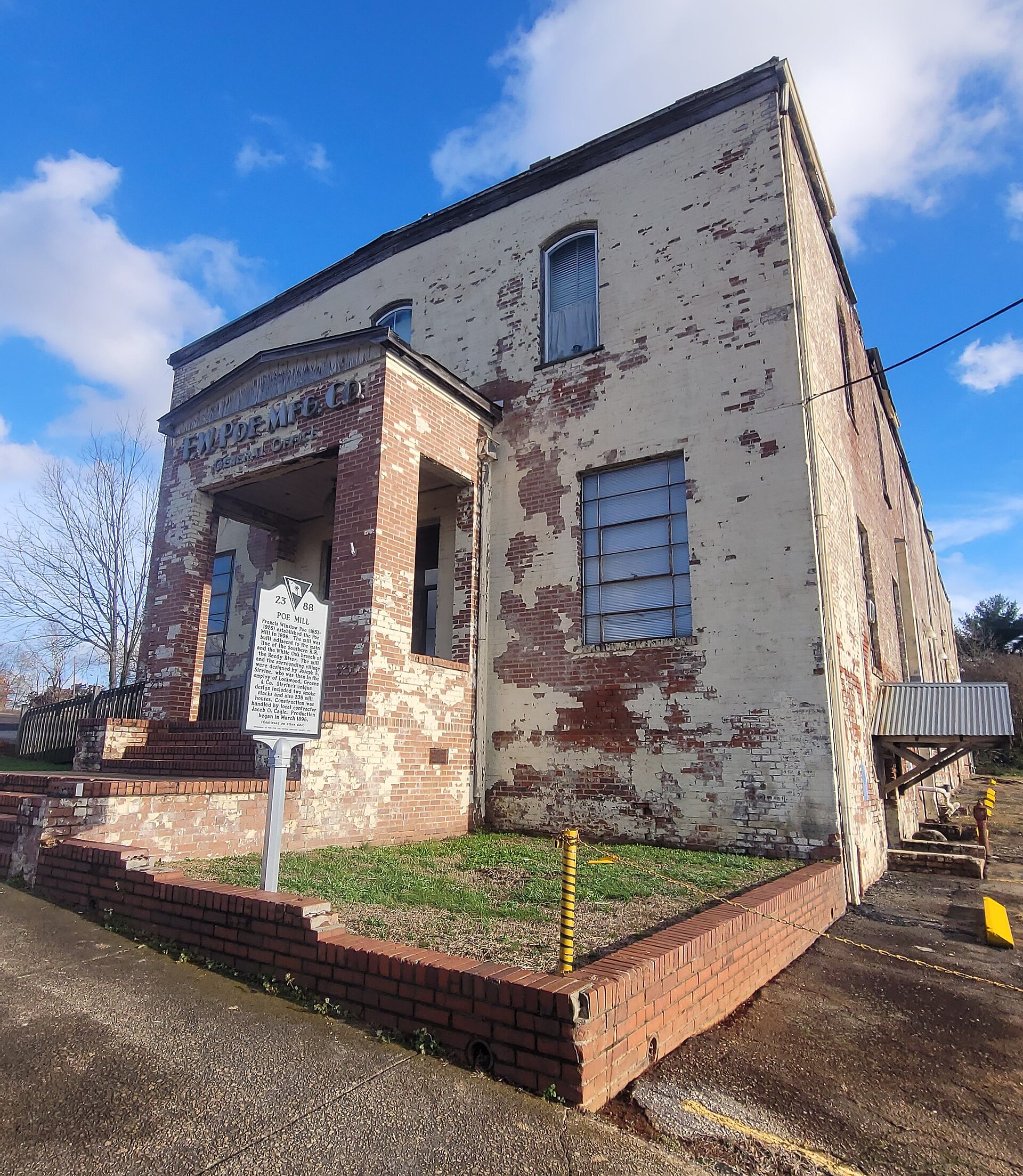
Taylors Mill is a converted textile mill now holding the Farehouse restaurant alongside studios and businesses, and it has become a genuine destination rather than a local amenity. The Farehouse alone carries more than 1,300 reviews.
Paris Mountain State Park Nearby
Paris Mountain State Park sits close to Taylors with trails, a lake, and mountain terrain inside the county, which puts genuine hiking minutes from a suburban address rather than an hour away.
Real Value on the Eastside
Taylors trades below Greer and Simpsonville while sitting closer to Greenville than either, which makes it arguably the best value position in the county. Its lower profile is a large part of why.
A Wade Hampton Restaurant Run
Wade Hampton Boulevard carries Pita Grille, El Matador, and Stack and Smash Burgers, two of them above 4.7 and one with over a thousand reviews. For a corridor most people drive through, the food is better than expected.
Established Neighborhoods, Not New Ones
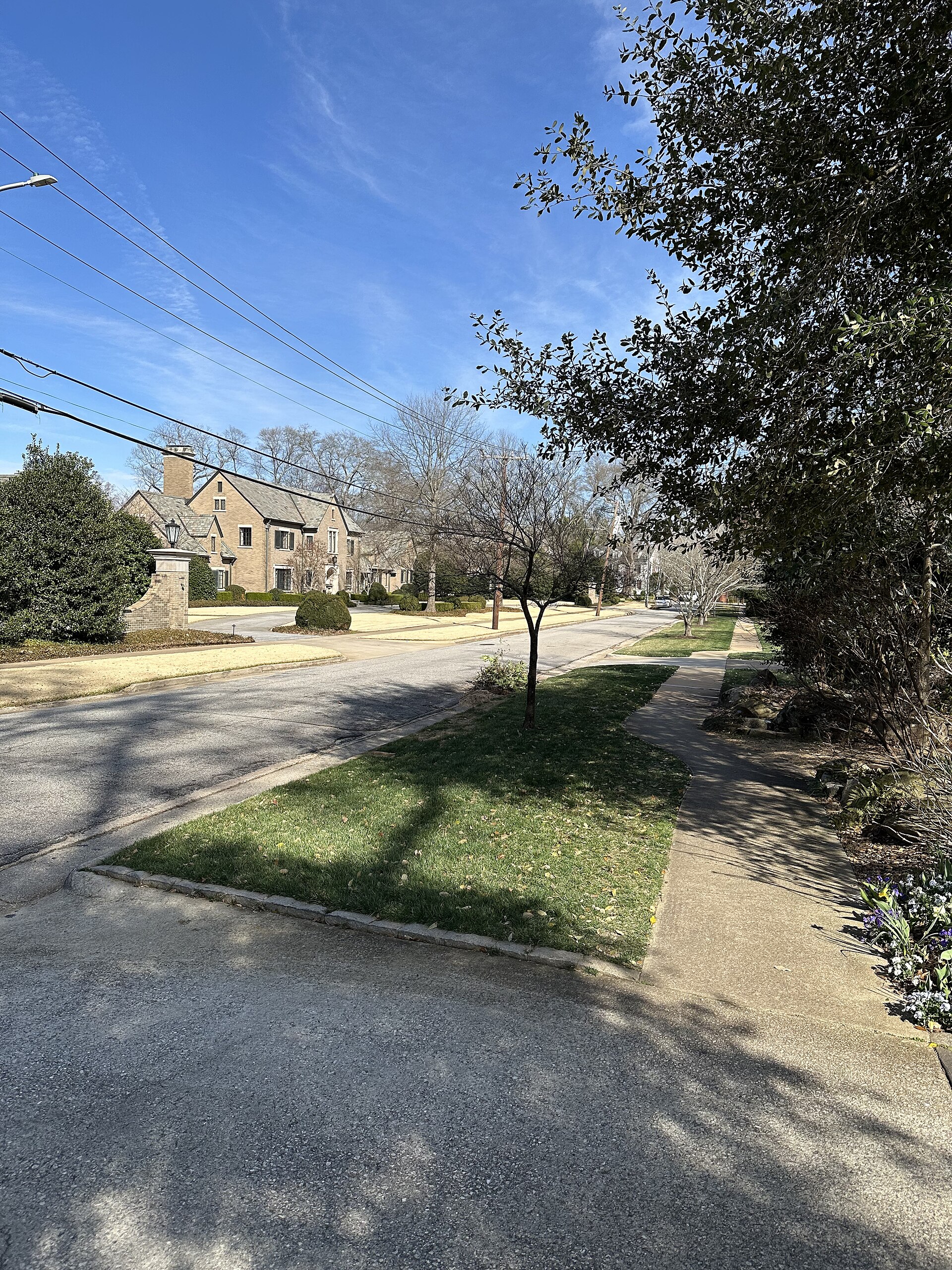
Taylors built out over decades, which means settled streets, grown trees, and finished neighborhoods rather than construction. Buyers get a community that already exists at prices below the newer suburbs.
Taylors is large, unincorporated, and built out over decades, so what varies is era and position rather than any municipal division. Four groupings cover it.
The Established Neighborhoods
The bulk of Taylors is conventional detached housing built across several decades, on standard lots with mature landscaping and settled streets, much of it without homeowners associations. This is where the community's most accessible pricing sits and where most buyers land, and it is also where condition varies most, because housing of this age has had decades of different owners making different decisions. Budget for the maintenance profile accordingly, particularly roofs, HVAC, and original plumbing and electrical, and compare within a neighborhood rather than across Taylors, since the community is large enough that an area-wide figure is not a useful benchmark.
The Taylors Mill Area
Around the converted textile mill, Taylors has its closest thing to a center, with the mill complex itself as the anchor and older housing on the surrounding streets. This is the most distinctive position in the community and the one that gives it an identity beyond the corridor. Product runs to older houses, some of them mill-era, with renovation activity through them. The diligence is the usual older-housing set, with one addition worth taking seriously in a former mill village: establish the age and condition of the housing stock carefully, since properties built to house mill workers were built to a different standard and era than suburban housing, and establish what any renovation actually did.
The Wade Hampton Corridor
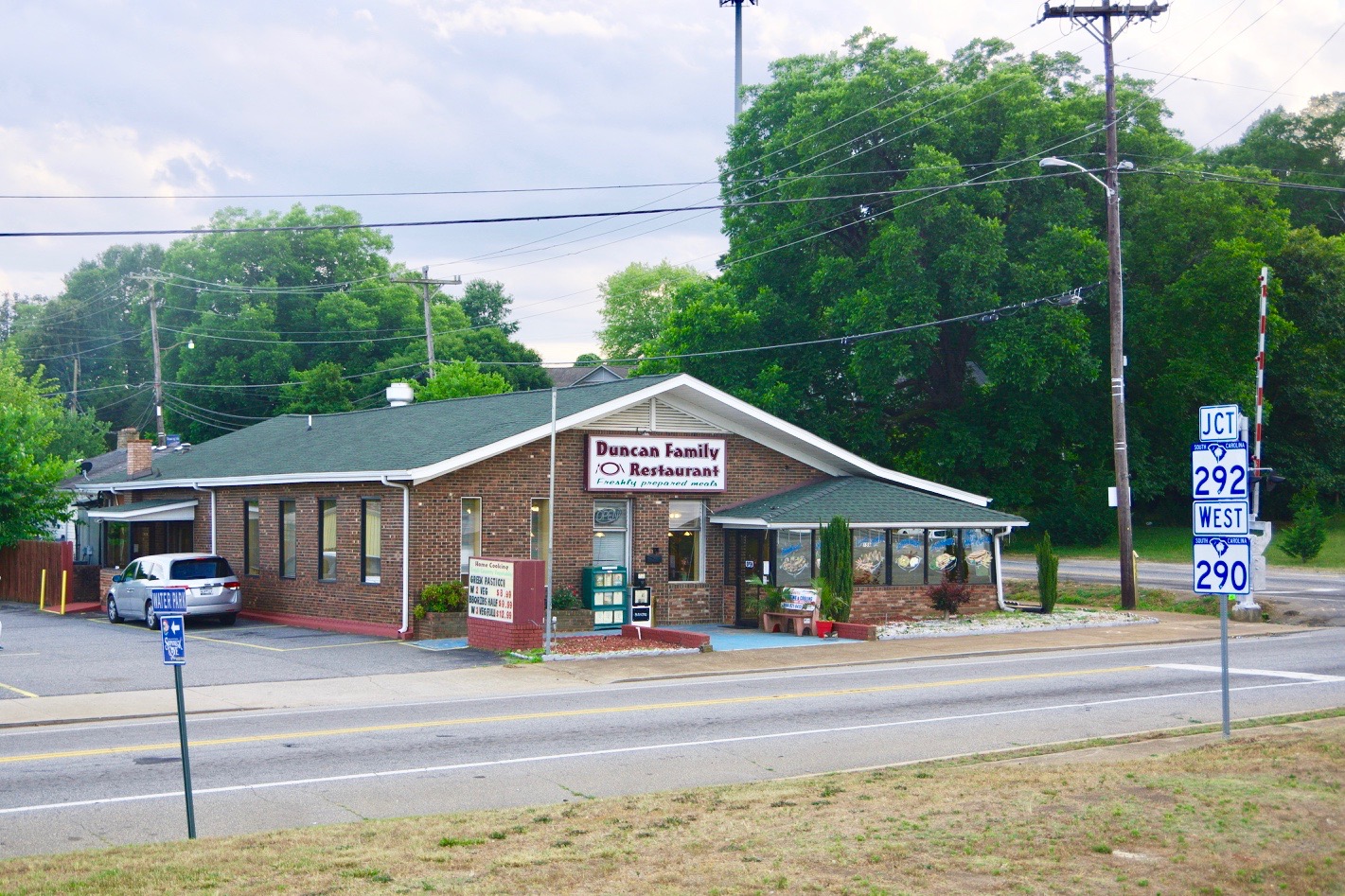
Wade Hampton Boulevard runs through Taylors carrying its commercial development, restaurants, and services, with residential streets on both sides. Housing on and near the corridor is the most accessible in the community and offers the shortest errand runs, and it is where attached product tends to sit. What a buyer accepts is arterial traffic on a road that carries a substantial share of the Eastside's movement, which varies considerably with lot depth and tree cover. Walk a prospective street at a weekday evening peak before deciding, because the difference between a street a block off the corridor and one facing it is larger than the map suggests.
The Newer Development and Northern Edges
Toward the community's edges, particularly north and toward Greer, Taylors has added newer subdivision housing with homeowners associations and sometimes amenity packages. This is where buyers who want current mechanicals and layouts rather than a house to work on find the most choice, generally at prices above the established neighborhoods but still below Greer or Simpsonville. Read the association documents, ask what remains to be built on adjacent parcels, and confirm what jurisdiction the address falls under, because unincorporated Taylors runs up against Greer's city limits and the boundary is not signposted.
Property Types Across Taylors
Four categories cover the community. Established detached houses across the older neighborhoods are the volume of the market and where condition varies most. Mill-area housing near Taylors Mill is the character stock and the most distinctive position. Corridor housing and attached product along Wade Hampton is the entry point and the shortest for errands. Newer subdivision housing on the edges is the most current inventory. Across all four, four questions decide value: the condition and systems age of housing that may be fifty years old or more, whether the address sits in unincorporated county or inside a municipal boundary, what any association covers where there is one, and on mill-area property, the build era and what any renovation actually did.
Taylors eats in two places: the converted mill, and along Wade Hampton Boulevard.
The Farehouse, at 250 Mill Street inside Taylors Mill, is the community's destination room, working trout, smoked chicken wings, wood-fired pizza, and catfish and grits in a converted mill space with a full bar. Closed Mondays, and it takes reservations.
Pita Grille, at 3217 Wade Hampton Boulevard, is the Mediterranean room and one of the highest-rated on the corridor, doing mixed grills, shawarma, hummus, and baba ganoush with fresh bread. Open seven days, later at the end of the week.
Stack and Smash Burgers, at 2801 Wade Hampton Boulevard, holds the strongest rating in the community, doing smash burgers with pork belly jam and pimento cheese, steak and cheese, and onion rings. Closed Mondays.
El Matador, at 2919 Wade Hampton Boulevard, is the long-standing Mexican room, doing chile relleno, chimichangas, and coconut shrimp tacos. Closed Mondays and Sundays, dinner only.
Taylors is comprehensively served for daily life, which is one of the advantages of an established community of this size. Wade Hampton Boulevard carries the grocery stores, pharmacies, big-format retail, restaurants, medical offices, and services along its length, and further commercial sits at the main intersections and toward Greer. That covers a household without leaving the area. For a wider run, Greenville is about seven miles southwest with the full range and its own page, and Greer is northeast with its downtown and its own page. Buyers should note that Taylors is laid out entirely for driving and that Wade Hampton carries the corridor's traffic at peak, which is the standing consideration for any address on or near it.
Taylors Mill is the community's own destination, a converted textile mill that now holds the Farehouse alongside studios and other businesses, and it is the closest thing Taylors has to a center. Beyond it, Paris Mountain State Park sits nearby with trails, a lake, and mountain terrain inside Greenville County, which puts genuine hiking within minutes of a suburban address rather than an hour's drive north. Greenville County runs further parks and recreation across the Eastside.
Beyond the community, Taylors sits well for reaching the rest of the Upstate. Greenville is seven miles southwest with its downtown, Falls Park, Main Street restaurants, and the rail-trail, covered on its own page. Greer is northeast with its Trade Street downtown, covered on its own page, and Greenville-Spartanburg International Airport is beyond it at roughly twenty-five minutes. The Blue Ridge escarpment sits north of the county with its state parks and waterfalls. The practical summary is that Taylors is the most established and least discussed of the Greenville-adjacent communities, and its lower profile is a large part of what makes it good value.
Taylors is known as a large, established suburb in Greenville County, just northeast of Greenville along Wade Hampton Boulevard. It is recognized for relative affordability and larger lots than the city, the revitalized Taylors Mill arts and dining hub in a historic textile mill, and easy access to downtown Greenville and the GSP airport.
Living in Taylors offers a settled, convenient suburban lifestyle close to Greenville. Residents reach downtown in about 15 minutes, spend time at Taylors Mill or along the Enoree River, and enjoy wooded neighborhoods with more space for the money. The area suits families and commuters, with the Greenlink transit system connecting it to the city.
Homes in Taylors carry a median around $315,000 to $350,000. Starter homes and townhomes sit lower, while custom homes on larger lots with mountain views run higher, into the millions at the top end.
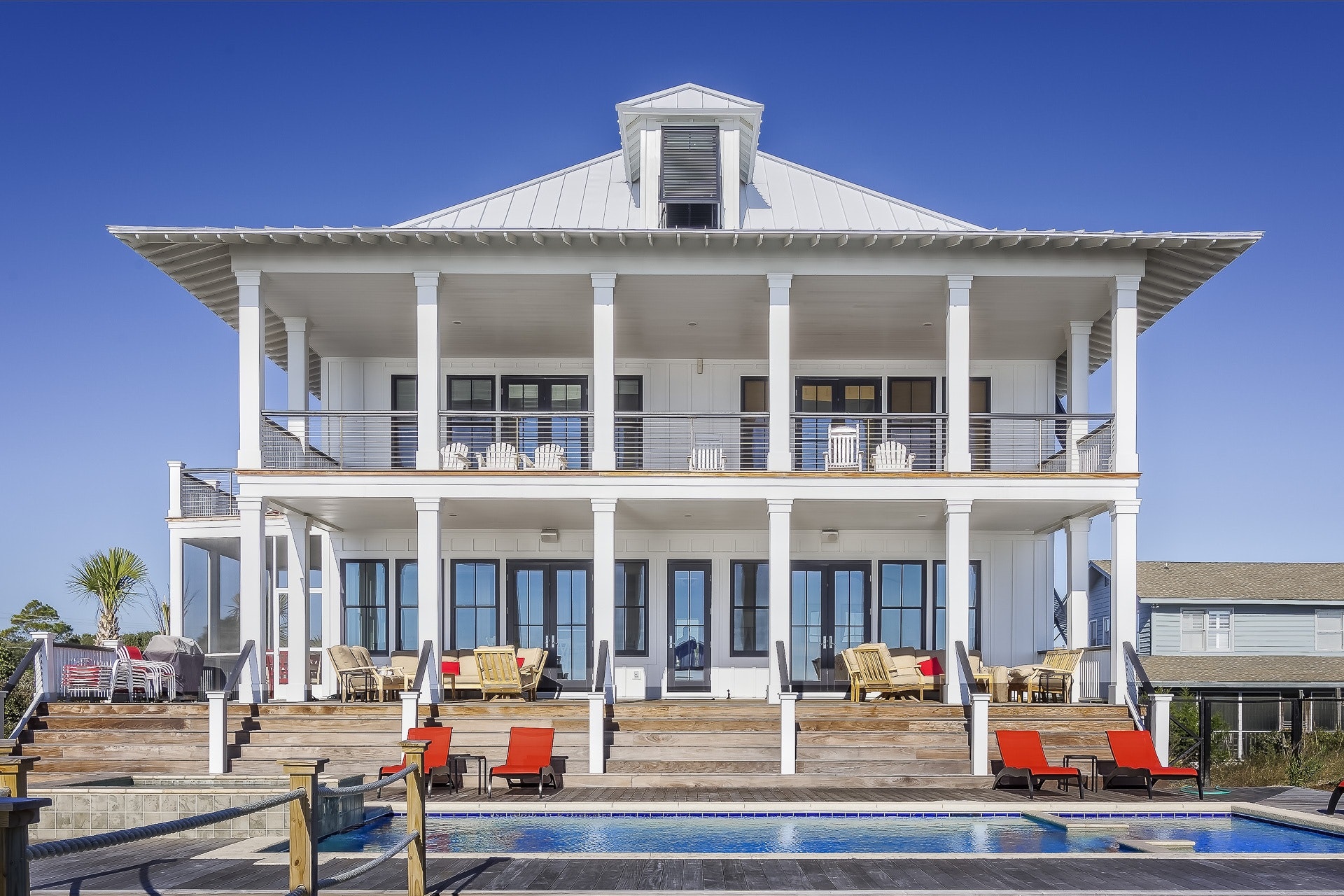
Taylors offers mid-20th-century ranch homes, newer Craftsman-style homes in recent subdivisions, split-levels, townhomes, and custom homes on wooded acreage, often with no HOA. Higher-end and golf-area communities such as Blue Ridge Plantation are also part of the mix.
Taylors sits in Greenville County, South Carolina, along US-29 between Greenville and Greer. Downtown Greenville is about 7 to 8 miles southwest, Greer and the GSP airport are a short drive east, and Paris Mountain and the Blue Ridge foothills lie to the north.

The Andy Bovender Team pairs deep Carolinas market knowledge with the reach of Compass. Expect straight answers, sharp preparation, and a process that stays simple, whether you are buying, selling, or both.