Summerville, SC offers a large historic town with an active central district and extensive suburban growth across Dorchester, Berkeley, and Charleston counties.
Discover Local CommunitiesThe municipal boundary crosses three counties and multiple school districts, while the Summerville postal area is larger still. Here, housing ranges from historic in-town homes to established subdivisions, townhomes, apartments, and large new communities.
Lifestyle changes by location: the historic core supports shorter local trips, while outer areas are more car-dependent and commute-oriented.
Conditions can vary by street, development, and jurisdiction, so property-level due diligence remains important.
Parks, festivals, recreation programs, and nearby natural areas support year-round activity. The listed Dorchester Two schools are representative central-town locations only; every address must be checked against the correct district.
School note: Attendance zones, program eligibility, and transportation can change. Confirm every assignment with the district using the full property address before making a housing decision.
Downtown and major corridors provide local restaurants, groceries, services, and regional retail.
Summerville sits about twenty-five miles northwest of downtown Charleston, mostly in Dorchester County, and it is the fastest-growing part of the Charleston metro. The range of Summerville homes for sale runs from townhomes in the $250,000s to custom property above $800,000, though the great majority of it sits far closer together than that range suggests. The town has a genuine historic downtown around Hutchinson Square, with independent restaurants and shops under old oaks, and around it a very large volume of new subdivision construction spreading north and west, including the Nexton master-planned community, which has four separate pages on this site.
The most revealing number here is not the median but the spread around it. One market tracker recorded 1,896 closings in Summerville over a six-month period with a median of about $399,988, and the middle half of those sales fell between $330,000 and $475,000. That is a band of roughly $145,000 containing half of all transactions, which is unusually tight, and the reason is straightforward: this is an area dominated by large new subdivisions where floor plans and lot sizes repeat across whole developments. Tight quartiles make pricing unusually predictable in Summerville. They also mean there is very little distance between a typical purchase and the top of the range.
Published figures differ mainly on period and measure rather than contradicting each other. Redfin recorded a February 2026 median of about $344,000, down roughly 3.5 percent, with 92 days on market. One aggregator put a July 2026 median at about $410,000, down about 0.58 percent, with 71 days on market, a 3.96-month supply, and a 99.09 percent sale-to-list ratio. Another put July at about $425,000. Zillow's home value index sat near $373,700 and up about 1.7 percent. The direction across all of them is broadly flat, and one figure worth a seller's attention is that the share of Summerville listings taking a price reduction rose from about 36 percent to about 43 percent year over year.
The Andy Bovender Team serves Summerville from a Compass office at 708 South Shelmore Boulevard in Mount Pleasant, alongside offices in Charlotte, Columbia, Wilmington, Fort Mill, Greenville, Lake Murray, and the Outer Banks. Two things follow for a buyer or seller. First, with more than two fifths of listings taking a price reduction, correct initial pricing matters more in this market than negotiating skill does later. Second, because so much of the inventory is repeated product within large developments, comparables here are unusually reliable when drawn from the same community and plan, and unusually misleading when drawn from the town as a whole, since the historic downtown and the newer subdivisions are different markets.
Summerville's downtown around Hutchinson Square carries independent restaurants and shops in low-rise buildings under mature oaks, including The Icehouse, Five Loaves Cafe, Laura, and La Rustica within a few blocks. For a town best known for new construction, the old center is the surprise.
Half of Summerville's sales close within a $145,000 band, between about $330,000 and $475,000, because so much of the inventory is repeated product within large developments. That makes valuing a house here more straightforward than almost anywhere else in the region.
A Summerville median around $400,000 sits well below Mount Pleasant's near $831,000 and below West Ashley's typical range, which is what buyers get for the drive. For households where one earner works from home or commutes off-peak, that trade works.
Summerville has more new subdivision construction than anywhere else in the Charleston metro, including the Nexton master-planned community, which has its own pages on this site. Buyers who want current mechanicals, layouts, and builder warranties have more choice here than anywhere in the region.
The downtown blocks hold Laura for Italian, The Icehouse for Southern cooking, Five Loaves Cafe for lunch and brunch, and Sweetwater One Twenty Three, several of them carrying well over a thousand reviews at high averages. That density in a town this size is not typical.
Most of Summerville sits in Dorchester County, which means a different county tax structure and a different school district from the Charleston County markets closer to the peninsula. Confirm which county and district apply to a specific address before buying, because the town's edges reach toward other counties.
Summerville divides cleanly between an old center and a large amount of newer development around it. Four areas cover the town, and one of them is handed to its own pages.
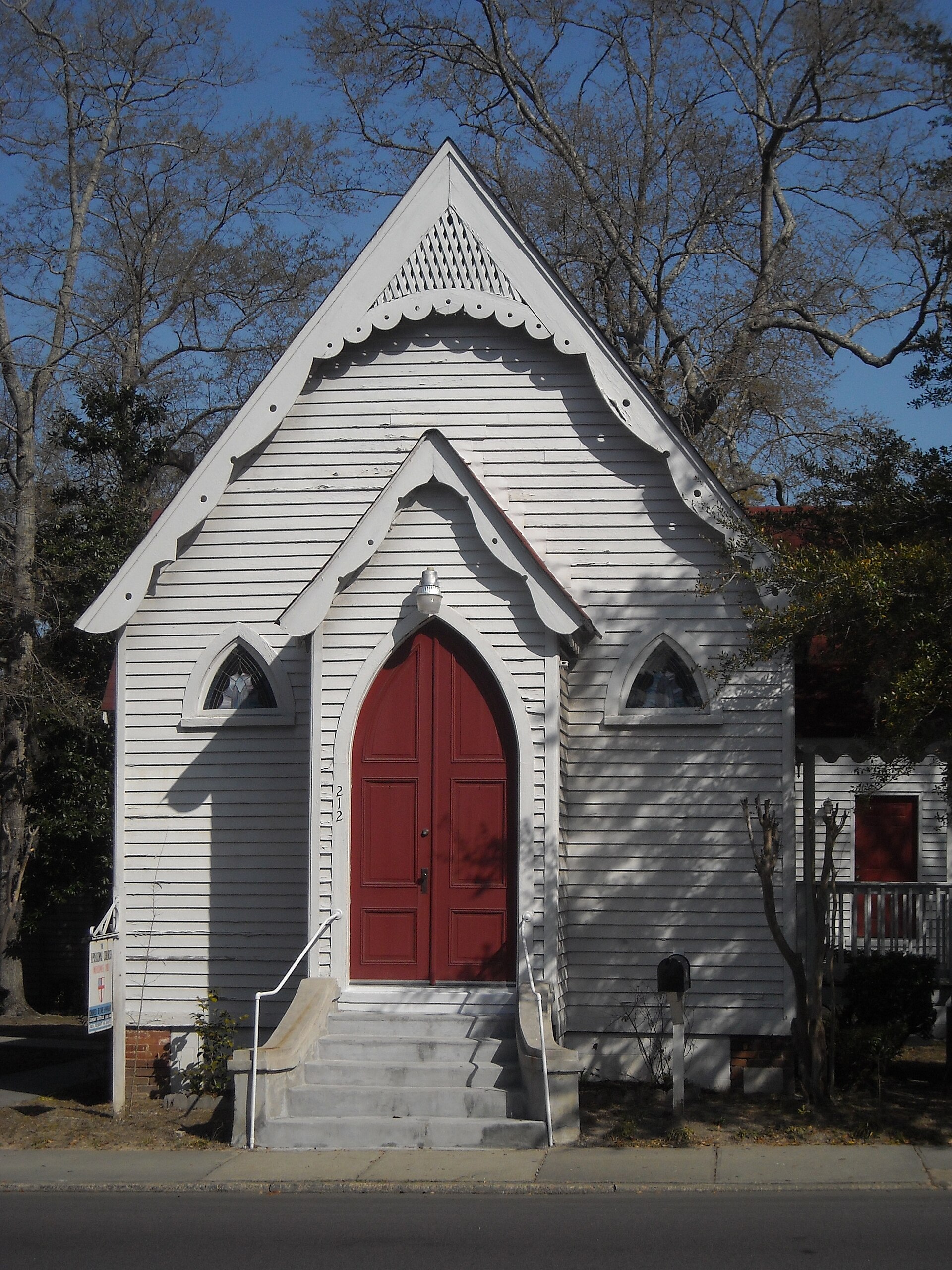
The blocks around Hutchinson Square and the surrounding historic district hold Summerville's oldest housing and its only walkable ground. Product runs to period houses and cottages on established streets under mature oaks, with restoration activity through them and some newer infill, and it is a genuinely different market from the subdivisions around it. Redfin tracks the Summerville Historic District separately and has shown medians well above and below the town figure depending on the period, on samples of around a dozen sales, so its published figures should be read as indicative only. This is where a buyer gets character, walkability, and the town's restaurants, and where the diligence is the usual older-housing set: systems, foundation, and permit history on any renovation.
Nexton is a large master-planned community on the northern side of Summerville, built out as a series of distinct villages with their own housing types, amenity packages, and price points, including an age-restricted section. It is substantial enough that it functions as its own market rather than as a subdivision, with its own commercial development and its own identity separate from the town. This site covers Nexton and three of its component communities on their own pages, in more detail than a parent page can carry, and buyers considering it should start there. What matters at this level is simply that a large share of Summerville's newer inventory sits inside Nexton, so a buyer comparing Summerville listings is often comparing Nexton against everything else.
Between the historic center and the newest development, Summerville holds a large stock of conventional subdivisions built from roughly the 1980s through the 2010s. Product runs to two-story traditional houses and ranches on standard suburban lots, generally with a homeowners association and often with a pool or a playground, with mature landscaping in the older sections. This is the volume of the Summerville market outside Nexton and it is where the interquartile compression is most visible, because plans repeat across whole developments. That makes valuation straightforward and it means a buyer should compare specific plans rather than general square footage. Read the association documents, and check what the community's amenity package costs.
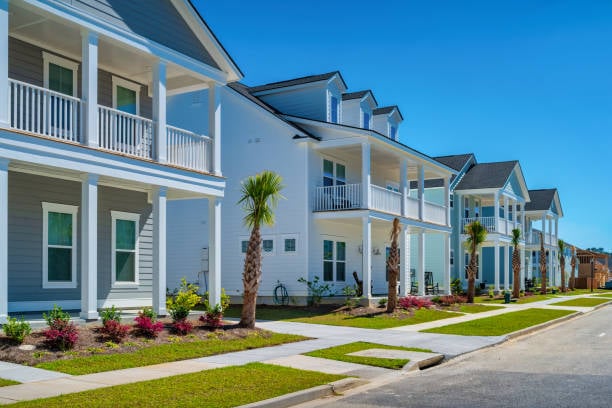
Beyond the established subdivisions, Summerville continues to build outward along the highway corridors, and this is where the most current inventory and the strongest builder incentives sit. Product is predominantly new construction on standard lots with association amenity packages, and buyers here get current mechanicals, layouts, and warranties at the lowest price points in the metro for new build. Three things belong in every offer out here. Ask what remains to be built on adjacent parcels, because the field behind a new house rarely stays a field. Establish what the association will cost once the builder hands over, since introductory rates can rise. And confirm which county and school district the specific address falls under, because the town's growth has pushed its edges outward.
Four categories cover the town. Historic housing in and around the downtown district is the character stock, the only walkable option, and the thinnest inventory. Master-planned community housing in Nexton is a market of its own and is covered on separate pages. Established subdivision housing from roughly the 1980s through the 2010s is the volume of the market outside Nexton. New construction along the growth corridors is the most current inventory and the strongest source of builder incentives. Across all four, three questions decide value: which county and school district the address falls under, what the association covers and what it will cost after handover, and, on repeated subdivision product, which specific plan and elevation a house is, because that comparison is far more useful here than square footage alone.
Summerville's independent dining sits almost entirely in the historic downtown, within a few blocks of Hutchinson Square, and it is stronger than a town of this size usually manages.
Laura, at 101 North Main Street, is the town's most ambitious restaurant, working house-made pasta, octopus, and focaccia with whipped ricotta in a warmly lit room. Dinner nightly with longer weekend hours, and reservations are advisable.
The Icehouse Restaurant, at 104 East Doty Avenue, does Southern cooking through steak bites, bang bang shrimp, fried shrimp, and collards, with outdoor seating and a play area. Closed Sundays and Mondays, and the entrance is at the back.
Five Loaves Cafe, at 214 North Cedar Street, is the lunch and brunch standby, with soups, sandwiches, and clearly labeled gluten-free and vegetarian options. Open seven days with a break between services at weekends.
La Rustica on Magnolia, at 315 North Magnolia Street, serves Italian food on a covered porch beside a planted garden, with a happy hour it calls Golden Hour. Closed Sundays, and it opens at 2.
Sweetwater One Twenty Three, at 123 West Richardson Avenue, covers breakfast through dinner with shrimp and grits, ceviche, and a catfish sandwich, at lower prices earlier in the day. Open seven days with a shorter Sunday.
Summerville splits its shopping between the historic downtown and the highway corridors, and the two do entirely different jobs. The downtown blocks around Hutchinson Square carry independent restaurants, boutiques, antiques, and services in low-rise buildings under old oaks, and it functions as the town's center in the evenings and at weekends. Everyday shopping happens on the corridors, principally along Main Street north and the highways out of town, which carry the grocery stores, pharmacies, big-format retail, and services, with newer retail continuing to open as the area grows. Nexton has its own commercial development on the northern side, covered on its own pages. For anything the town does not have, downtown Charleston is about twenty-five miles southeast and covered on its own pages, and North Charleston is closer still with the region's larger retail, covered in this volume. Buyers should note that Summerville is laid out for driving outside the downtown blocks.
Summerville's recreation runs through the town's own parks and programming and through Dorchester County, and the historic downtown carries an event calendar through the year around Hutchinson Square, which is the town's gathering point. The oaks and the historic streets are themselves a large part of what people do here, in the sense that the downtown district is a place residents walk rather than only a place they shop.
Beyond the town, Summerville's position works in one direction. Charleston is about twenty-five miles southeast for the peninsula's museums, theaters, restaurants, and Spoleto Festival USA, all covered on the Charleston Downtown and peninsula pages. North Charleston sits between the two with the region's larger retail, the airport, and the Park Circle dining district, covered in this volume. Charleston International Airport is roughly twenty-five minutes southeast. The beaches are the longest drive of any market in this volume, at roughly an hour to Folly Beach or Isle of Palms depending on the route, which is the genuine trade a Summerville buyer makes for the price.
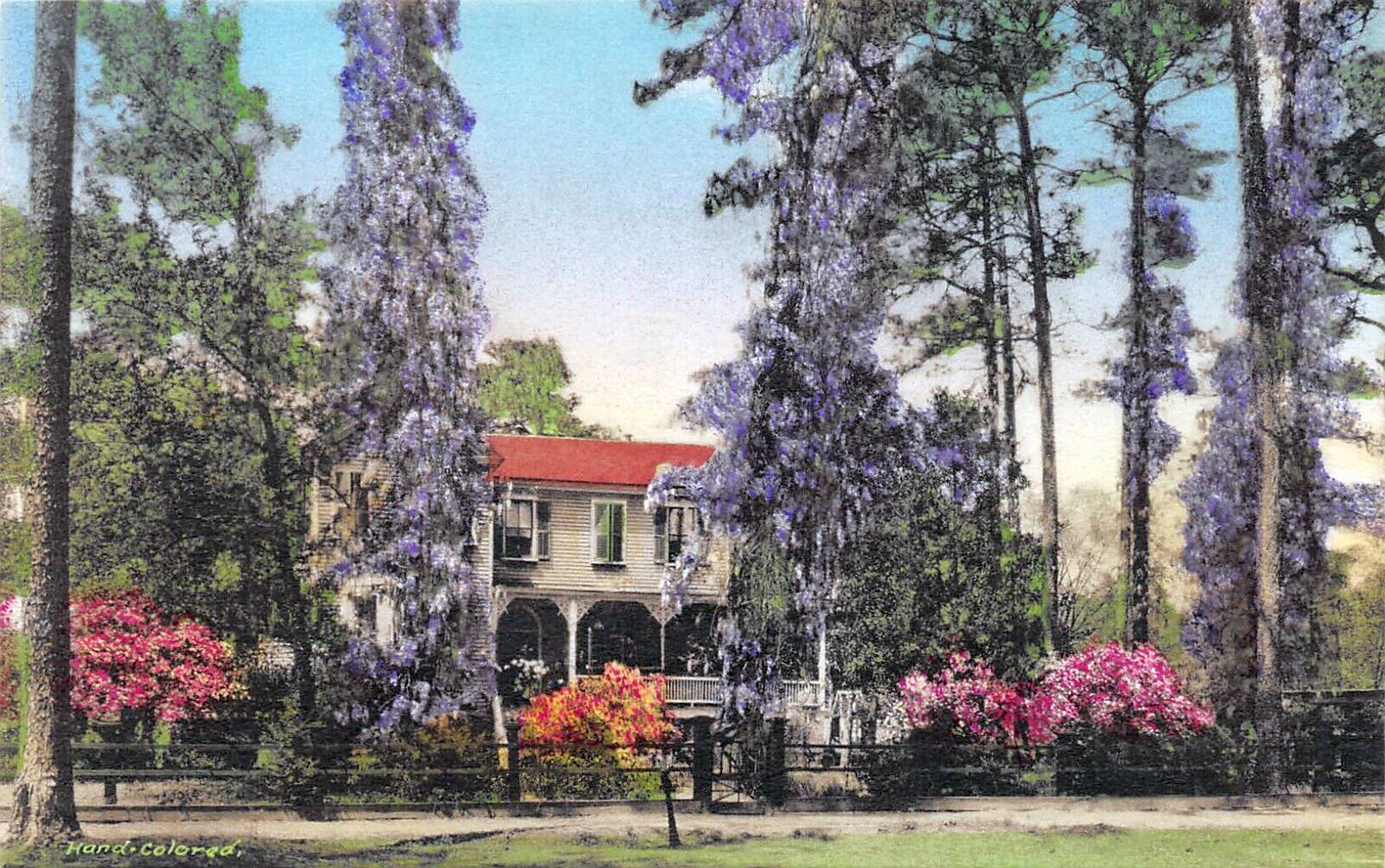
Summerville is known as a fast-growing town northwest of Charleston, nicknamed Flowertown in the Pines for its azaleas and pine-tree heritage. It is recognized for a charming historic downtown around Hutchinson Square, the Flowertown Festival, Azalea Park, the Colonial Dorchester State Historic Site, and a wave of master-planned communities such as Nexton and Cane Bay.
Living in Summerville offers small-town charm with modern suburban growth and relative affordability for the Charleston area. Residents enjoy downtown shopping and dining, the Sawmill Branch Trail, Azalea Park, and seasonal festivals. The town spans Dorchester, Berkeley, and Charleston counties, draws families to its highly rated Dorchester District Two schools, and sits about 30 minutes from downtown Charleston.
Homes in Summerville carry a median around $345,000 to $410,000, with strong affordability for the Charleston area. Established neighborhoods offer entry points in the $200,000s and $300,000s, master-planned communities such as Cane Bay and Nexton run from the $400,000s to $500,000s, and the historic district commands a premium.
Summerville offers historic downtown homes with period character, suburban single-family homes in master-planned communities, townhomes, condos, and active-adult neighborhoods. New construction is widespread in communities like Cane Bay, Nexton, Summers Corner, and Carnes Crossroads, while older sections near downtown offer more established homes and larger trees.
Summerville sits northwest of Charleston across Dorchester, Berkeley, and Charleston counties, along Interstate 26 and US-17A. Downtown Charleston is about 30 minutes southeast, Nexton and Cane Bay are within or beside the town, and Charleston International Airport is roughly 25 minutes away. Students attend the highly rated Dorchester District Two schools, with Berkeley County schools in some areas.

The Andy Bovender Team pairs deep Carolinas market knowledge with the reach of Compass. Expect straight answers, sharp preparation, and a process that stays simple, whether you are buying, selling, or both.