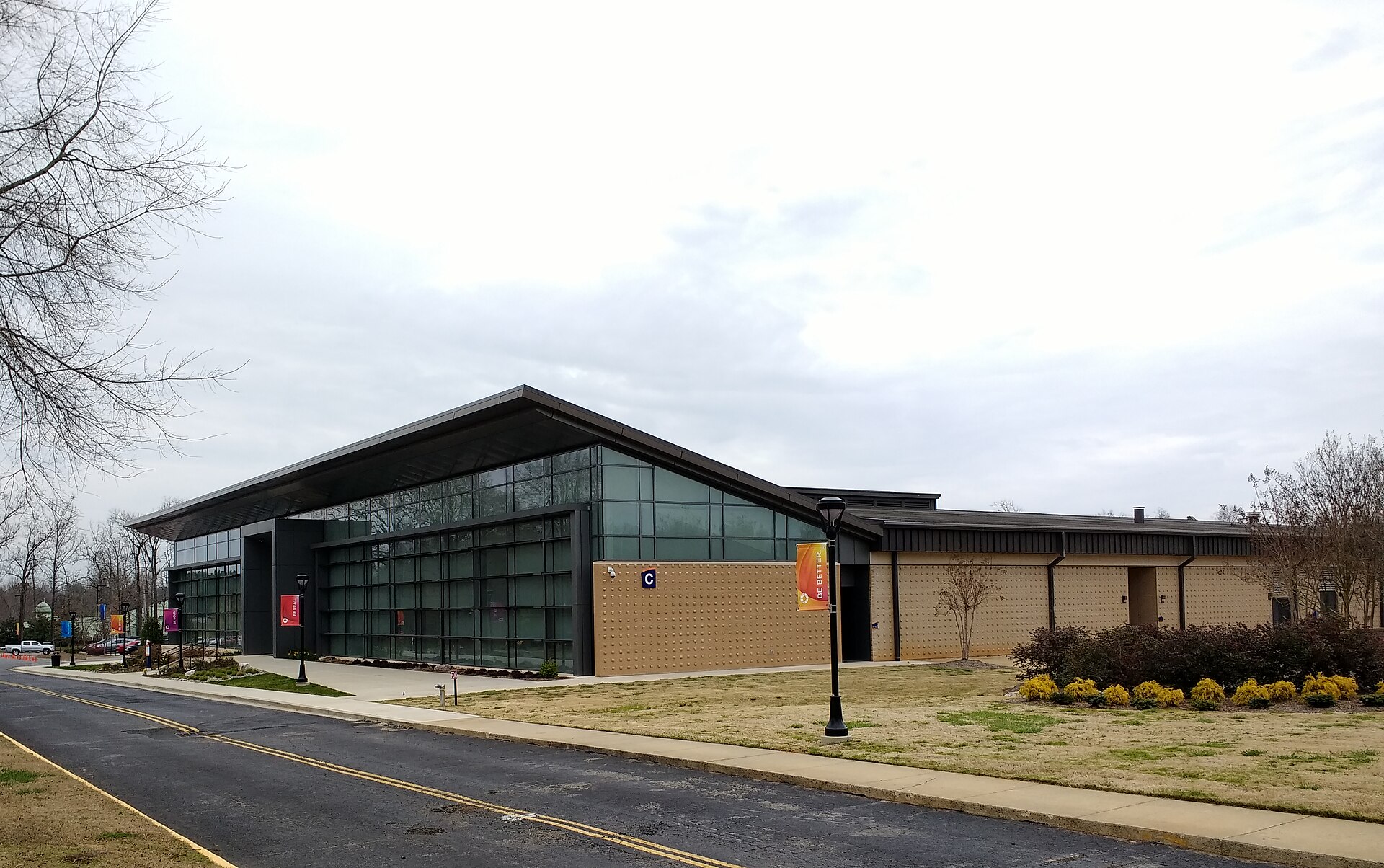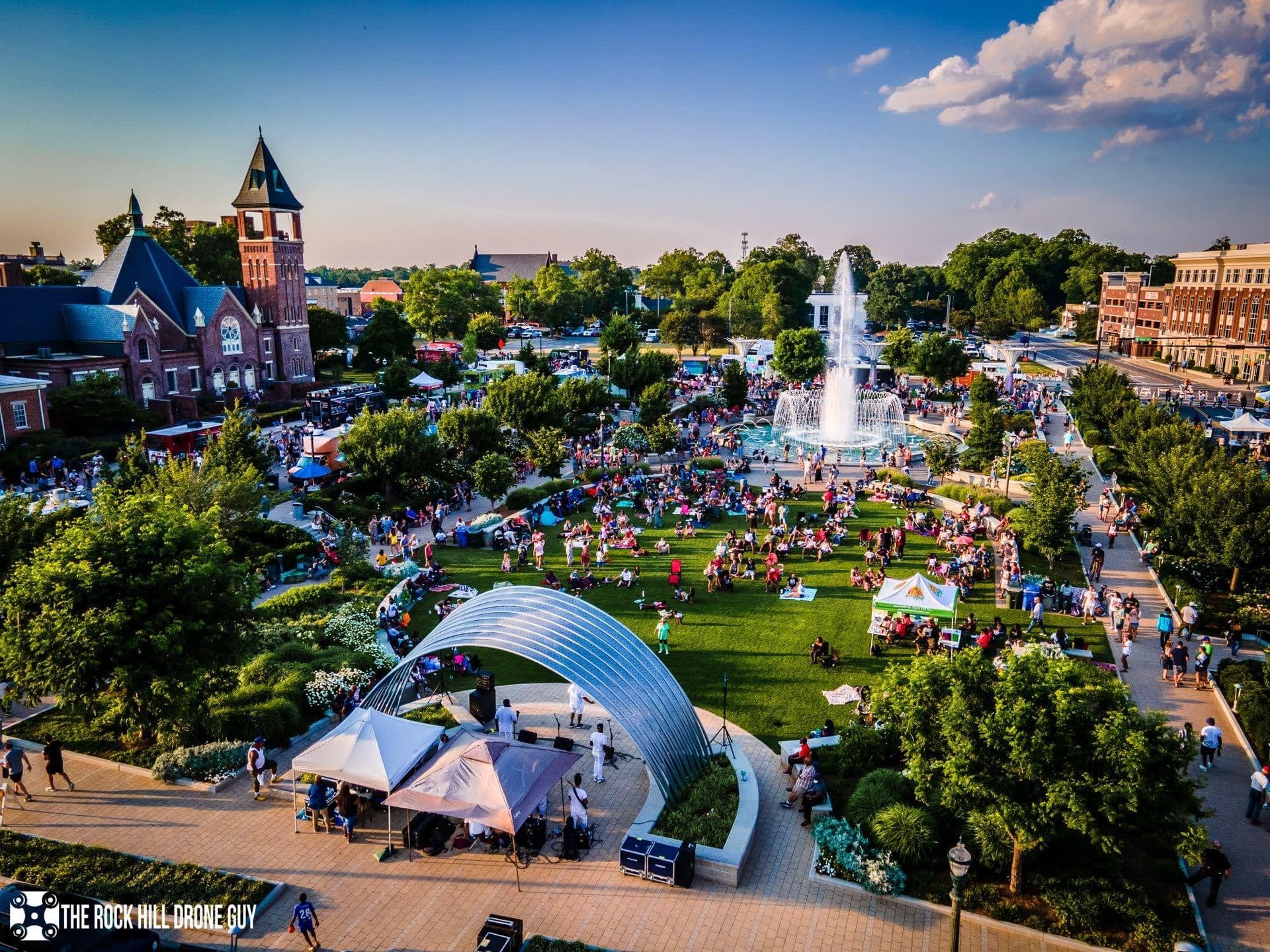
Rock Hill is a York County city on the Catawba River with an active Old Town, Winthrop University, established neighborhoods and regional recreation at Riverwalk and city parks.
Discover Local CommunitiesInterstate 77 links Rock Hill with Charlotte, while the city's own employment, education, arts and recreation resources support daily life within the community. Municipal facts should remain inside the city boundary.
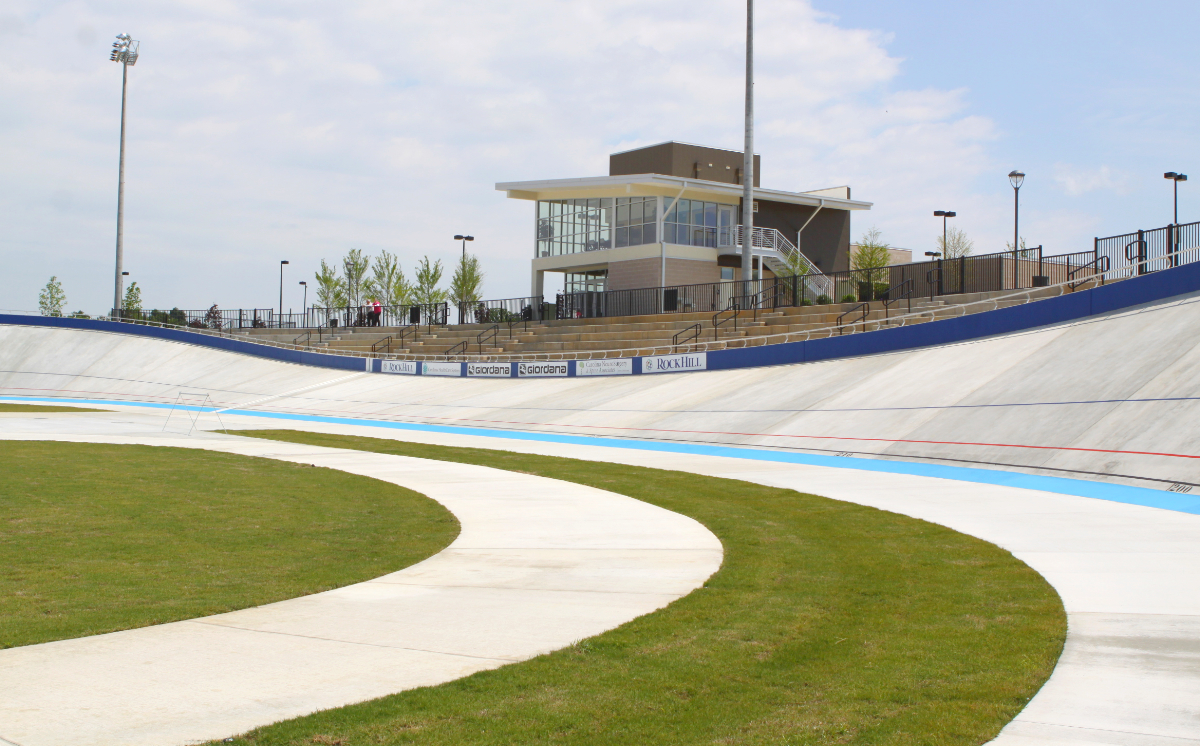
Old Town, the Catawba River corridor and a citywide park system create a mix of civic, cultural and outdoor activity. Riverwalk includes paved trails and specialized cycling facilities.
Residents can move between historic neighborhoods, university areas, suburban districts and riverfront recreation. Driving remains important, while trails and central streets support walking and cycling in specific locations.
City parks, Riverwalk, sports facilities, university events and arts programming provide varied entertainment. Rock Hill Schools uses attendance zones; the listed campuses are local district examples and not assigned to every city address.
Old Town contains local restaurants, shops and services, with larger retail areas along Dave Lyle Boulevard, Cherry Road and other corridors. Verify current businesses before publishing recommendations.
Rock Hill is the largest city in York County, South Carolina, about thirty minutes south of Uptown Charlotte on Interstate 77, and the range of Rock Hill homes for sale runs from houses in the $200,000s to custom property above $800,000. Unlike most places covered on this site it is a city rather than a suburb: it has a working downtown, a university in Winthrop, a hospital, its own employment base, and a sports tourism economy built around purpose-built venues. The range of housing reflects that, spanning early twentieth century mill-era neighborhoods, mid-century subdivisions, and newer development on the edges out toward the interstate.
On price, Rock Hill is the most affordable established market on the Charlotte side of York County, and the gap against its neighbors is large. A local agent summary put the median sale price at about $320,667 in May 2026, with Zillow's typical home value at about $329,229 as of the end of June. Against Fort Mill's spring 2026 median of roughly $496,000 and Tega Cay's higher still, Rock Hill buyers pay roughly $175,000 less than Fort Mill and roughly $275,000 less than Tega Cay. The effective property tax rate inside city limits runs about 0.860 percent against Fort Mill's town limit rate of about 0.949 percent, so the tax position works in the same direction rather than against it.
The pace tells a more interesting story than the price. Homes go under contract in a median of about 22 days, which is fast, but roughly 58 percent of sales close below asking. Those two facts together describe a market that moves quickly on correctly priced houses and stalls on overpriced ones, which is a more demanding environment for a seller than a simple days-on-market figure suggests. A seller pricing optimistically here will not sit for months at the top of the market; they will sit and then negotiate down. For a buyer it means the well-priced houses go fast and the negotiating room is in the listings that have already been sitting.
The Andy Bovender Team serves Rock Hill from a Compass office at 967 Market Street in Fort Mill, about twenty minutes north, alongside offices in Charlotte, Charleston, Columbia, Wilmington, Greenville, and the Outer Banks. Two things make local knowledge worth more here than the affordability suggests. First, Rock Hill spans a genuinely wide range of housing eras and conditions, from mill-era cottages through mid-century ranches to new construction, and the city median describes almost none of it accurately. Second, buyers comparing Rock Hill against Fort Mill, Tega Cay, and Indian Land are weighing price against school district, city services, and commute at the same time, and the differences between those markets are larger than the twenty minutes of road between them.
A Real Downtown With Its Own Restaurants
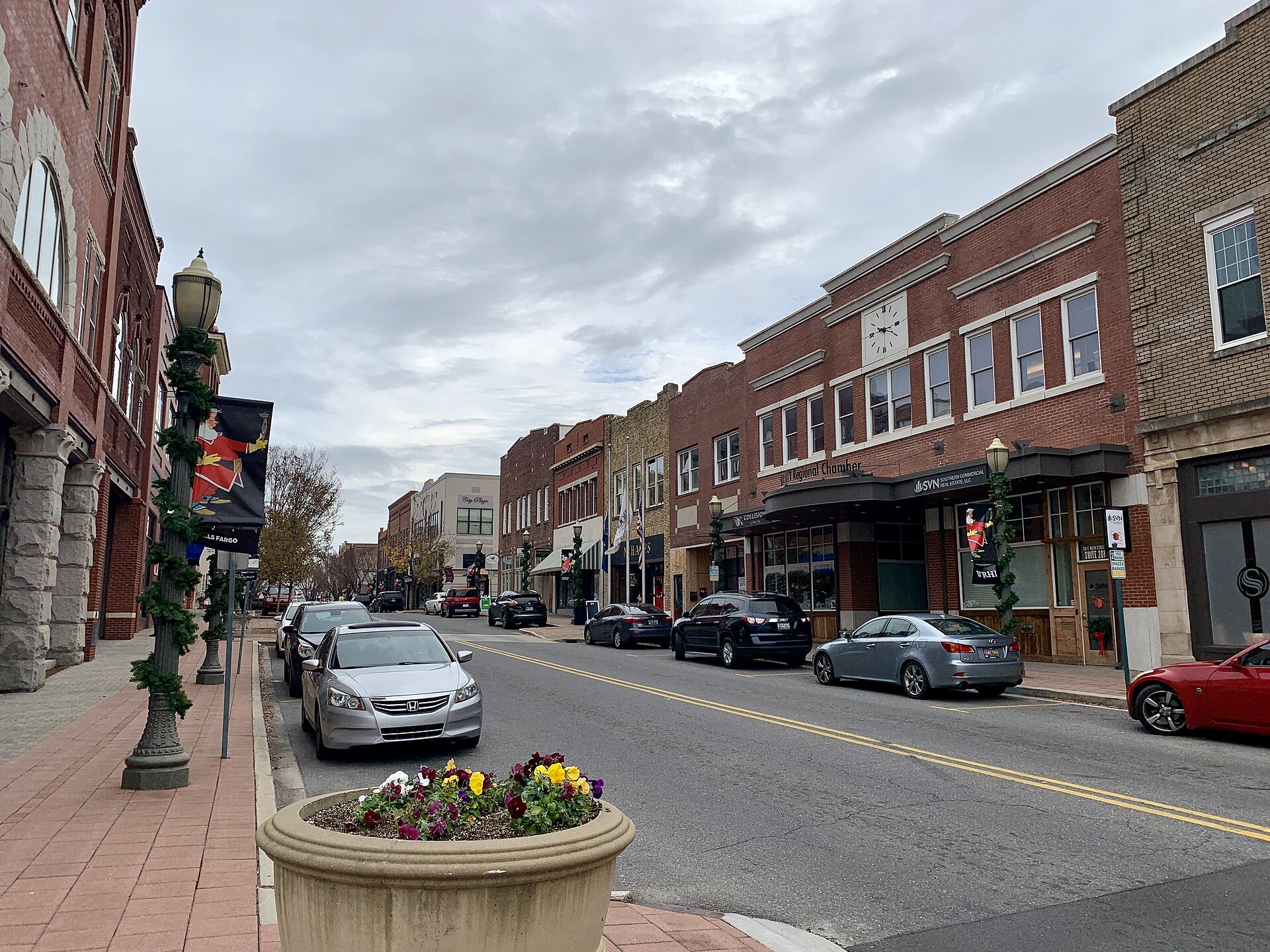
Main Street and the blocks around it carry independent restaurants and bars in historic buildings, including Kounter, Tattooed Brews, and The Flipside a block away on Caldwell Street. This is a working city center rather than a suburban strip, and it functions in the evenings.
Roughly $175,000 Less Than Fort Mill
Rock Hill's median sale price ran about $320,667 in spring 2026 against roughly $496,000 in Fort Mill, and the effective property tax rate inside city limits is lower as well. For buyers priced out of the markets to the north, this is where York County becomes reachable.
Winthrop University in the Middle of It
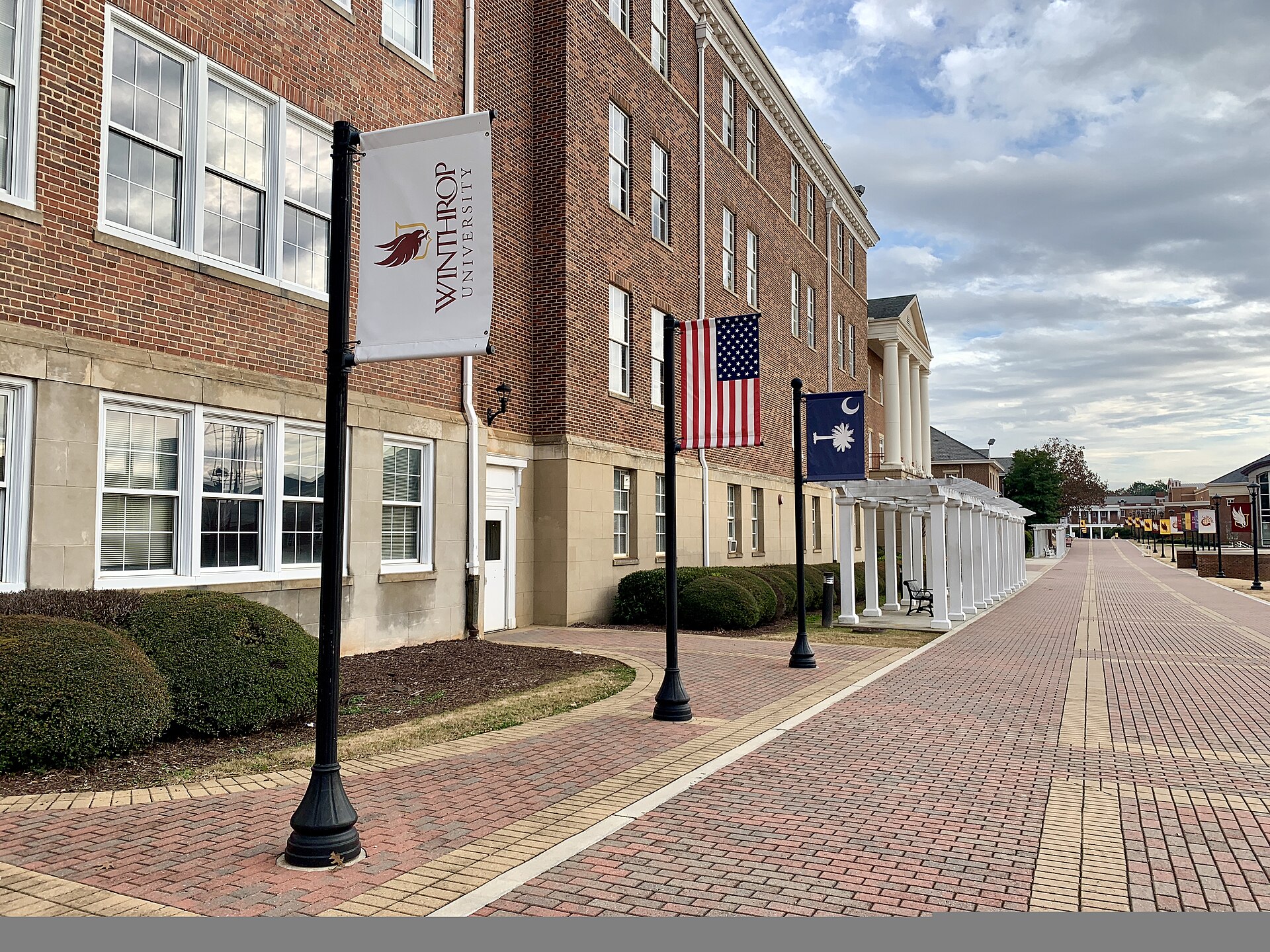
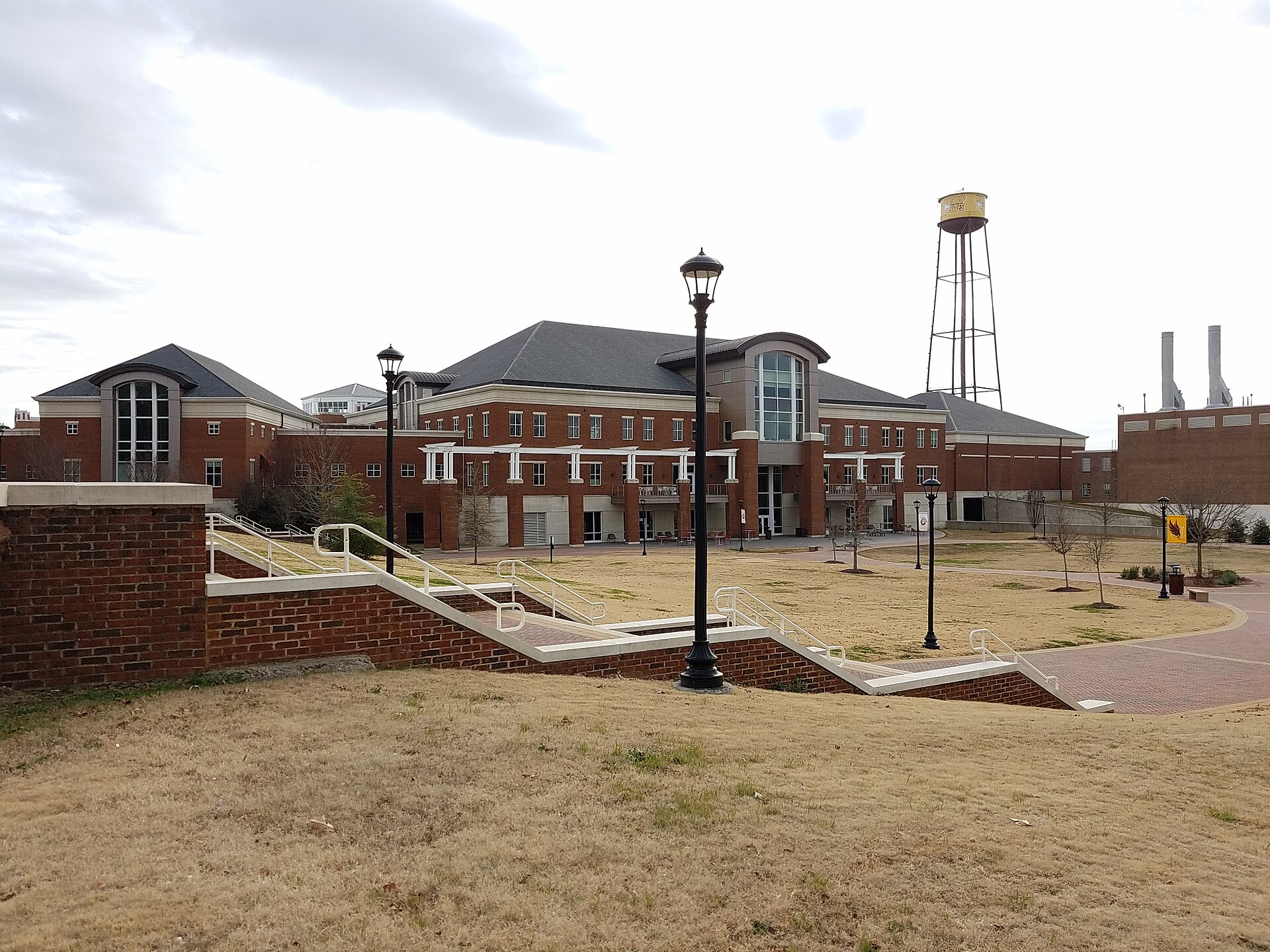
Winthrop University sits inside the city with a campus, a coliseum, and a ballpark that host graduations, tournaments, and touring events open to residents. A university of that size gives Rock Hill a cultural and employment base that comparable South Carolina suburbs do not have.
Purpose-Built Sports Venues
The Rock Hill Sports and Event Center on Technology Center Way is a modern indoor facility hosting basketball, volleyball, pickleball, and combat sports tournaments, drawing competitors from well outside the region. Rock Hill has built an events economy around facilities like it.
Thirty Minutes to Uptown With SC Taxes
Interstate 77 puts Uptown Charlotte roughly thirty minutes north while South Carolina's owner-occupied assessment ratio and York County's rates apply to the house. It is the longest commute of the South Carolina markets on this site and the lowest entry price, which is the trade.
Housing From Four Different Eras
Rock Hill holds early twentieth century mill-era neighborhoods, mid-century ranch subdivisions, later suburban development, and new construction on the edges, which is a wider range of eras than any other South Carolina market covered on this site. Buyers looking for character or for new build both have somewhere to go.
Rock Hill is a city rather than a subdivision, and it is organized the way cities are: an old center, the neighborhoods that grew around it, and newer development on the edges. Four areas behave as distinct markets.
Downtown and the Old Town Grid
The blocks around Main Street, Caldwell Street, and the surrounding grid hold Rock Hill's oldest housing and its only walkable ground, alongside a downtown that has developed a genuine restaurant and bar scene. Housing runs to early twentieth century houses on small lots, including mill-era cottages, with restoration and infill activity through them and newer attached product built to take advantage of the location. This is the character end of the market and generally the most accessible entry point on price. The usual questions about older housing apply, meaning original systems, foundation type, and permit history on any renovation. Condition varies considerably street by street here, more than in most of the markets covered on this site, so the specific block matters.
The Winthrop and Eden Terrace Area
The area around Winthrop University on the northern side of the city holds established housing on tree-lined streets, with the campus, Winthrop Coliseum, and Winthrop Ballpark within it. Housing runs to mid-century and earlier detached houses on larger lots than the downtown grid, with mature landscaping and a settled streetscape. Proximity to a university cuts both ways and buyers should understand both directions. It supports demand, brings cultural and sporting events within a walk, and provides a stable employment anchor. It also means student rental activity on some streets and event traffic on others. Walk a prospective block during term time rather than only in summer, because the difference is real.
The Established Subdivisions and Herlong Avenue Corridor
Most of Rock Hill is conventional suburban housing built out across several decades, spreading west and north from the old center along Cherry Road, Herlong Avenue, and the connecting corridors. Product runs to mid-century ranches, split-levels, and later two-storey traditional houses on quarter to half-acre lots, generally with mature trees and often without the association fees that newer developments carry. This is the volume of the Rock Hill market and where most relocating buyers land, because it offers established housing at prices the markets to the north do not reach. The trade-off is the maintenance profile of houses now thirty to sixty years old, and buyers should budget for roofs, HVAC, and systems accordingly.
The Interstate Corridor and Newer Development
East and north toward Interstate 77 and the Fort Mill line, newer subdivisions and current construction form the most recently built part of the city. Housing here runs to two-storey traditional houses on standard suburban lots, generally with a homeowners association and often with a pool or a playground, at prices well below equivalent product in Fort Mill a few minutes north. This is where a buyer gets current mechanicals and layouts with the shortest access to the interstate and the shortest commute to Charlotte from anywhere in Rock Hill. Read the association documents, ask what remains to be built on adjacent parcels, and confirm which school district and which municipal boundary a specific address falls under, because this edge runs toward Fort Mill.
Property Types Across Rock Hill
Four categories cover the city, and the spread of eras is wider than in any other South Carolina market on this site. Early twentieth century housing in and around the downtown grid, including mill-era cottages, is the character stock and the entry point on price. Mid-century ranches and split-levels across the established subdivisions are the volume of the market. Later suburban housing on the western and northern sides fills the middle. New construction along the interstate corridor is the most current inventory and the closest to Charlotte. Across all four, three questions decide value: which era the house is and what condition its systems are in, whether the address sits inside city limits, which affects the tax rate, and on the northern edge, which municipality and district a specific parcel actually falls under.
Rock Hill's independent dining concentrates on and around Main Street downtown, with further options spread along the corridors out toward the interstate.
Kounter, at 135 East Main Street, is downtown's most ambitious restaurant, working a modern Southern menu through smoked tuna, meatloaf, and a rotating blue plate special in a converted lunch counter space. Closed Mondays, and reservations help at weekends.
The Flipside Restaurant, at 129 Caldwell Street, is the Southern standby a block off Main, doing pimento cheese burgers, ribs, fried chicken, and cornbread muffins with apple cinnamon butter. Open seven days, with a shorter Sunday.
Tattooed Brews, at 120 East Main Street, is the downtown taproom and grill in an old building, with a deep beer list, soft pretzels, and a late license seven days.
Old Town Kitchen and Cocktails, at 300 Technology Center Way, sits beside the sports and event center with a book-themed room, Brussels sprouts, and a cocktail program, open seven days with a shorter Sunday.
Katana Kitchen, at 1263 East Main Street, does Japanese-inspired bowls, poke, and kimchi fries at counter-service prices with unusually consistent reviews. Open seven days, with a short Sunday.
Rock Hill splits its shopping between a walkable downtown and the retail corridors, which is what a city of this size does. Main Street and the surrounding blocks carry independent restaurants, bars, small retail, and services in historic low-rise buildings, and downtown functions as the center in the evenings. Everyday shopping happens on the corridors: Cherry Road and Dave Lyle Boulevard carry the grocery stores, pharmacies, big-format retail, and the region's mall, and the Herlong Avenue area adds further commercial. For anything not covered locally, Fort Mill is about twenty minutes north and covered on its own page, the Ballantyne and Blakeney centers in south Charlotte are roughly thirty minutes, and Uptown Charlotte is about thirty. Buyers should note that outside the downtown blocks Rock Hill is laid out for driving, which is true of every market on this site but worth saying because the downtown makes it easy to assume otherwise.
Rock Hill has invested in sport more visibly than any other market covered on this site. The Rock Hill Sports and Event Center at 326 Technology Center Way is a modern indoor facility hosting basketball, volleyball, pickleball, and combat sports tournaments that draw competitors from well beyond the region, and visitors consistently describe it as unusually well run. Winthrop University adds Winthrop Coliseum at 1162 Eden Terrace for basketball, graduations, and touring events, and Winthrop Ballpark on Eden Terrace for college baseball at modest admission. Between the three, there is competitive sport in the city most weekends of the year.
Beyond sport, the city runs its own parks and recreation program, and Lake Wylie sits about fifteen minutes northwest with Ebenezer Park on the Rock Hill side providing a swimming beach, camping, a boardwalk, and a boat launch. The lake is covered on the Lake Wylie page. Downtown carries the city's event calendar through the year, and Winthrop's campus programming is open to residents. For concert halls, professional sport, and museums beyond the local venues, residents drive about thirty minutes north into Uptown Charlotte, which is covered on its own page, and Charlotte Douglas International Airport is roughly forty minutes northwest.
Rock Hill is known as the fifth-largest city in South Carolina, in York County, about 25 miles south of Charlotte. It is recognized for Winthrop University, a historic Old Town and the state's first cultural district, the Riverwalk along the Catawba River, lower home prices than Fort Mill, and easy Interstate 77 access to Charlotte.
Living in Rock Hill offers city amenities at a more affordable price than many Charlotte suburbs. Residents enjoy a walkable downtown, Glencairn Garden, the Riverwalk trails and sports venues, and three colleges. Lower South Carolina taxes and a roughly 30-minute commute to Charlotte draw families and commuters, while Winthrop University adds a college-town energy.
Homes in Rock Hill carry a median around $315,000 to $340,000, more affordable than Fort Mill or the broader Charlotte metro. Downtown bungalows and condos start near $200,000, established and ranch homes run from the $275,000s to $475,000s, and newer master-planned communities such as Riverwalk reach higher.
Rock Hill offers bungalows and Cape Cods downtown, ranch homes in established neighborhoods like Winthrop Heights, new-construction Craftsman homes, townhomes, condos, and master-planned communities such as Riverwalk with single-family homes and apartments. Rural homes on acreage are available on the outskirts, giving buyers a wide range of styles and price points.
Rock Hill sits in York County, South Carolina, about 25 miles and 30 minutes south of Charlotte along Interstate 77. Fort Mill, Tega Cay, and Lake Wylie are nearby, along with Carowinds. Students attend the Rock Hill School District, the largest of York County's four districts, and Winthrop University is in the heart of the city.

The Andy Bovender Team pairs deep Carolinas market knowledge with the reach of Compass. Expect straight answers, sharp preparation, and a process that stays simple, whether you are buying, selling, or both.