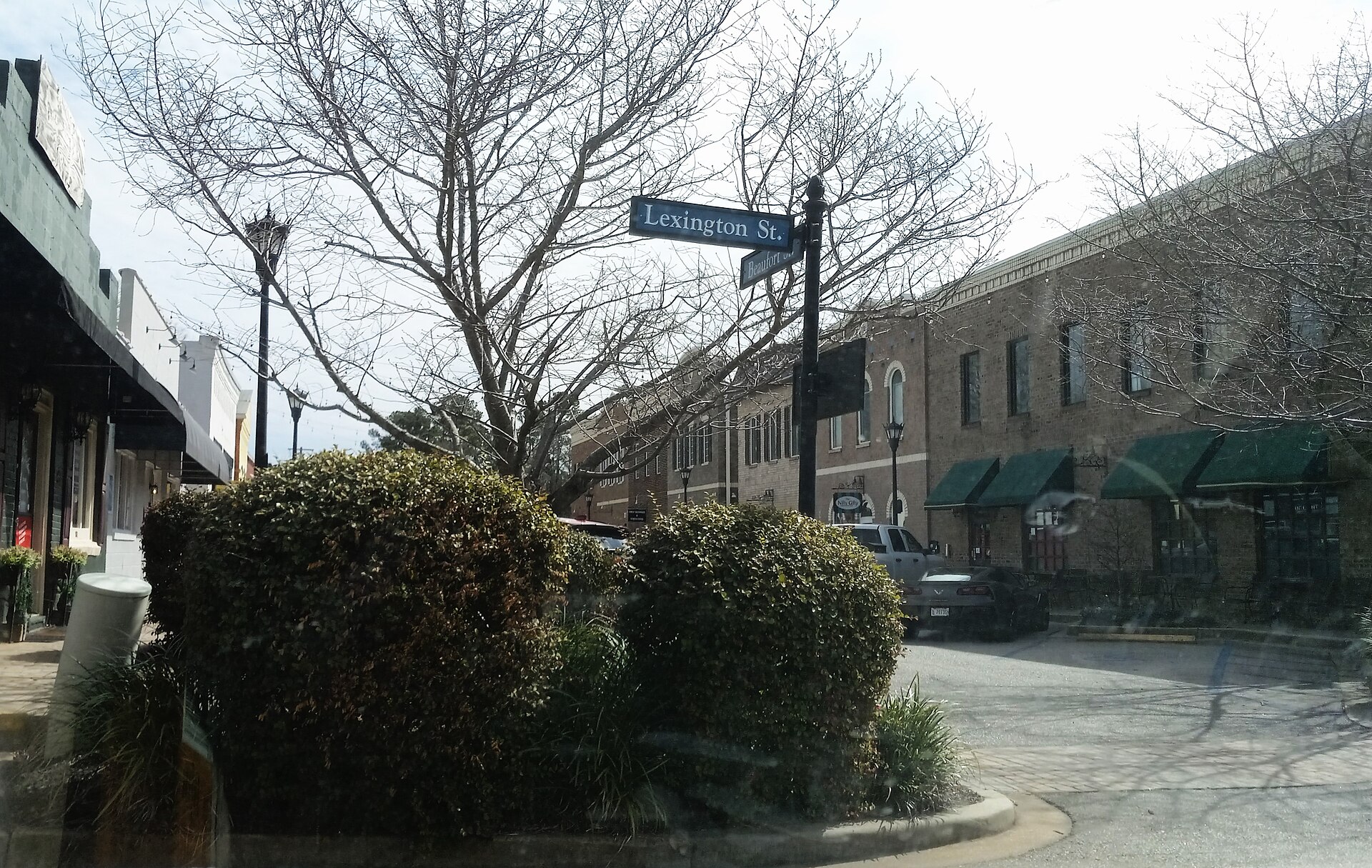
Plaza Midwood is an east Charlotte neighborhood centered on The Plaza and Central Avenue, with varied early- and mid-twentieth-century housing, local businesses and an active commercial core.
Discover Local CommunitiesThe City's historic-district description notes that several developments formed the neighborhood over time, producing varied architecture. Historic review applies only inside the designated district.
Plaza Midwood combines established residential streets with restaurants, shops, public art and community gathering spaces. Its location provides quick access to Uptown and adjacent east-side neighborhoods.
Walking, cycling, transit and driving all play a role, with the highest concentration of activity near Central Avenue and The Plaza. Residential blocks become quieter away from the commercial corridors.
The City's approved Plaza Midwood social district, nearby parks and central Charlotte venues add entertainment options. CMS boundaries and magnet rules are address- and program-specific; linked schools are local context only.
The neighborhood is one of Charlotte's denser local dining and retail clusters, but individual businesses change frequently. Describe the Central Avenue and The Plaza corridors rather than relying on a static best-of list.
Plaza Midwood sits about two miles northeast of Uptown Charlotte along Central Avenue and The Plaza, and the range of Plaza Midwood homes for sale runs from bungalows around $350,000 to custom rebuilds above $2.4 million. The neighborhood grew up in the 1920s as one of Charlotte's early streetcar-era suburbs, and its Central Avenue commercial strip has become one of the most active independent restaurant and bar districts in the city. What makes it distinctive as a market, though, is not the history. It is what has happened to the housing since.
One figure explains the whole neighborhood. In a subdivision where homes date from 1920 to the present day, the median build year is around 2004. That is not a typo and it is not gradual infill. It means that a large share of the original housing stock has been replaced, and the streets now hold century-old bungalows standing beside houses built in the last twenty years, often on the same block and sometimes on the same lot footprint. Single-family homes have recently sold across a range from about $350,000 to about $2.43 million, sizes run from roughly 700 to 4,700 square feet with a median near 2,000, and lots run from about 0.09 to 0.6 acres. Almost no other Charlotte neighborhood mixes that much scale on that small a geography.
That mix produces the widest disagreement between published market figures of any neighborhood in this project. Redfin has shown a median of about $861,000, up roughly 7 percent, on 19 monthly sales with 88 days on market against 34 a year earlier. One aggregator reported a February 2026 median of about $985,000 with an average sale price near $1,090,000, and a twelve-month median near $965,000 up about 7 percent. Another put an April 2026 median near $907,500 at about $449 per square foot, then an August 2026 median list price of about $799,000 at about $426 per square foot. A fourth source put the median home value at around $480,000. Those figures span more than 100 percent. They are all measuring Plaza Midwood; they are not all measuring the same houses.
The Andy Bovender Team serves Plaza Midwood from a Compass office at 4525 Sharon Road in Charlotte, as part of a footprint that also covers Charleston, Columbia, Wilmington, Fort Mill, Greenville, Lake Murray, and the Outer Banks. Two things follow from all of this for a buyer or a seller. First, no neighborhood median is usable here, and pricing has to come from comparables matched on build era, square footage, and lot, of which there may be only a handful. Second, buying an original 1920s bungalow and buying a 2015 rebuild on the same street are two entirely different transactions in terms of inspection, systems, insurance, and what the next ten years will cost.
Central Avenue Is a Real Restaurant District
A few blocks of Central Avenue carry one of Charlotte's densest runs of independent restaurants and bars, including Midwood Smokehouse, Que Onda, The Workman's Friend, DTR, and Painted Rooster, all within walking distance of each other and of most of the neighborhood.
Two Miles From Uptown on Foot or Two Wheels
Plaza Midwood sits about two miles northeast of Uptown Charlotte, close enough that much of the neighborhood is a bike ride or a long walk from the central business district, with Central Avenue running straight in. That proximity is the reason the neighborhood has changed as fast as it has.
Century-Old Bungalows Next to New Builds
The housing spans from 1920 to the present, with a median build year around 2004, which means a buyer can choose between an original Craftsman bungalow and a recent custom house on the same street. Very few neighborhoods offer that range inside a few blocks.
Lots Big Enough to Do Something With
Lot sizes here run from about 0.09 to 0.6 acres with a median near 0.2, which is generous for a neighborhood this close to Uptown and is the reason so much rebuilding has happened. Buyers looking for a project or an addition find more room here than in comparably located neighborhoods.
Independent Retail Rather Than Chains
Central Avenue and The Plaza carry independent shops, record stores, vintage and thrift, salons, tattoo studios, and coffee alongside the restaurants, in low-rise buildings with the sidewalk running past their doors. It is the least corporate commercial strip inside the city's inner ring.
Bordered by Two Quieter Historic Neighborhoods
Chantilly sits immediately south and Elizabeth to the southwest, both quieter residential historic neighborhoods with no commercial streets of their own. That means Plaza Midwood's restaurants serve a wider area than its own residents, and it means quieter streets are a few minutes away when you want them.
Plaza Midwood is organized around two commercial streets and defined by what has happened to its housing, so the useful distinctions here are position relative to those streets and how much of a block has been rebuilt.
The Central Avenue Corridor
The blocks on and immediately behind Central Avenue are the busiest part of the neighborhood and the most walkable ground in it. Housing here runs to bungalows and small period houses on modest lots alongside newer attached product and rebuilds, and it is where a buyer gets the shortest walk to the restaurant and bar district. The trade-off is exactly what the appeal is. Central Avenue is active late, particularly at weekends, and street parking pressure from the commercial strip pushes onto the residential blocks behind it. Walk a prospective street on a Friday evening as well as a Tuesday morning, because the difference two blocks makes is substantial.
The Plaza and the Northern Streets
The Plaza runs north through the neighborhood and carries its second commercial presence at a lower intensity than Central Avenue. The residential streets off it hold a substantial share of the neighborhood's original housing, including some of the larger period houses, on wider lots than the Central Avenue blocks. This is generally the quieter half of Plaza Midwood and where a buyer is most likely to find an intact 1920s or 1930s house that has not been through a full rebuild. It also sits closest to Charlotte Country Club, whose surrounding streets carry substantially larger houses. Expect competition for well-restored original houses, because they are the scarcer product in this neighborhood now.
The Rebuilt Blocks
Rebuilding is not evenly distributed across Plaza Midwood, and identifying which blocks have been through it matters more here than in almost any neighborhood in this project. On some streets a majority of the original bungalows have been replaced by houses of two or three times the square footage; on others the original fabric is largely intact. That affects everything: the comparables available, the streetscape, the likely trajectory of values, and whether a buyer purchasing an original house is buying the last one on the block or one of many. There is no map of this. It requires walking the specific street and pulling the build years for the surrounding parcels, which is exactly the work that separates a local agent from a portal search.
The Edges Toward Chantilly and the Rail Corridor
Plaza Midwood's southern and western edges run toward Chantilly and against the rail corridor, and these blocks are generally the most accessible on price. What a buyer gains is the neighborhood's location and its restaurant district a few minutes away at a lower entry point. What a buyer accepts varies by edge: proximity to active freight track on the rail side, with intermittent noise and vibration that no renovation removes, and a longer walk to Central Avenue on the southern side. Confirm the current freight schedule rather than judging from a single visit, and be clear about which neighborhood a specific address is actually in, since the Chantilly boundary is conventional rather than official.
Property Types Across Plaza Midwood
Four categories cover the neighborhood and the split between the first two is the whole story. Original period houses from the 1920s through the 1950s, mostly Craftsman bungalows and small period homes, are the character stock and are becoming scarcer each year. Rebuilt and new-construction houses, many from the past two decades, often run to two or three times the square footage of what stood before and are the reason the median build year sits around 2004. Renovated and expanded original houses fall between the two and are the hardest to price, because what was done and how well varies enormously. Townhomes and condominiums, concentrated near the commercial streets, are the entry point. Across all four, three questions decide value: what build era the house actually is, what has been done to it and under what permit, and what the surrounding block looks like today rather than what the neighborhood looked like in 1925.
Central Avenue is the reason people know Plaza Midwood, and the restaurants sit close enough together that most of the neighborhood can walk to all of them.
Midwood Smokehouse, at 1401 Central Avenue, is the barbecue benchmark for this side of Charlotte, working brisket, burnt ends, ribs, and jalapeno cornbread from a wood pit. Open seven days, and it stays busy.
Que Onda, at 1518 Central Avenue, does Mexican cooking across two floors of a kept-original building, with birria, a long cocktail list, and its own parking lot. Closed Mondays.
The Workman's Friend, at 1531 Central Avenue, is the Irish pub, with a fireplace at the back, a private room, and a late license seven days. Street parking is tight, so allow time.
DTR, at 1413 Central Avenue, covers small plates, steak tartare, and wine with a back patio and weekend brunch. Closed Mondays, dinner only on weekdays.
Painted Rooster, at 1601 Central Avenue, handles wings, tenders, and salads with a long list of sauces and rubs, open seven days until late with covered outdoor seating.
Plaza Midwood's commercial life runs along Central Avenue and The Plaza, and it is independent rather than corporate, which is a large part of the neighborhood's identity. The Central Avenue blocks carry the restaurants and bars alongside record and vintage shops, coffee, salons, tattoo studios, and small independent retail in low-rise buildings with the sidewalk running past their doors. The Plaza adds a quieter second run. For groceries and everyday errands, residents use the stores along Central Avenue and the Independence Boulevard corridor to the south, both a short drive. For larger shopping the drive is to Uptown two miles southwest, SouthPark about fifteen minutes south and covered on its own page in this volume, or the big-format retail along Independence. Buyers should note that street parking rather than lots is the norm on Central Avenue and that it tightens considerably from Thursday evening onward, which is worth experiencing before committing to a block behind the strip.
Plaza Midwood's own green space is modest and the neighborhood leans on what surrounds it, which is close and good. Chantilly Park and the Chantilly Ecological Sanctuary sit immediately south along Briar Creek with playgrounds, trails, and open ground, and both are covered on the Chantilly page. Independence Park, Charlotte's first public park, sits to the southwest in Elizabeth and is covered on that page. The Little Sugar Creek Greenway runs through the corridor connecting north toward Uptown, which gives the area a continuous paved route for walking and cycling.
What Plaza Midwood does have is a nightlife and independent culture that no adjacent neighborhood matches, concentrated on Central Avenue and running late. Bojangles Coliseum is a short drive southeast on Independence Boulevard for touring productions and hockey, and the Mint Museum's Randolph Road building sits a similar distance south. For professional sport, the Levine Center museums, and major performance venues, residents ride or drive two miles into Uptown, which is covered on its own page. The practical summary is that Plaza Midwood supplies the evening and borrows the daytime from the neighborhoods around it.
Plaza Midwood is known as a historic, eclectic neighborhood just east of Uptown Charlotte, in Mecklenburg County, North Carolina. One of the city's original streetcar suburbs, it is recognized for 1920s bungalows, a walkable Central Avenue corridor of independent shops, restaurants, and bars, street murals, and the CityLYNX Gold Line streetcar.
Living in Plaza Midwood blends historic character with an urban, creative feel. Residents walk to Central Avenue restaurants, bars, and coffee shops, enjoy Midwood Park and Veterans Memorial Park, and reach Uptown in minutes. The neighborhood is diverse and highly educated, popular with buyers who want walkability and character over suburban space.
Homes in Plaza Midwood carry a median in the high $800,000s to around $950,000, well above the Charlotte-wide median. Townhomes and condos start from the mid-$300,000s, renovated bungalows and historic homes run from the $600,000s to $1 million, and larger custom and new-construction homes reach $1.5 million or more.
Plaza Midwood offers 1920s Craftsman bungalows and cottages, renovated historic homes, and new American Craftsman infill, along with townhomes, condos, and apartments. Sub-areas like Commonwealth and Chantilly add slightly larger homes. The mix of historic and new construction is a big reason the neighborhood feels both established and urban.
Plaza Midwood sits just east of Uptown Charlotte, in Mecklenburg County, North Carolina, along Central Avenue and The Plaza, served by the CityLYNX Gold Line. NoDa, Elizabeth, and Uptown are nearby. Students attend Charlotte-Mecklenburg Schools, with assignments set by exact address, so buyers should verify the specific schools for a home.

The Andy Bovender Team pairs deep Carolinas market knowledge with the reach of Compass. Expect straight answers, sharp preparation, and a process that stays simple, whether you are buying, selling, or both.