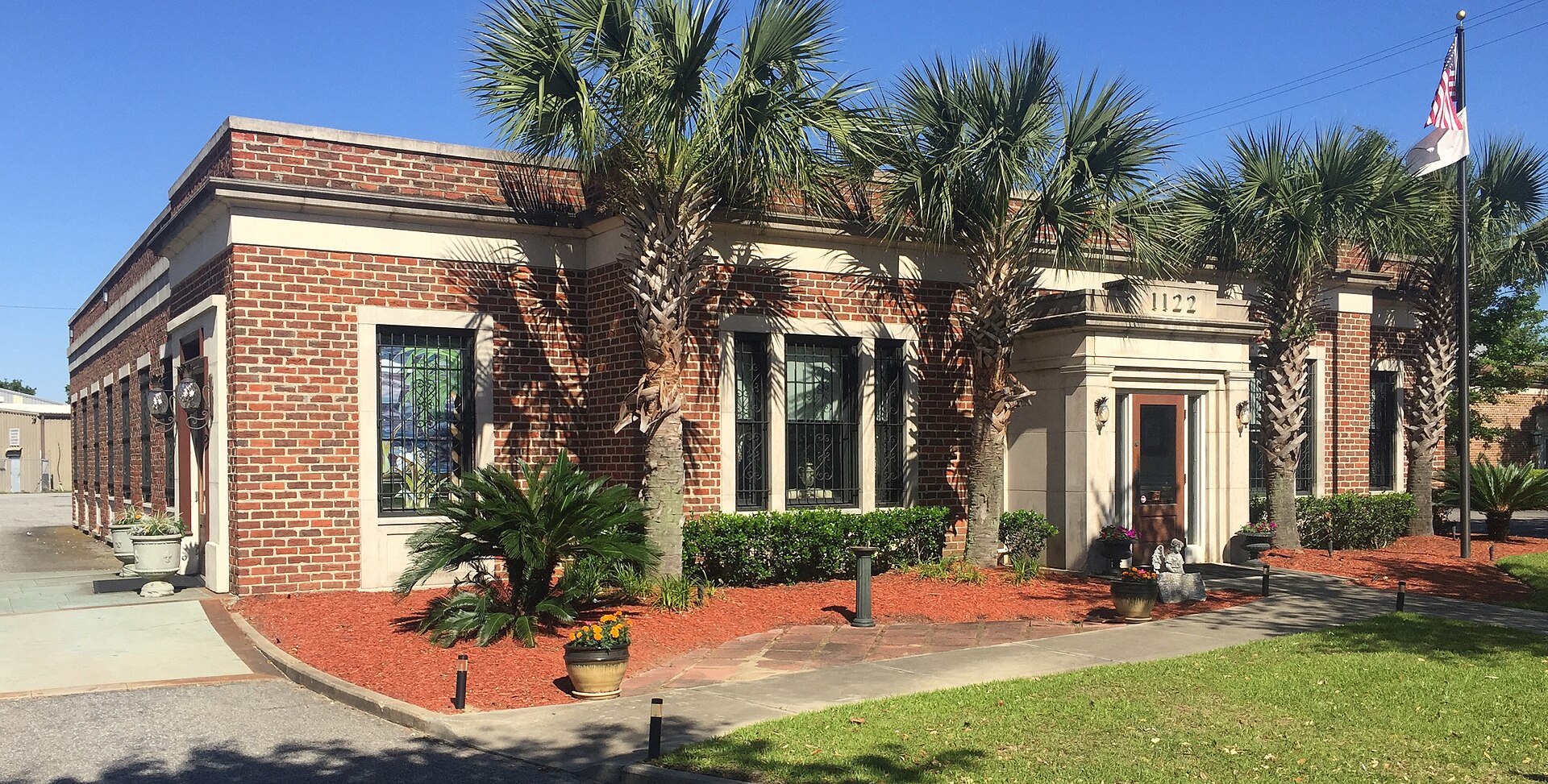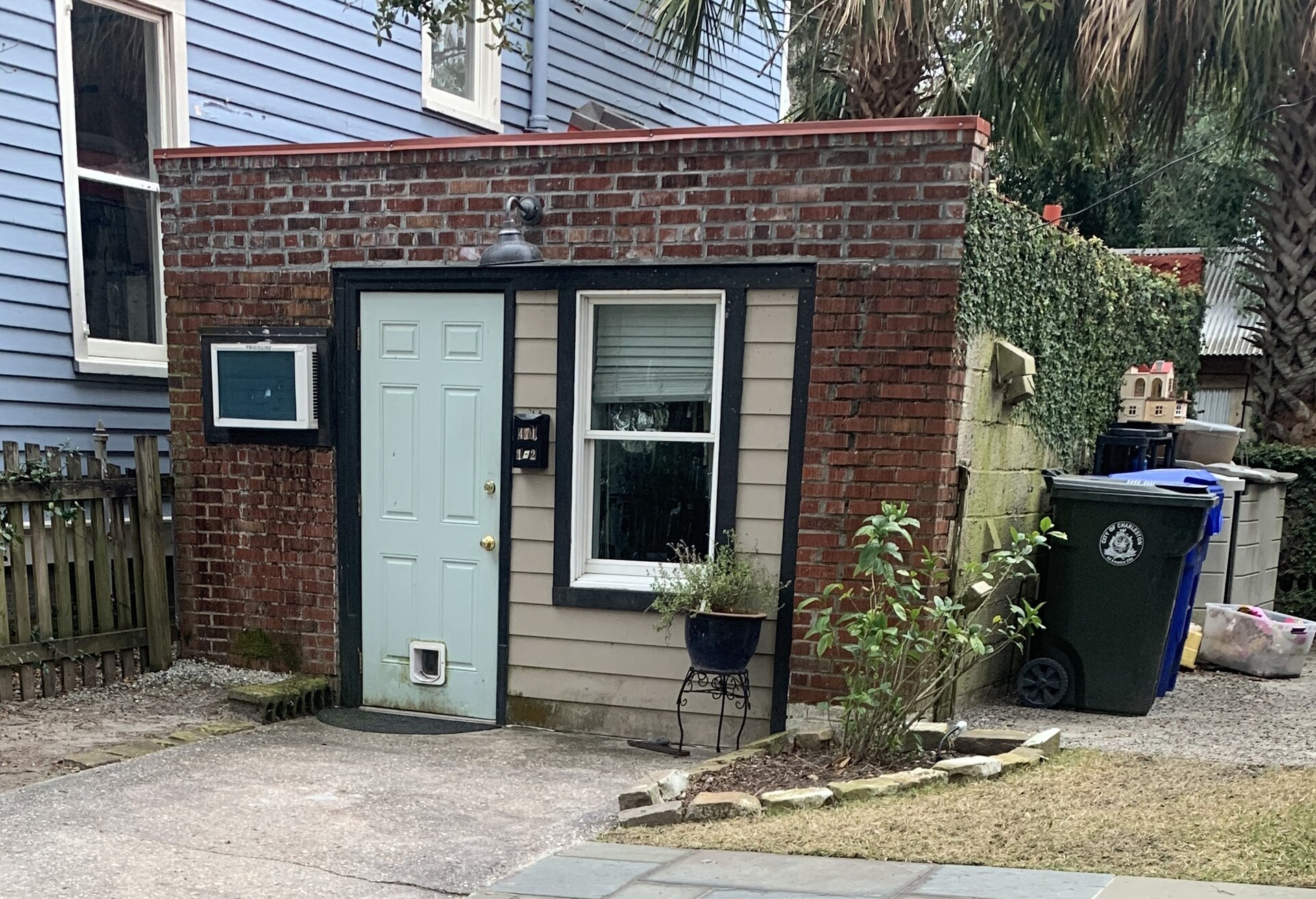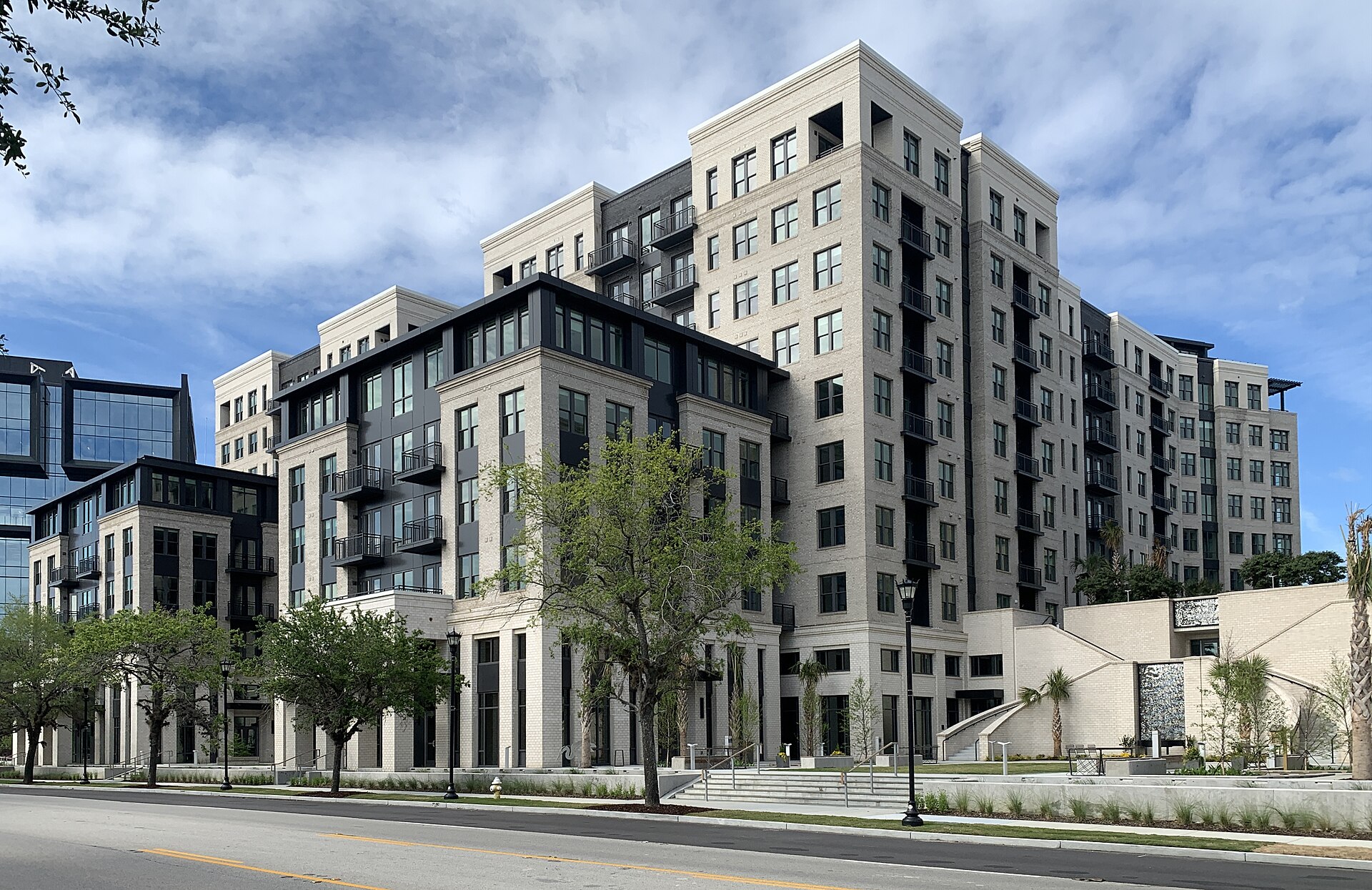
Peninsula of Charleston outside of Crosstown offers the upper peninsula area beyond the U.S. 17 Crosstown, where historic neighborhoods, industrial land, new development, and community institutions meet.
Discover Local CommunitiesThe phrase is an editorial boundary rather than a Census geography and needs a mapped polygon before numerical data is published. Here, housing includes traditional neighborhood homes, apartments, renovated buildings, and newer mixed-use or infill projects.
The area is more varied and generally less uniformly walkable than the lower peninsula, with conditions changing quickly from one corridor to another.
Conditions can vary by street, development, and jurisdiction, so property-level due diligence remains important.
Hampton Park, recreation facilities, cultural venues, and nearby waterfront projects add options. School zoning remains address-specific.
School note: Attendance zones, program eligibility, and transportation can change. Confirm every assignment with the district using the full property address before making a housing decision.
Upper King, Meeting, Morrison, and neighborhood corridors provide a growing mix of restaurants, shops, and services.
The upper peninsula is the part of Charleston north of the Crosstown, the stretch of Septima P. Clark Parkway that carries US 17 across the peninsula and has divided the city informally since it was completed in 1967. The range of upper peninsula homes for sale runs from condominiums around $350,000 to renovated houses well above $1.5 million. It holds Wagener Terrace, Hampton Park Terrace, North Central, and the redeveloped industrial ground along Morrison Drive, and it is where most of the peninsula's building of the past decade has happened.
One comparison explains why buyers come here. Local brokerage guidance puts South of Broad at roughly $700 to $1,200 or more per square foot, while Wagener Terrace and the neighborhoods around it run in the $350 to $550 range. That is roughly half, on the same peninsula, within a couple of miles. A buyer who wants a house on the Charleston peninsula and cannot reach the lower half is not out of options; they are looking at a different half of the same island, with the same walkability and a shorter history of being expensive.
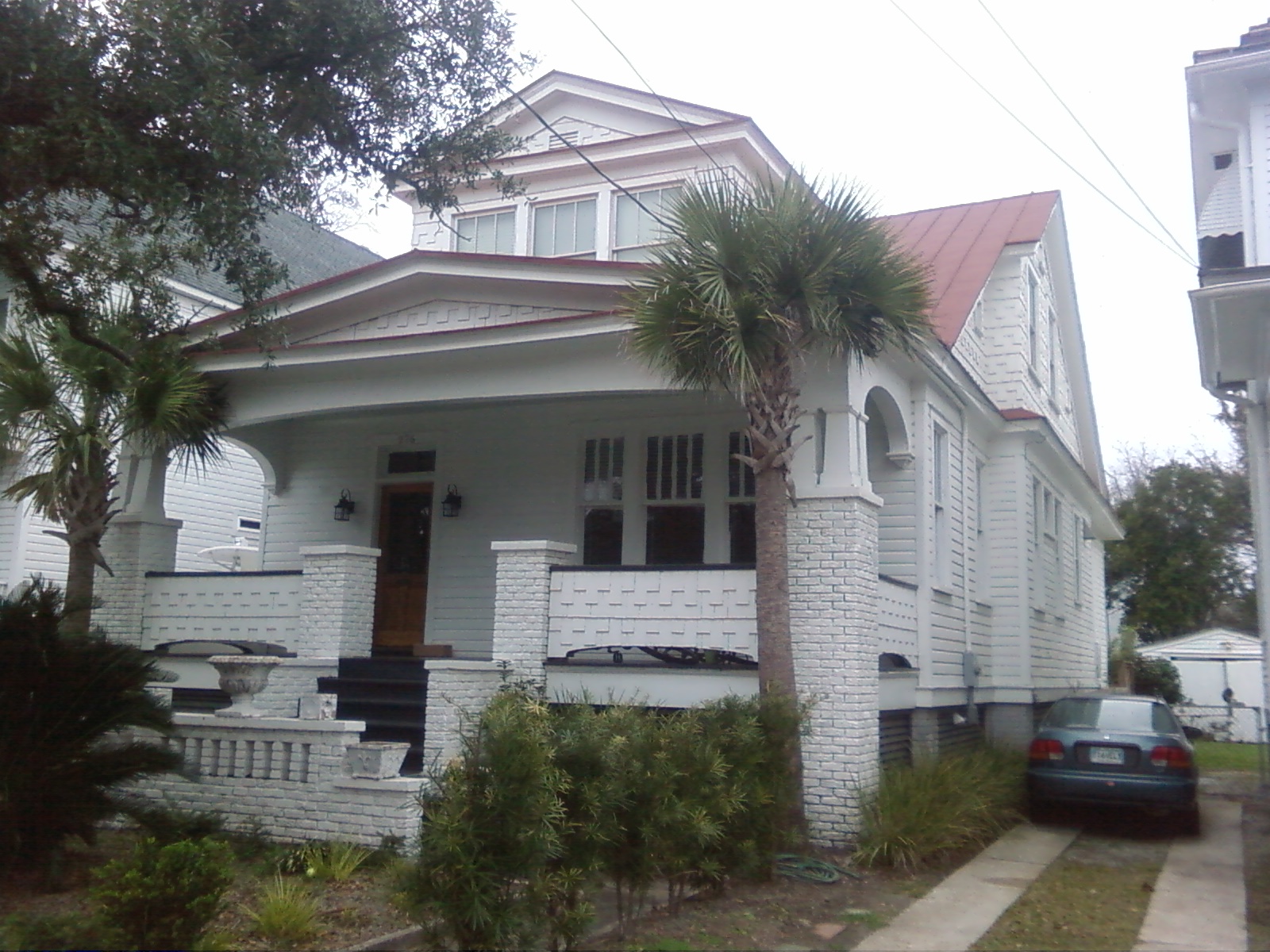
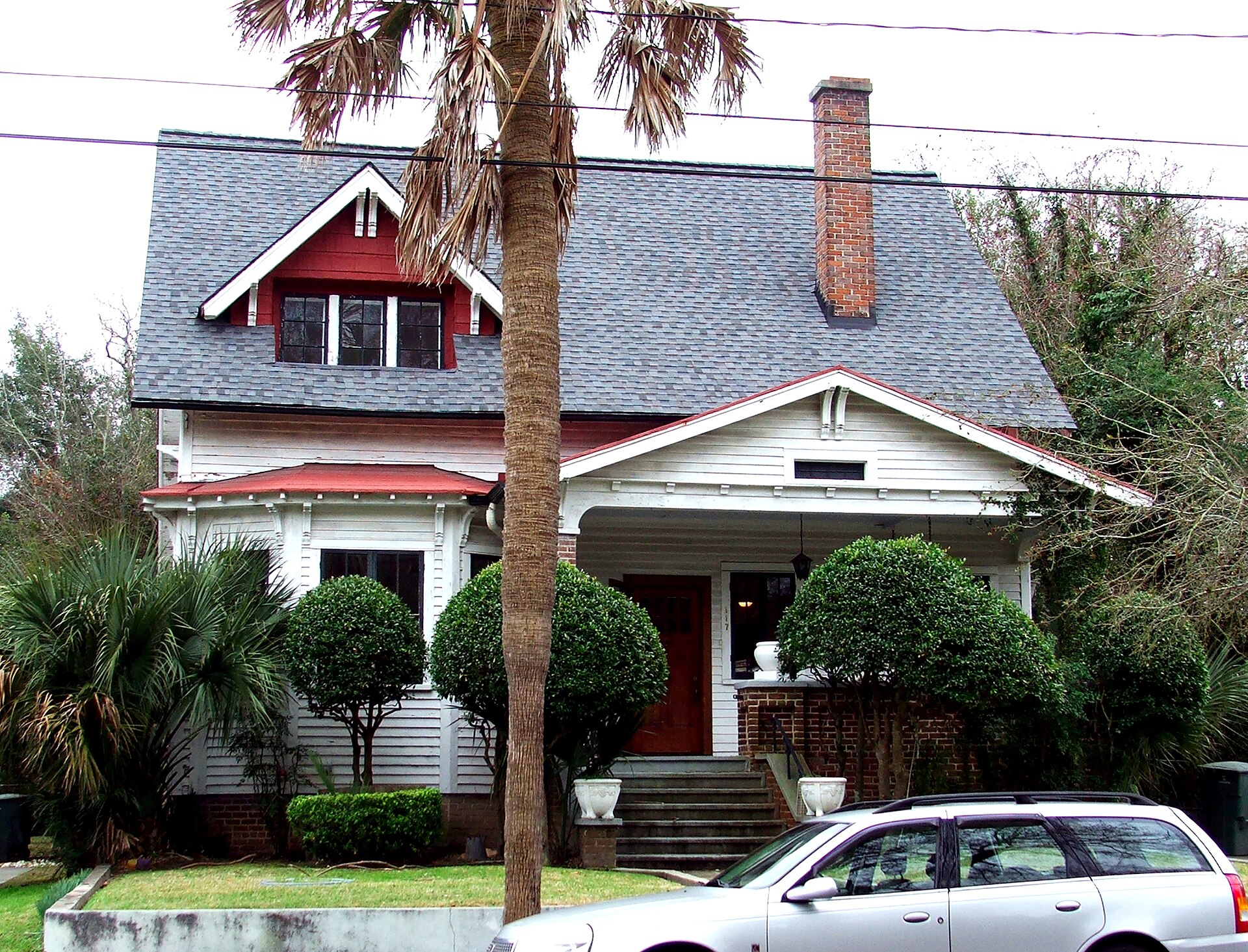
What the price gap reflects is age and pattern rather than distance. The lower peninsula is the historic core, protected by design review and priced accordingly. North of the Crosstown the housing is largely early twentieth century bungalows and cottages rather than eighteenth and nineteenth century townhouses, the streets run to a looser grid, and a substantial amount of former industrial ground has been redeveloped. Wagener Terrace has been reported at around $650,000 and above, which places it well below the lower peninsula and well above the Charleston city median.
The Andy Bovender Team serves the upper peninsula from a Compass office at 708 South Shelmore Boulevard in Mount Pleasant, across the Cooper, alongside offices in Charlotte, Columbia, Wilmington, Fort Mill, Greenville, Lake Murray, and the Outer Banks. Two things follow. First, the neighborhoods here differ from one another more than their proximity suggests, and a buyer should establish which one an address is actually in rather than relying on an upper peninsula description. Second, this is still the peninsula: flood zone, base flood elevation, elevation certificate, and insurance cost with its trend apply here as they do south of the Crosstown, and on redeveloped industrial ground the site history is worth establishing as well.
Peninsula Living at Roughly Half the Per-Foot Cost
Wagener Terrace and the neighborhoods around it have been running $350 to $550 per square foot against $700 to $1,200 and more South of Broad. Same peninsula, same walkability, roughly half the rate.
Hampton Park
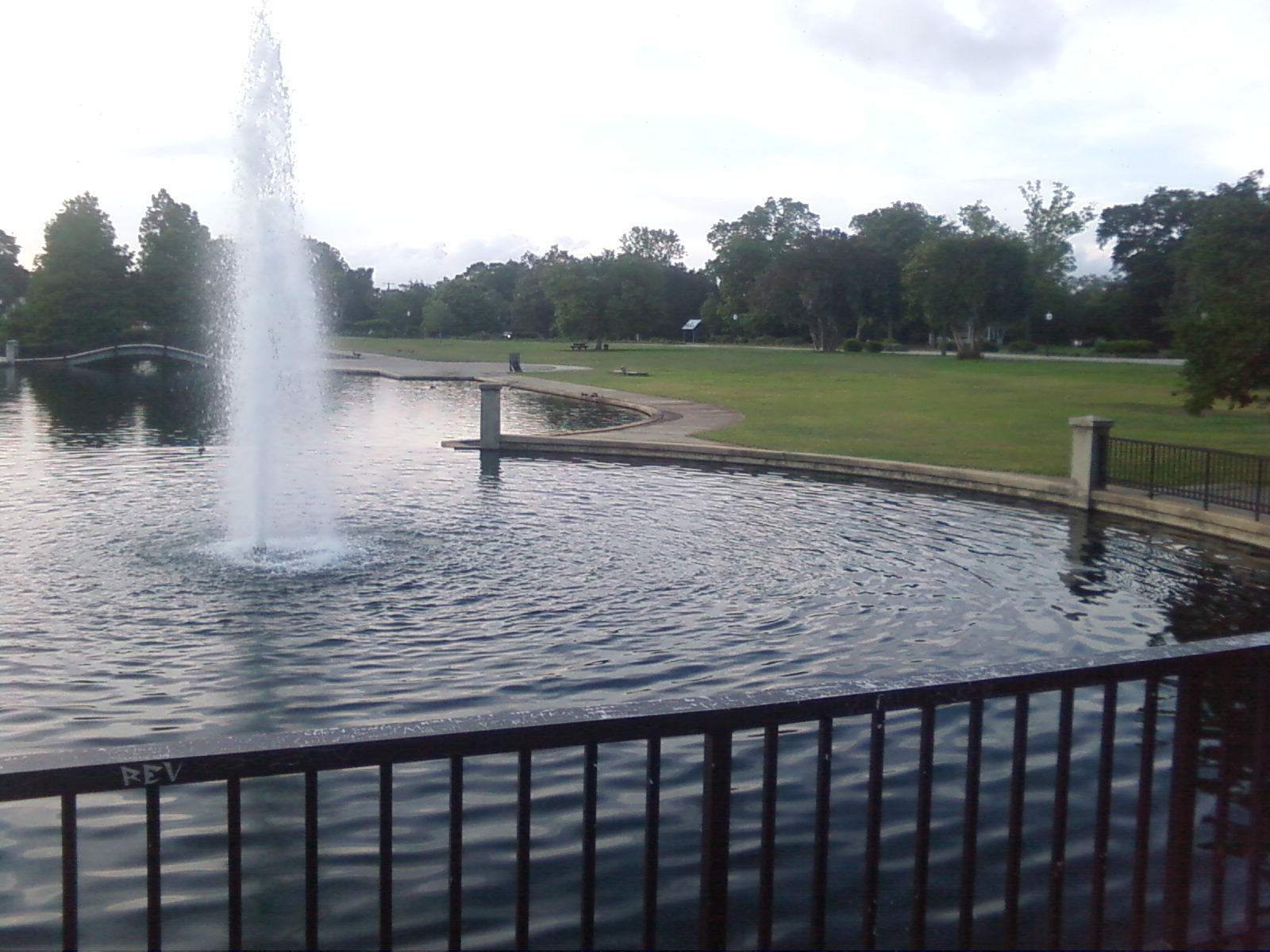
Hampton Park is the largest park on the peninsula, with a lagoon, gardens, a walking and running loop, and mature live oaks, and it anchors the neighborhoods around it. Nothing south of the Crosstown compares to it in scale.
A Restaurant Scene That Grew Out of Warehouses
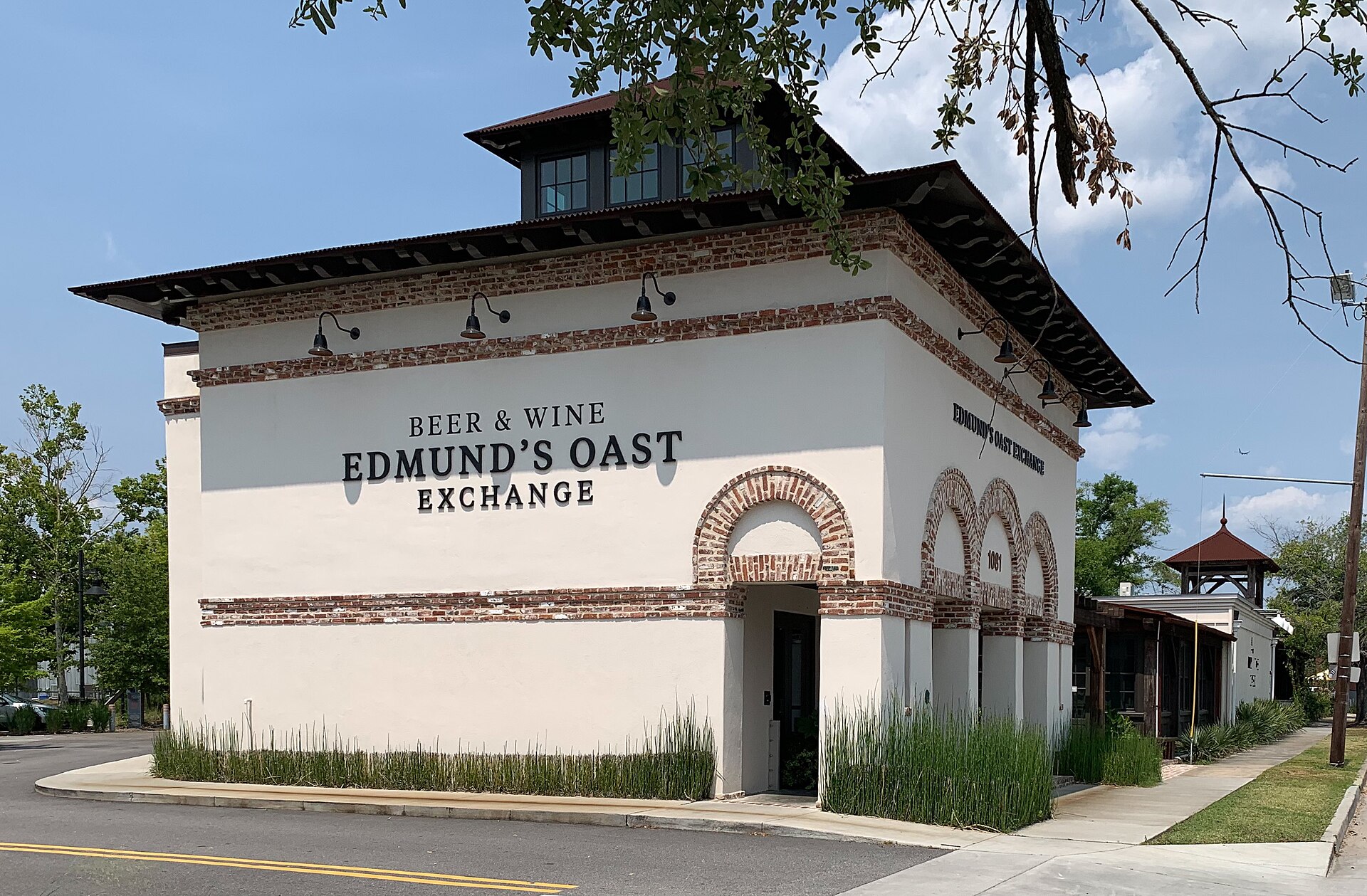
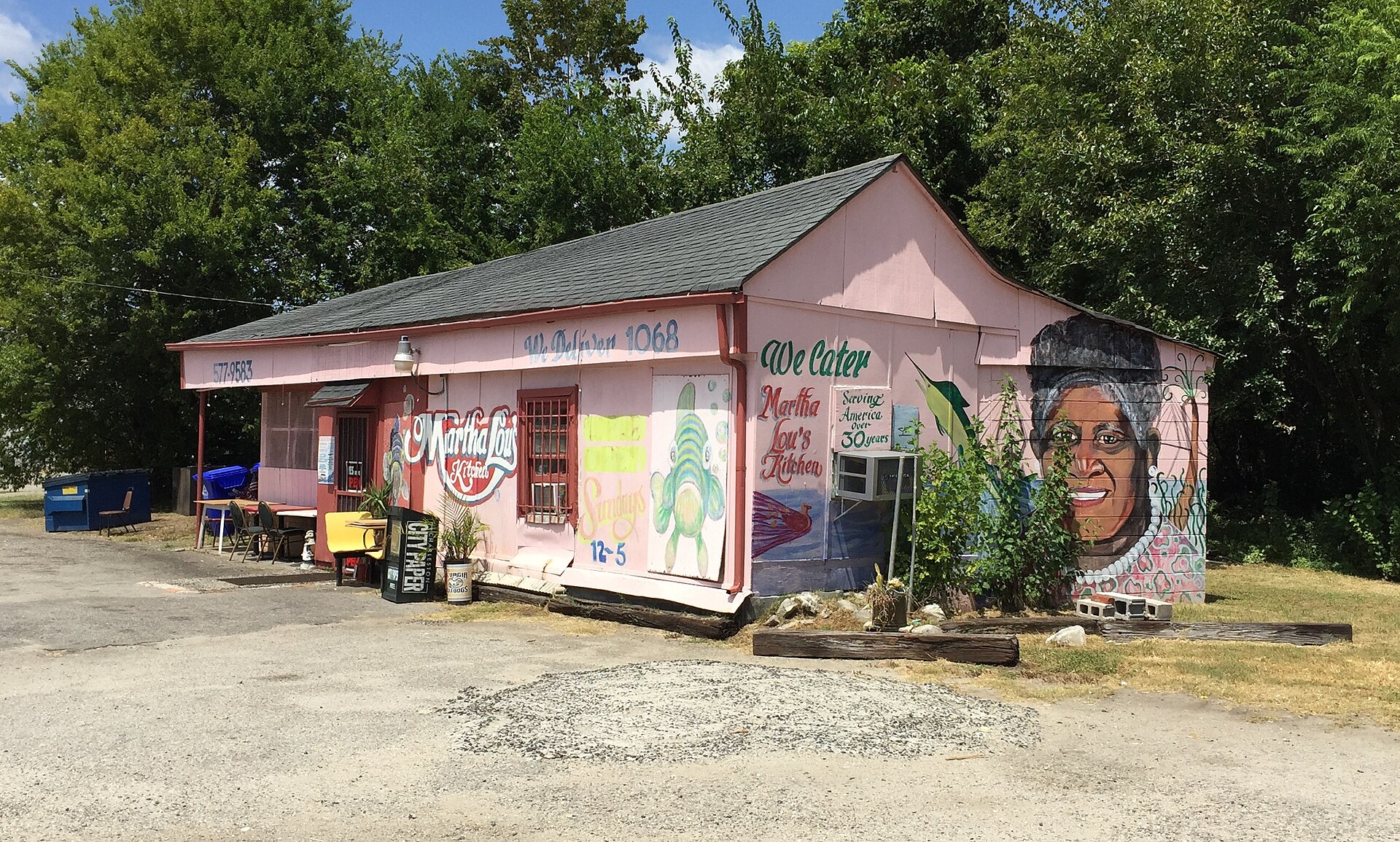
The Morrison Drive corridor has turned former industrial ground into one of the city's better eating and drinking districts, with Edmund's Original and Heavy's Barburger among the anchors. It is the newest part of the peninsula's food scene.
Bungalows Rather Than Townhouses
The housing here runs to early twentieth century bungalows and cottages on their own lots rather than the older attached stock to the south. Buyers get a yard, a porch, and off-street parking in places, which the lower peninsula rarely offers.
Still Walkable, Still the Peninsula
This is the same island, a couple of miles from the historic core, with the same grid and the same ability to walk or cycle to most of what you need. The Crosstown is a road rather than a border.
Where the Peninsula Is Still Changing
Most of the recent building on the peninsula has happened north of the Crosstown, which means newer construction and continuing redevelopment alongside the older housing. Buyers should ask what is approved nearby, because this half of the peninsula is not finished.
North of the Crosstown the peninsula divides into distinct neighborhoods that differ more from each other than their proximity suggests. Four cover it.
Wagener Terrace
Wagener Terrace sits on the western side of the upper peninsula along the Ashley, and it is the best known of these neighborhoods and generally the most expensive, reported at around $650,000 and above. Product runs to early twentieth century bungalows and cottages on their own lots, many renovated, with newer infill alongside and some marsh and river outlook on the western edge. It carries a settled residential character that the corridor areas do not, and it is where a buyer looking for a house with a yard on the peninsula most often lands. Establish the elevation certificate and base flood elevation for the specific parcel, because the western edge is low, and on a renovated bungalow establish what the work actually did and under what permit.
Hampton Park Terrace and the Park Blocks
The streets around Hampton Park form a compact historic neighborhood of early twentieth century houses on a regular grid, with the park itself as the amenity and The Citadel adjacent. Product runs to bungalows, four-squares, and small period houses, generally on modest lots and often renovated. This is the most conventionally attractive residential ground north of the Crosstown and it prices accordingly within the upper peninsula range. The diligence is the usual older-housing set: systems, foundation, and permit history on renovations. Establish also whether any historic designation applies, because that would affect what an owner may alter externally.
North Central and the Interior Streets
Between the park neighborhoods and the eastern side, North Central and the interior streets hold a substantial share of the upper peninsula's housing and generally its most accessible pricing. Product runs to smaller early twentieth century houses and cottages, with condition and renovation status varying enormously street by street and sometimes house by house. This is where a buyer gets onto the peninsula at the lowest entry point, and it is where the difference between a renovated house and an unrenovated one is largest. Look at what has been done to the surrounding block as well as to the house, because in an area changing this quickly the street's trajectory matters to value.
The Morrison Drive and Upper King Corridor
The eastern side along Morrison Drive and the upper end of King Street is the peninsula's redevelopment frontier, where former industrial and warehouse ground has become restaurants, breweries, offices, and newer residential. Product here runs to condominiums, townhomes, and recent construction rather than period housing, and it is the most urban position on the upper peninsula. What a buyer gains is the shortest walk to the newest part of the city's food scene. What a buyer accepts is ongoing construction, changing views, and the questions that attach to redeveloped industrial ground. Ask what is approved on adjacent parcels and establish the site's prior use.
Property Types Across the Upper Peninsula
Four categories cover it. Renovated early twentieth century bungalows and cottages are the character stock and the volume of the market. Unrenovated period houses are the entry point and the widest in condition. Newer condominiums and townhomes, concentrated along the eastern corridor, are the most urban option. Recent infill construction appears throughout. Across all four, five questions decide value here: which neighborhood the address is actually in, what any renovation did and under what permit, elevation and base flood elevation with the resulting insurance cost, whether any historic designation applies, and on the eastern side, the site's prior use and what is approved nearby.
The upper peninsula's dining is concentrated along Morrison Drive and the upper end of King Street, in what was industrial ground a decade or two ago, and it is the newest part of Charleston's food scene rather than the historic part.
Edmund's Original, formerly Edmund's Oast, at 1081 Morrison Drive, is the corridor's anchor, working gastropub cooking through pork shank, soft shell crab, fried chicken, and pimento cheese alongside one of the deepest beer lists in the city, with a large outdoor area. Open seven days, from 3 on weekdays and from 11 at weekends.
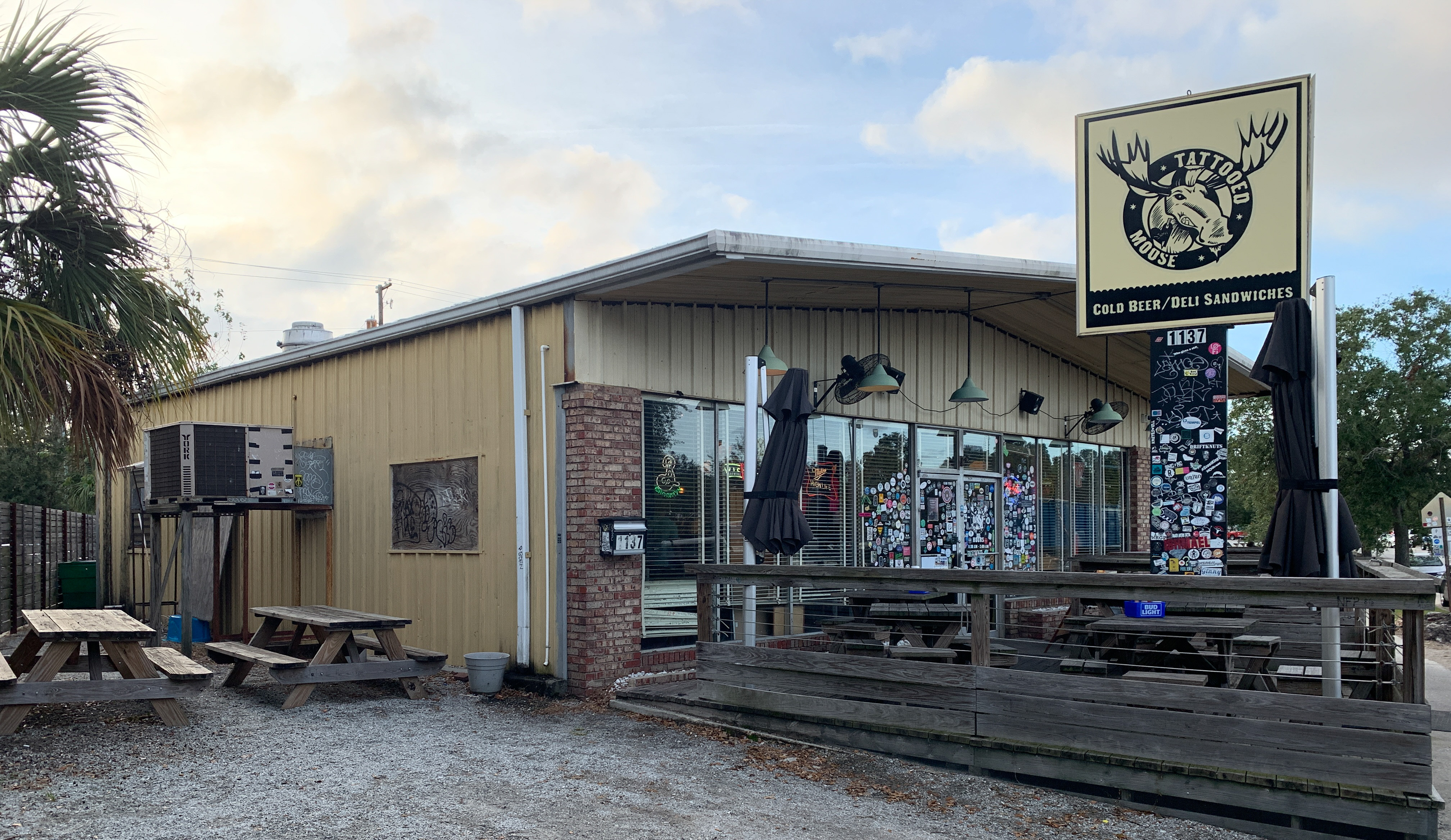
Heavy's Barburger, at 1137 Morrison Drive, does smash burgers, wings, mahi sandwiches, and sweet potato fries with gluten-free options and a casual room. Open seven days until 10, and it stays busy.
Further options sit along upper King Street and through the corridor, and the lower peninsula's restaurant scene is a short walk or ride south across the Crosstown, covered on the inside-of-Crosstown page.
The upper peninsula handles daily life better than the lower half does, which is one of the practical advantages of living up here. Grocery stores sit north of the Crosstown within reach of most of these neighborhoods, and the corridor areas carry services, coffee, and independent retail alongside the restaurants. That matters because the lower peninsula's grocery provision has been a standing complaint for years, and it is the reverse here. For a wider retail run, the Crosstown carries traffic out to West Ashley in a few minutes, Mount Pleasant is across the Ravenel, and North Charleston carries the region's largest retail concentration to the north, all covered on their own pages. Buyers should note that the Crosstown itself is a limited-access road cutting the peninsula in two, so crossing it on foot or by bicycle is less straightforward than the short distance suggests.
Hampton Park is the upper peninsula's centerpiece and the largest park on the peninsula, with a lagoon, gardens, mature live oaks, and a loop that residents use for walking and running through the day. It is the reason the neighborhoods around it carry the character they do, and there is nothing comparable in scale south of the Crosstown. Beyond it, the western edge along the Ashley gives marsh and river outlook, and the peninsula's grid makes cycling practical across the whole upper half.
Beyond the immediate area, the rest of Charleston is close. The lower peninsula is a short ride south across the Crosstown, with the museums, the theaters, the historic district, and the established restaurant scene, all covered on the inside-of-Crosstown page. West Ashley is a few minutes west across the Ashley with its Avondale restaurants and its own page. Mount Pleasant is across the Ravenel with Shem Creek, and North Charleston is north with the airport and the region's largest retail, both with their own pages. The practical summary is that the upper peninsula gives a buyer the same island at a different price, with a shorter history of being expensive and more of its change still ahead of it.
The Charleston peninsula outside the Crosstown is known as the upper peninsula, the area north of the Septima Clark Parkway. It is recognized for the neighborhoods around Hampton Park and the Citadel, including Hampton Park Terrace, Wagener Terrace, and North Central, along with rapid revitalization in the North Morrison, or NoMo, district.
Living on the upper peninsula offers a residential, increasingly walkable lifestyle with larger lots and less tourist traffic than the historic core. Residents enjoy 64-acre Hampton Park, early-1900s homes, and a growing dining scene, with downtown attractions a short drive or bike ride away. The area appeals to families and buyers seeking relative value downtown.
Homes outside the Crosstown are more affordable than the historic lower peninsula but still command Charleston prices. Small condos start in the high $100,000s, renovated bungalows and single houses commonly run from about $700,000 to $1.5 million, and larger historic homes in Hampton Park Terrace reach $2 million or more.
The upper peninsula offers early-1900s bungalows, Craftsman and Colonial homes, classic Charleston single houses, renovated cottages, small multifamily properties, and newer infill and condos, with significant new construction in the NoMo district. Many older homes have been updated with patios, yards, and off-street parking. Because much of the peninsula is low-lying, buyers should review elevation, flood zones, and insurance.
The upper peninsula sits north of the Crosstown in the City of Charleston, South Carolina, bordered by the Ashley and Cooper rivers. The Citadel, Hampton Park, and the Riverdogs stadium are close by, the historic lower peninsula and King Street are just to the south, and Interstate 26 leads to Charleston's suburbs and airport.

The Andy Bovender Team pairs deep Carolinas market knowledge with the reach of Compass. Expect straight answers, sharp preparation, and a process that stays simple, whether you are buying, selling, or both.