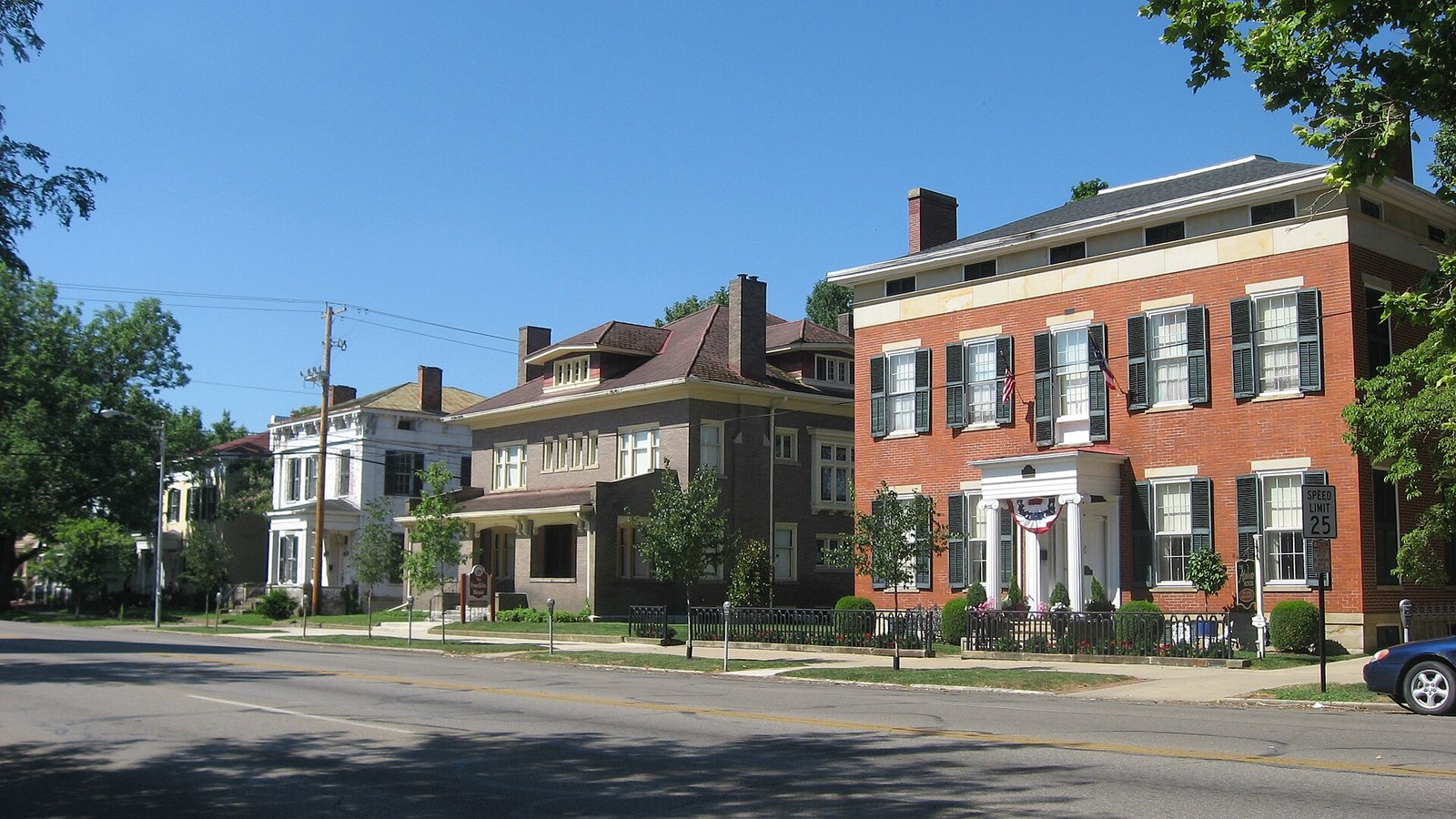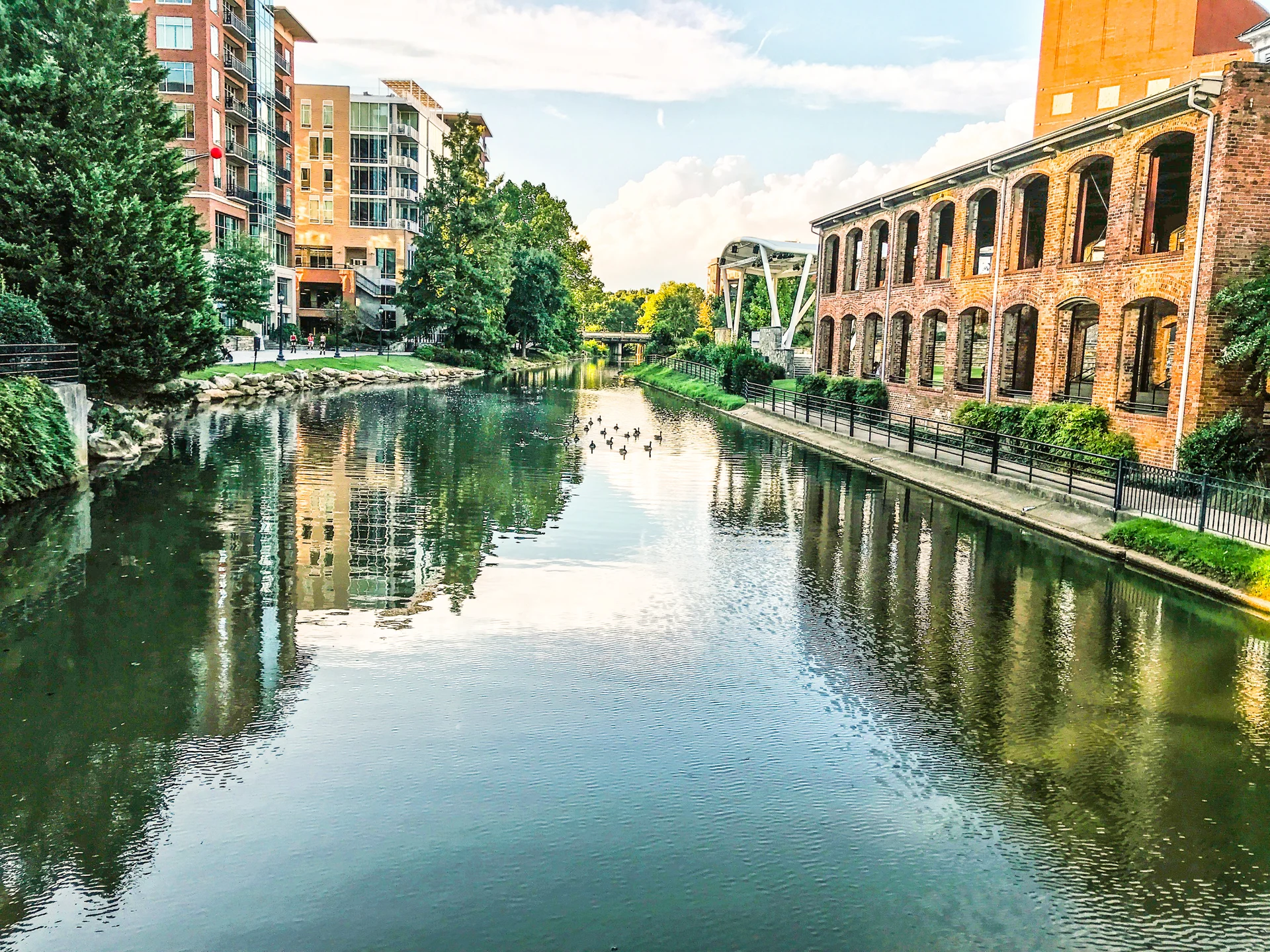
Overbrook Historic District offers a locally designated Greenville historic district east of downtown whose development was connected to the city's former trolley era.
Discover Local CommunitiesThe historic overlay is a defined preservation area but does not necessarily match every use of the broader Overbrook neighborhood name. Here, housing features early-20th-century homes, bungalows, and later infill on established streets.
Residents are close to downtown, major medical and employment areas, and east-side services, with a mix of walking, biking, and driving.
Conditions can vary by street, development, and jurisdiction, so property-level due diligence remains important.
City parks, downtown cultural venues, and the Swamp Rabbit Trail network are nearby. School attendance must be verified by address.
School note: Attendance zones, program eligibility, and transportation can change. Confirm every assignment with the district using the full property address before making a housing decision.
Nearby East North Street, Laurens Road, and downtown provide restaurants, groceries, and local services.
Overbrook is a historic residential neighborhood east of downtown Greenville, and the range of Overbrook homes for sale has been recorded from $225,000 to $915,000 around a median of $445,000 to $475,000. The city's own account traces the neighborhood's origins to the expansion of the Greenville trolley line, which places its development in the streetcar era and explains its layout: close-in, walkable in scale, and built before the car shaped the city's later suburbs.
Among Greenville's close-in neighborhoods, Overbrook is the accessible one. A property platform recorded a May 2026 median home price of $475,000 with an average sale price of $514,010, a twelve-month median sale price of $445,000 up 2 percent, 43 days on market against a national average of 58, and fourteen houses for sale. A Redfin neighborhood figure gives $425,000. Against North Main and the Augusta Street area, both of which sit near $915,000, Overbrook is less than half the price and it is closer to the city's overall median.
The pace is the other distinction. Forty-three days on market is faster than the Greenville city figure of 52 to 64 days depending on source, and it is faster than either of the city's expensive established neighborhoods. A twelve-month median up 2 percent alongside that pace describes a market that is steady and clearing rather than one moving sharply in either direction, which on a close-in historic neighborhood at an accessible price point is what would be expected.
The Andy Bovender Team serves Overbrook from Compass offices across the Carolinas, including Greenville, alongside Charlotte, Charleston, Columbia, Fort Mill, Lake Murray, Wilmington, and the Outer Banks. Two things follow. First, on a neighborhood spanning $225,000 to $915,000, comparables must match on size, era, and condition, because the range here is nearly fourfold. Second, this is a historic neighborhood and the first question on any property is whether a local preservation overlay applies to it, because that determines what an owner may change and it is not answerable from a listing.
A Streetcar Neighborhood, Built Before Cars
The city's own account traces Overbrook's beginnings to the expansion of the Greenville trolley line, which is why it is laid out close-in and at walking scale rather than as a later car-era suburb.
Half the Price of Greenville's Other Historic Streets
Overbrook's median has been recorded between $425,000 and $475,000 against North Main and Augusta Street both near $915,000. For a close-in historic neighborhood, that gap is the reason to look here.
It Sells Faster Than the City
Forty-three days on market against a Greenville figure of 52 to 64 and a national average of 58. Property here moves, which matters as much for resale as for buying.
A Range From $225,000 to $915,000
The neighborhood spans nearly fourfold in price, which means it accommodates very different buyers and that a single figure will not describe it.
Wade Hampton's Independent Kitchens Nearby
Half Rooted and Sunflower both sit on the Wade Hampton corridor at 4.8 ratings, one Colombian and one a breakfast and bakery room. Both are close and both are genuinely good.
Five Minutes From Downtown
Listing descriptions place Overbrook about five minutes from downtown Greenville, with Main Street, Falls Park, and the city's employers covered on the Greenville page.
Overbrook spans nearly fourfold in price within one historic neighborhood, so what varies is era, condition, and size rather than location. Three groupings and one set of questions cover it.
The Original Streetcar-Era Housing
The neighborhood's older stock dates from its development along the trolley line and it is what the historic district name refers to. On housing of that age, establish the structural and envelope condition, the systems, and what every renovation did and under what permit, and budget for the maintenance profile of a house that may be a century old. Then establish the designation question directly: whether the property sits within a local preservation overlay, which would require a Certificate of Appropriateness from the city's Historic Review Board for exterior changes, or whether any historic status is National Register listing only, which does not restrict alterations. Those are entirely different propositions for an owner and only the city can confirm which applies.
Renovated and Newer Infill
Overbrook carries renovated older houses and newer construction on infill lots alongside its original stock, and listing descriptions reference recently built craftsman-style homes designed for low-maintenance living. This is where a buyer gets the neighborhood without the maintenance profile of a century-old house, and it is a substantial part of why the price range is so wide. Establish what any renovation did and whether it was permitted, and on newer infill establish whether it was built under any design review, because in a designated district new construction is frequently subject to the same guidelines as alteration.
The Accessible End
At the bottom of the range, Overbrook has recorded houses from around $225,000, which for a close-in historic neighborhood in a city where the median sits between $362,000 and $480,000 is genuinely unusual. Property at that level will generally need work, and the questions are the ordinary ones: condition, systems, what has been deferred, and what a realistic renovation budget looks like. Add the designation question, because if a preservation overlay applies then the work a buyer intends may require review and the guidelines may constrain materials and methods in ways that affect cost.
What to Establish Before an Offer
Six questions decide an Overbrook purchase. Whether the property sits within a local preservation overlay or is only National Register listed, since those mean different things for what may be changed. If an overlay applies, what the Certificate of Appropriateness process requires and how long it takes. The build era and condition of the specific property. What any renovation did and whether it was permitted. Comparables matched on era and condition, since the neighborhood spans nearly fourfold. And on any property needing work, what the guidelines permit before the renovation budget is set.
Overbrook's nearest independent kitchens sit on the Wade Hampton corridor at the neighborhood's edge, and both are unusually well rated.
Half Rooted, at 1419 Wade Hampton Boulevard, is the Colombian room, working patacones with pineapple habanero and slaw, arepas, and a colorful plated menu, in a bright space with an owner reviewers mention by name. Closed Mondays, with separate lunch and dinner services.
Sunflower Breakfast, Lunch and Bakery, at 728 Wade Hampton Boulevard, is the breakfast and bakery room, doing a house brioche breakfast sandwich, cinnamon roll bread pudding, burritos, cinnamon rolls, and cookies, with the breakfast menu served all day. Open Monday to Saturday, closed Sundays.
Beyond the corridor, downtown Greenville is a short drive west with Main Street's restaurants and the city's full range, covered on its own page, and the West End below it, covered in this volume.
Overbrook does its everyday shopping on the corridors around it, principally Wade Hampton Boulevard, which carries grocery, pharmacy, retail, and services along its length. That covers daily life without going into the city, which for a close-in neighborhood at this price point is part of the appeal. For a wider run, downtown Greenville is a short drive west with Main Street and the city's full range, covered on its own page, and larger-format retail sits on the corridors further out. Buyers should note that Wade Hampton Boulevard is a working corridor carrying commuter traffic into the city, and that how close a specific street sits to it changes both the errand run and the traffic exposure.
Overbrook's appeal is the neighborhood itself: a close-in, walking-scale area that grew along a streetcar line and retains that form. Descriptions of the area reference community events including holiday block parties and beautification days, which for a residential neighborhood suggests an active association and is worth confirming. The City of Greenville and Greenville County both operate parks and recreation programs, and the neighborhood's position places downtown's facilities within a short distance.
Beyond Overbrook, Greenville opens west and the Upstate beyond. Downtown Greenville is a short drive with Main Street, Falls Park, and the city's employers, covered on its own page, with the West End below it and North Main to the north, both covered in this volume, and the Augusta Street area south. Further out, Taylors and Greer lie northeast along the Wade Hampton corridor, Travelers Rest north, and Five Forks and Simpsonville southeast, all with their own pages. The practical summary is that Overbrook is Greenville's accessible close-in historic neighborhood, faster-selling than the city and at less than half the price of its expensive counterparts.
Overbrook Historic District is known as one of Greenville's earliest streetcar suburbs, established after the trolley line expanded in 1910. It is recognized for tree-lined streets, early 20th-century homes, and a close-knit community just east of downtown. Local anchors include Fork and Plough, a farm-to-table restaurant and butcher, along with neighborhood spots such as Scout's Doughnuts and Clare's Creamery.
Living in Overbrook combines historic character with quick access to downtown Greenville. Neighbors gather on front porches, walk to local cafes, and use the Swamp Rabbit Trail extension that links the area to North Main and downtown. Parks such as Hessie Morrah Park and Timmons Park sit within the neighborhood, and it appeals to both families and professionals.
Homes in Overbrook typically range from the high $300,000s to the mid $600,000s, depending on size and renovation level. Restored historic bungalows and larger two-story homes command the upper end, while smaller cottages and homes needing updates fall lower.
Overbrook features Craftsman bungalows, Colonial Revival and Queen Anne houses, and larger early-1900s homes built for professionals, many now renovated. Newer construction sits toward the eastern side, including board-and-batten and traditional homes on quarter-acre lots. Sizes run from small cottages to spacious two-story residences.
Overbrook lies just east of downtown Greenville, South Carolina, near East North Street. It is less than a mile from Bob Jones University and within a short drive of Main Street, Cleveland Park, and the Swamp Rabbit Trail. Greenville Technical College and downtown medical services are also nearby.

The Andy Bovender Team pairs deep Carolinas market knowledge with the reach of Compass. Expect straight answers, sharp preparation, and a process that stays simple, whether you are buying, selling, or both.