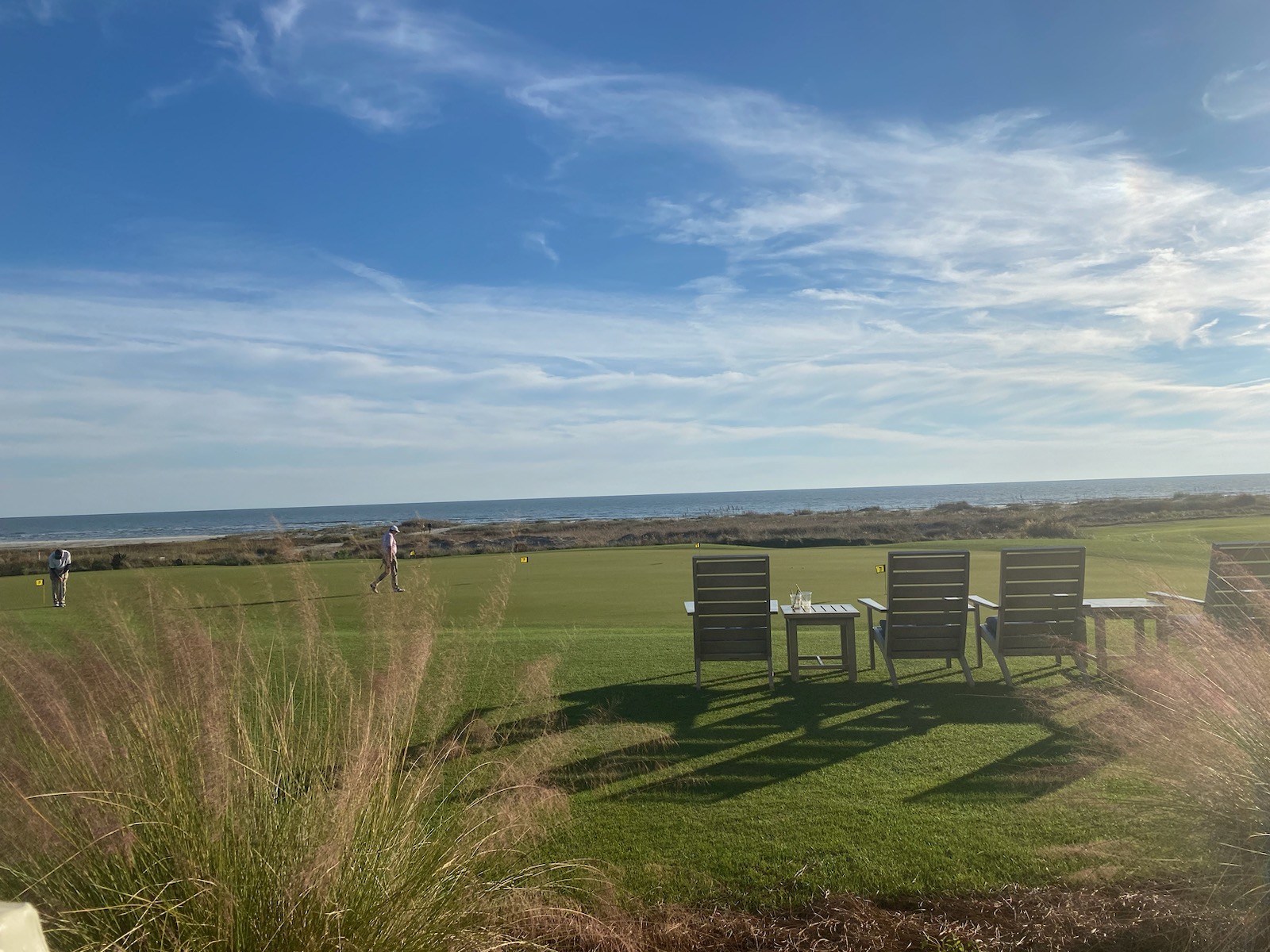
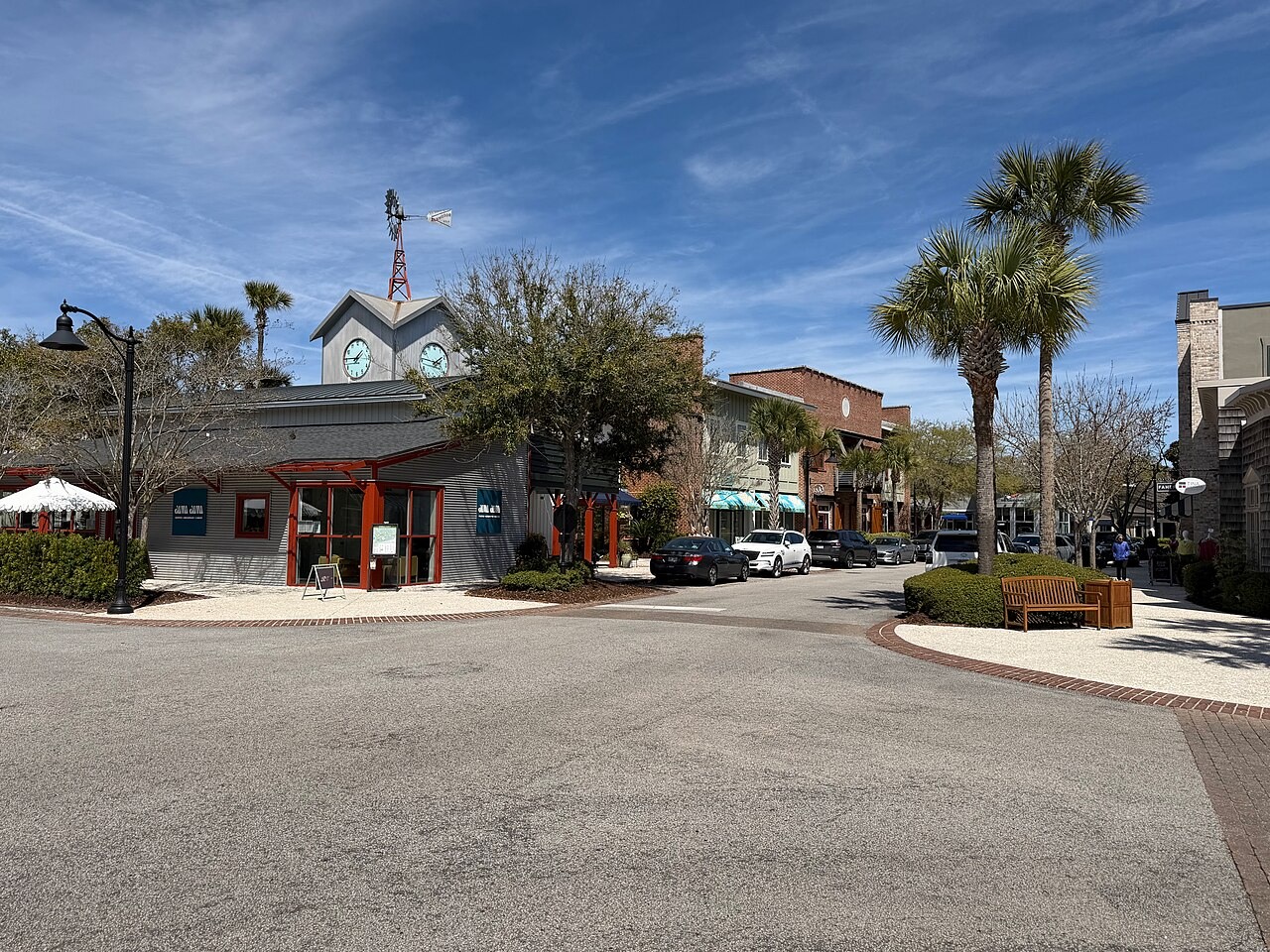
Johns Island offers a large, partly rural Lowcountry island with growing residential areas, farms, waterways, and connections toward Charleston's urban core and nearby resort islands.
Discover Local CommunitiesThe island includes City of Charleston and unincorporated Charleston County areas without a single Census boundary. Here, housing ranges from acreage and older rural homes to subdivisions, townhomes, and waterfront properties.
Most trips require a car, and buyers should consider road access, flooding, wells or septic systems where applicable, and changing development patterns.
Conditions can vary by street, development, and jurisdiction, so property-level due diligence remains important.
Angel Oak Park, Johns Island County Park, paddling, boating, and nearby beaches support outdoor life. School assignments must be verified by address.
School note: Attendance zones, program eligibility, and transportation can change. Confirm every assignment with the district using the full property address before making a housing decision.
Maybank Highway has a growing collection of restaurants and services, while larger shopping trips often continue to James Island, West Ashley, or Charleston.
Johns Island is the largest island in South Carolina by land area, sitting ten to fifteen miles southwest of downtown Charleston between the Stono and Kiawah rivers, and it is unlike any other market covered on this site. It holds working farms, protected wetlands, tidal creeks, a live oak estimated at several hundred years old, suburban subdivisions, a genuine restaurant destination on Maybank Highway, and the road access to Kiawah and Seabrook islands. The range of Johns Island homes for sale runs from around $300,000 to well above $3 million, and one data platform puts the spread of estimated values on the island from about $67,000 to over $8.1 million.
That range tells you most of what you need to know about this market. A 120-fold spread between the bottom and top of an island's housing stock is extraordinary, and it exists because Johns Island is genuinely several markets sharing one name: rural acreage and farmland, established island housing on creeks and lanes, large new subdivisions built for Charleston commuters, and estate property near the Kiawah and Seabrook approaches. A hundred-acre tract with a lake and cultivated fields and a townhome in a new subdivision are both Johns Island, and no median describes both.
The published medians reflect that, differing by measure rather than contradicting. Redfin recorded about $660,000 over the three months ending May 2026, up 7.3 percent, with 235 sales in May against 213 and 77 days on market against 69. One aggregator gave a June median of $729,999 across 422 sales and a July median listing price of $699,000, down about 6 percent, at about $303 per square foot. A local brokerage series shows the median rising from $600,000 in 2023 to $645,000 in 2025 with days on market lengthening from 24 to 47 and sold-to-list ratios holding near 99 percent. Read together: prices appreciating steadily, pace loosening, and sellers who price correctly still achieving close to asking.
The Andy Bovender Team serves Johns Island from a Compass office at 708 South Shelmore Boulevard in Mount Pleasant, on the far side of Charleston, alongside offices in Charlotte, Columbia, Wilmington, Fort Mill, Greenville, Lake Murray, and the Outer Banks. Two things make local knowledge decisive here. First, on an island with a 120-fold value range, comparables must match on product type and position or they are worthless, and the island median is actively misleading. Second, a large share of Johns Island is low-lying and threaded with tidal creeks, and on rural parcels the questions extend to well and septic, road maintenance, and what a wetland designation permits.
The Angel Oak
The Angel Oak on Angel Oak Road is a live oak estimated at several hundred years old, free to visit, and among the most visited landmarks in the Lowcountry with more than eleven thousand reviews. It is the single most distinctive thing on any island covered on this site.
A Restaurant Row on Maybank Highway
Lost Isle, The Royal Tern, Tattooed Moose, The Southern General, and The Natural all sit along a short stretch of Maybank Highway, and one of them was named among the South's best by a national magazine. This is a destination dining strip on a rural island.
Ten to Fifteen Miles From Downtown Charleston
Johns Island sits closer to the peninsula than most buyers expect, with a lower price per square foot than Mount Pleasant or Daniel Island. For households priced out of East Cooper, this is where the arithmetic works without adding a long commute.
Acreage That Still Exists
Johns Island still holds working farms, wooded tracts, and parcels measured in tens of acres, which have largely disappeared from the rest of the Charleston area. Buyers looking for land rather than a lot have very few remaining options this close to a city.
The Road to Kiawah and Seabrook
Bohicket Road runs from Johns Island out to Kiawah and Seabrook islands, which puts two of the region's resort communities and their beaches within a short drive. A Johns Island address reaches them without paying their prices.
Sellers Still Getting Close to Asking
Sold-to-list ratios on Johns Island have held near 99 percent across several years even as days on market roughly doubled. Correctly priced houses are still transacting near their asking price, which is not true everywhere in this region.
On an island with a 120-fold value range, the sub-areas are really separate markets. Four groupings cover Johns Island and a buyer is usually choosing between two of them rather than across all four.
The Maybank Highway Corridor and Newer Subdivisions
Maybank Highway runs through the island's populated northern end and carries its commercial development and its restaurant row, with the newer subdivisions spreading off it on both sides. Product runs to conventional detached houses and townhomes on standard lots, generally with a homeowners association and often with amenities, built largely over the past two decades for buyers working in Charleston. This is the volume of the Johns Island market and the position most buyers take. The trade-offs are corridor traffic, which is the island's standing complaint and worsens as development continues, and the fact that this end of the island feels considerably more suburban than the rest of it. Read the association documents and ask what remains to be built nearby.
The Creeks and Tidal Waterfront
Johns Island is threaded with tidal creeks running in from the Stono and the surrounding waterways, and property with frontage or dock access on them sits well above the island median. Product runs from older island houses on deep lots to substantial newer construction, priced on water position rather than square footage. The diligence is the full coastal set: dock permit status where a dock exists, water depth and access at varying tides, marsh setback rules, elevation certificate and base flood elevation for the exact parcel, and insurance cost with its five-year trend. On a low island, elevation varies over short distances, so establish it for the specific parcel rather than the neighborhood.
The Rural Interior and Farmland
Away from Maybank Highway, much of Johns Island remains rural, with working farms, wooded tracts, and parcels measured in acres rather than fractions. This is the part of the island that has largely disappeared elsewhere near Charleston and it is why a particular kind of buyer looks here. It also carries an entirely different diligence profile from a subdivision purchase. Establish whether the property is on a private well or public water, the age and permit status of the septic system, who maintains the access road, whether the survey and easements are current, and critically, what any wetland designation on or near the parcel permits, because on a low island that can determine what may be built and where.
The Bohicket Road Corridor and Kiawah Approach
Running southwest toward Kiawah and Seabrook, Bohicket Road carries some of the island's larger estate property alongside rural parcels, and it is where Johns Island trades partly on proximity to the resort islands. Product includes substantial houses on acreage, equestrian-suited properties, and estate tracts, at the top of the island's range. What a buyer gains is beach access without resort-island pricing and a genuinely rural setting close to two of the region's most established communities. What a buyer accepts is distance from Maybank Highway's services and a longer run into Charleston. Establish the same rural diligence set as the interior, and confirm what access to the resort islands actually involves.
Property Types Across Johns Island
Four categories cover the island and they barely compete with each other. Subdivision houses and townhomes along the Maybank corridor are the volume of the market and the most accessible. Creek-front and tidal waterfront property is priced on water position and sits well above the median. Rural acreage, farmland, and large tracts are the island's scarcest and most distinctive product. Estate property along Bohicket Road toward the resort islands is the top of the range. Across all four, five questions decide value: which of the four markets the property actually belongs to, well and septic status on anything rural, wetland designation and what it permits, elevation and base flood elevation for the exact parcel, and insurance cost with its five-year trend.
Johns Island's restaurants cluster along a short stretch of Maybank Highway and the strip has become a destination in its own right, drawing diners from across Charleston to what is still a largely rural island.
Lost Isle, at 3338 Maybank Highway, is the island's most acclaimed kitchen, cooking over open wood fire with whipped ricotta, grilled sourdough, and a changing menu, served on a wooded patio and at a counter facing the fire. Dinner only, seven days, and reservations are advisable.
The Royal Tern, at 3005 Maybank Highway, is the occasion restaurant, working whole flounder, oysters, mussels, and steaks in a high-ceilinged room with an open kitchen. Dinner only, closed Sundays, and it books up.
Tattooed Moose, at 3328 Maybank Highway, is the island institution, doing a duck club sandwich, duck sliders, buffalo chicken spring rolls, and house beer with a fire pit outside and walls guests are invited to draw on. Open seven days until late, and dog friendly.
The Southern General, at 3157 Maybank Highway, is the small counter-service room, doing poutine, pork schnitzel, French dip, and a pulled pork sandwich with limited seating that fills at weekends. Open seven days, shorter on Sundays.
The Natural, at 3297 Maybank Highway, covers burgers, pizza, salads, and a wall of arcade games in a modern room with outdoor space. Open seven days until midnight.
Wild Olive, at 2867 Maybank Highway, is the island's Italian room, built around house-made pasta with seafood and produce drawn from local farms and waterways. Dinner seven days.
Stono Market and Tomato Shed Cafe, at 842 Main Road, is the farm market with a cafe attached, known for its tomato pie and for shelves of local produce, stone-ground grits, honey, and preserves. Lunch Tuesday through Saturday, supper Thursday through Saturday, closed Sundays and Mondays.
Maybank Highway is the island's commercial spine and it carries what there is: grocery, pharmacies, restaurants, services, and small retail in centers and standalone buildings along the northern end, with almost nothing beyond it. That covers daily life for a household in the subdivisions comfortably and covers it less comfortably the further out on the island a property sits, which is a real consideration for anyone buying rural acreage. For a wider run, West Ashley is ten to fifteen minutes northeast across the Stono with the full range and its own page, downtown Charleston is a similar distance beyond it, and North Charleston carries the region's largest retail concentration at roughly half an hour. Buyers should understand that Johns Island is entirely a driving area and that Maybank Highway carries all of it, so the traffic on that road is the single practical constraint on island life.
The Angel Oak on Angel Oak Road is the island's landmark and one of the most visited free attractions in the Lowcountry, a live oak of extraordinary size estimated at several hundred years old, set in a small park with a gift shop and open most days. Beyond it, the island's recreation is its water and its land: the tidal creeks support kayaking, paddleboarding, and fishing from several points, the rural roads and lanes under live oak canopy are used for cycling and running, and the working farms mean roadside produce is a genuine part of island life in season.
Beyond the island, Bohicket Road runs southwest to Kiawah and Seabrook islands with their beaches and golf, each with its own character and pricing. West Ashley sits ten to fifteen minutes northeast across the Stono with its Avondale restaurants and its own page, and downtown Charleston is a similar distance beyond for the museums, theaters, and peninsula restaurant scene covered on the Charleston Downtown and peninsula pages. Folly Beach is roughly half an hour east through James Island, both with their own pages. Charleston International Airport is about thirty-five minutes north. The practical summary is that Johns Island is rural, close in, and surrounded by beaches in three directions.
Johns Island is known as the largest island in South Carolina by land area and the gateway to Kiawah, Seabrook, and Wadmalaw. It is recognized for the Angel Oak, a live oak estimated at 300 to 400 years old, along with working farms, mature live oaks, a fast-growing dining scene, and Lowcountry character at lower prices per square foot than Mount Pleasant or Daniel Island.
Living on Johns Island blends rural surroundings with rapid new development close to the city. Residents have farms, marsh views, and a growing list of restaurants, plus quick access to the sea islands and beaches. Downtown Charleston is about 20 to 40 minutes away, though single-corridor traffic on Maybank Highway is the main daily concern for many buyers.
Homes on Johns Island carry a median around $630,000 to $725,000. New-construction and attainable homes start in the $300,000s, while waterfront and large-acreage estates run into the millions. The island has seen steady appreciation, driven by its location, limited inventory, and ongoing development.
Johns Island offers established attainable neighborhoods, new master-planned communities such as Kiawah River, Whitney Lake, and St. John's Woods, and gated communities including Briars Creek golf and Rushland. Buyers also find townhomes, large-lot and acreage properties, and waterfront estates along the Stono, Kiawah, and North Edisto rivers. New construction spans a wide price range.
Johns Island sits in Charleston County about 10 to 15 miles southwest of downtown Charleston, connected to West Ashley and James Island by bridges and to the resort islands by Bohicket Road. Kiawah, Seabrook, and Wadmalaw are nearby, and the Angel Oak is a local landmark. Students attend Charleston County schools, including the new Johns Island Elementary and St. John's High.

The Andy Bovender Team pairs deep Carolinas market knowledge with the reach of Compass. Expect straight answers, sharp preparation, and a process that stays simple, whether you are buying, selling, or both.