Hartness offers a newer master-planned community in the eastern Greenville area designed around residential villages, trails, landscape, and on-site amenities.
Discover Local CommunitiesThe development is in Greenville County, but city-limit status and school assignments should be verified parcel by parcel. Here, homes include new single-family designs, townhomes, and higher-end custom options within a planned setting.
The community is designed for walking within the development, while most off-site work, school, and shopping trips remain car-dependent.
Conditions can vary by street, development, and jurisdiction, so property-level due diligence remains important.
Community trails, recreation, and regional parks support an active routine. School links are nearby contextual options only until an address is checked in Greenville County's locator.
School note: Attendance zones, program eligibility, and transportation can change. Confirm every assignment with the district using the full property address before making a housing decision.
On-site and nearby east Greenville options provide dining and services, with broader choices along Pelham Road, Woodruff Road, and downtown Greenville.
Hartness is a master-planned community in Greenville, South Carolina, east of the city, and the range of Hartness homes for sale reflects a new-build community at the upper end of the Greenville market rather than an established neighborhood. It is organized around a village center with a hotel, restaurants, and a spa at its heart, set within landscaped grounds and connected by a trail network, which is an unusual arrangement for a residential development in this region.
No Hartness-specific market data could be found. No median, days on market, sales volume, or price per square foot is published for the community, which is normal for a development still building out and is stated here rather than worked around. The available context is Greenville: Greenville County's median listing price was recorded at about $412,400 in July 2026 and Greenville city listings at around $549,000. Visitor descriptions of Hartness reference a community of substantial new houses, which places it above both, but that is a description rather than a figure.
What can be said is structural, and on a master-planned community it matters more than a median would. The development is being built out in phases around a fixed village center, which means what a buyer sees today is not what the community will be, and what remains to be built on adjacent ground is a question with a real answer that the developer holds. The association arrangements, the architectural requirements, and what amenity access a property conveys are equally knowable and equally unpublished. A buyer here should be asking the developer rather than reading a market report.
The Andy Bovender Team serves Hartness from Compass offices across the Carolinas, including Greenville, alongside Charlotte, Charleston, Columbia, Fort Mill, Lake Murray, Wilmington, and the Outer Banks. Two things follow. First, on a community with no published data and active construction, comparables must come from within Hartness itself and from the developer's own sales records where available. Second, on new-build in a planned community, the association fee after builder handover, the architectural review requirements, and the build-out schedule are the terms that shape ownership, and all three should be established in writing before an offer.
A Hotel and Spa Inside the Community
Hotel Hartness sits at the center of the community with a spa, restaurants, and a bar, holding a 4.6 rating across more than 450 reviews. Very few residential developments have a hotel of that standing inside them.
Two Restaurants Without Leaving
Patterson Kitchen and Bar and The Captain both operate within the community, covering a formal dinner room and a more relaxed bar. Establish what access a specific property conveys.
A Trail Network Through the Grounds
Visitors describe a long nature trail running through the site alongside landscaped grounds, with bicycles available at the hotel. The community is designed to be moved around on foot.
A Village Center by Design
Hartness is built around a center rather than as a subdivision of streets, which is an arrangement the Upstate has very little of and it changes how the community works day to day.
New Build in an Established City
Greenville's housing is largely established stock. Hartness offers current construction and current systems within reach of a city center that most new development sits well outside.
Minutes From Greenville
Greenville's downtown, employers, and hospitals are a short drive west, covered on the city's own page. Hartness is a planned community without being a remote one.
Hartness is a single planned community still building out, so what varies is product type, phase, and position relative to the village center. Three groupings and one set of questions cover it, and the last matters most.
The Village Center and Its Surroundings
Property closest to the community's center trades on walkability to the hotel, restaurants, and whatever else the center carries, which in a development designed around a center is the position the whole plan is built to deliver. What a buyer accepts is proximity to a working hotel with guests, events, and a spa, which generates arrivals and activity that a purely residential street does not. Establish what the center currently contains and what is planned for it, and establish what access a specific property conveys to the hotel and its facilities, because that is likely to be the reason for choosing this position.
The Residential Phases
A community built out in phases contains housing of different vintages, different specifications, and different positions relative to what is finished and what is not. Establish which phase a property sits in, what was built when, and critically what remains to be built on adjacent ground and on what schedule, because a house currently facing open land in a development still under construction may not be facing it in three years. Read the association documents, establish the fee and what it covers after builder handover, and establish what the architectural review requires of any change a buyer intends to make.
The Grounds and Trail-Adjacent Positions
A community organized around landscaped grounds and a trail network produces positions that back onto or adjoin those features, which carry their own premium and their own questions. Establish whether the adjoining ground is permanently designated as open space or amenity land, or whether it is simply undeveloped and could be built on later, because those are very different things and only the community's plan and covenants will distinguish them. Establish also who maintains the grounds and trails and how that is funded, since it will sit within the association budget.
What to Establish Before an Offer
Six questions decide a Hartness purchase and all six are answerable, none from a listing. The association fee, what it covers, and what it becomes after builder handover. The architectural review requirements and what triggers them. What amenity access the property conveys, including the hotel, spa, restaurants, and any club or recreational facilities. The build-out plan: what remains to be built, where, and when. Whether adjoining open ground is permanently designated or simply undeveloped. And comparables from within the community, since no published figure describes this market and a Greenville city median describes something else entirely.
Hartness has two restaurants within the community, both associated with its hotel, and both worth establishing access to before assuming.
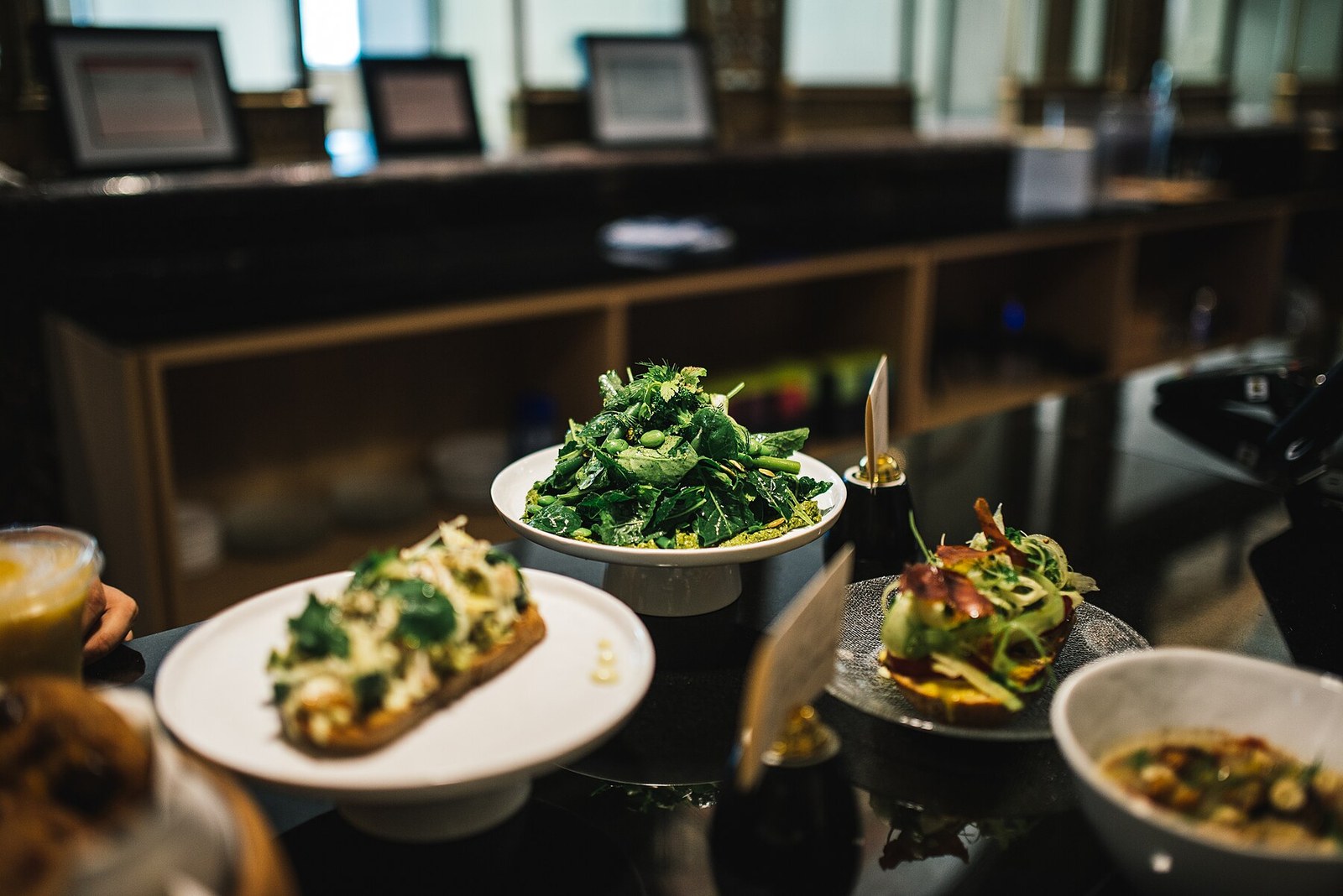
Patterson Kitchen and Bar, at 110 Halston Avenue, is the formal room, working pimento cheese with bacon jam and rye crackers, salmon, pappardelle bolognese, seared scallops, and a bar program reviewers single out, in a room described as among the more striking in the Upstate. Dinner only, closed Sundays, and it sits at a higher price level.
The Captain at Hotel Hartness, at 120 Halston Avenue, is the relaxed bar and courtyard, with burrata, prosciutto, buffalo wings, a beer cheese fondue, filet lettuce wraps, and cocktails, served indoors and by a fire outside. Open seven days from noon, and reviews on pacing and portions are mixed.
Beyond the community, Greenville is a short drive west with the Upstate's fullest range of dining, covered on its own page.
Hartness is a residential community with a village center rather than a commercial district, so everyday shopping happens outside it. What the center carries beyond the hotel and its restaurants should be established directly, since a planned community's commercial component frequently expands as it builds out and what exists today may not be what is intended. Greenville is a short drive west with the region's full range of grocery, pharmacies, retail, medical facilities, and its downtown, all covered on its own page, and the corridors between carry everyday provision. Buyers should establish how far a specific address sits from a supermarket and a hospital, because in a community set apart from a commercial corridor those distances are the practical measure of daily life.
Hartness is designed around its grounds, and that is the substance of what it offers rather than a landscaping detail. Visitors describe extensive landscaped grounds and a long nature trail running through the site, with bicycles available at the hotel, and the community's village-center arrangement is intended to make the whole of it walkable. The hotel adds a spa and an events operation. What residents may use, and on what terms, should be established rather than assumed, and that question runs through this entire page.
Beyond the community, Greenville is west with its downtown, its employers, its hospitals, and the Upstate's fullest range, covered on its own page. The ring of Greenville communities including Greer, Taylors, Five Forks, Simpsonville, Mauldin, Fountain Inn, and Travelers Rest all have their own pages, and Easley and Powdersville lie west toward Anderson County, which is covered in this volume. The practical summary is that Hartness is a planned community organized around a hotel and a village center, unusual for the Upstate, and the questions that decide a purchase here are held by the developer rather than published in a market report.
Hartness is known as a master-planned village on Greenville's Eastside, developed by the Hartness family and designed around traditional neighborhood and New Urbanism principles. It is recognized for its walkable village center, the on-site Hotel Hartness, the One5 restaurant, and more than 10 miles of trails through a 180-acre nature preserve. It is one of the few Greenville communities with a boutique hotel on site.
Living in Hartness means a resort-style, walkable lifestyle where residents reach dining, a spa, a fitness center, and pools without leaving the community. Amenities include an Olympic-sized pool, a sports garden with tennis and pickleball, the Grand Lawn for events, and a community farm. The design emphasizes front porches, green streets, and connection among neighbors.
Hartness is a premium custom-home community, and pricing reflects that, with both finished homes and homesites available for buyers building with approved local builders. Custom homes generally reach well into seven figures, and estate homesites are sold separately.
Hartness offers custom-built homes in classic Southern and European-inspired styles, with wide porches, cobblestone courtyards, gas lanterns, and energy-efficient and smart-home features. Buyers can purchase completed residences or estate-sized homesites across phases such as the Village, The Meadow, Heritage, and the Woodland Retreat enclave.
Hartness sits on Greenville's Eastside along South Highway 14, between Pelham and Woodruff roads and near the Interstate 85 corridor. It is about 10 miles from downtown Greenville and roughly five miles from Greenville-Spartanburg International Airport, with major shopping and dining districts close by.

The Andy Bovender Team pairs deep Carolinas market knowledge with the reach of Compass. Expect straight answers, sharp preparation, and a process that stays simple, whether you are buying, selling, or both.