Fort Mill is a York County town with a traditional Main Street, established neighborhoods, municipal parks and strong road connections to Rock Hill and the Charlotte employment region.
Discover Local CommunitiesThe town is distinct from the much larger Fort Mill mailing area. Use the incorporated boundary for demographics and confirm a property's municipal status, utilities and zoning in official GIS records.
Downtown civic spaces, town parks and access to the Catawba River region give Fort Mill a mix of small-town and metropolitan connections. Millstone Park anchors the bottom of Main Street with a playground and walking trail.
Local routines include downtown events, youth recreation and regional commuting by I-77. Neighborhood settings range from older streets near the center to newer development along the town's expanding edges.
Town parks and nearby regional greenways provide recreation. Fort Mill School District attendance lines are evolving with new campuses; the schools linked here are district examples and every address must be checked on the current map.
Main Street offers local restaurants, shops and services, while larger commercial areas extend toward I-77, SC 160 and nearby Tega Cay. Verify current businesses rather than maintaining a time-sensitive list.
Fort Mill is a York County town just across the South Carolina line from Charlotte, and the range of Fort Mill homes for sale runs from townhomes in the $300,000s to custom and estate property above $1.3 million. It sits about twenty-five minutes south of Uptown Charlotte on Interstate 77, with a compact historic downtown along Main Street, the 2,100-acre Anne Springs Close Greenway wrapped around its northern side, and rapid residential growth in every direction from both. The town grew up around Springs Industries and the textile economy, and the Close family land that funded and shaped much of it is still visible in the greenway and in the planned communities built on former family acreage.
Fort Mill commands a premium over the broader Charlotte metro, which surprises people, and the reasons are consistent: the school district, the South Carolina tax structure, and the commute. Several spring 2026 readings put the Charlotte metro median between roughly $415,000 and $435,000, below Fort Mill's, and buyers routinely cross the state line for that combination. South Carolina's four percent owner-occupied assessment ratio applies here, and York County's effective property tax rate runs around 0.46 percent, well below what buyers relocating from the Northeast or Midwest are used to.
The one number a buyer looking at new construction here must know is the school impact fee. Fort Mill charges roughly $29,640 on a new home, which is levied to fund school capacity and is not charged in neighboring Lancaster County. On a new build that is a material line item, and it is the single biggest reason a buyer comparing Fort Mill against Indian Land will find new construction cheaper across the county line. On the wider market, published figures for the town range from about $463,550 to about $530,000 depending on source and period, with days on market variously reported between 48 and 70 and price reductions rising sharply, from about 55 percent of listings to about 76 percent year over year in one reading. The direction those figures agree on is a market that has moved decisively toward buyers over the past year.
The Andy Bovender Team serves Fort Mill from a Compass office at 967 Market Street, inside the Baxter Village town center, alongside offices in Charlotte, Charleston, Columbia, Wilmington, Greenville, and the Outer Banks. Two things make local representation matter here. First, with price reductions on three quarters of listings and days on market roughly doubled from the peak, pricing from 2025 comparables will leave a Fort Mill seller sitting, while a buyer has more room to negotiate than at any point in several years. Second, the cross-border comparison against Indian Land, Tega Cay, and south Charlotte involves school districts, impact fees, county tax rates, and commute direction at the same time, and getting a clear read on that trade-off is the most valuable thing an agent working both sides of the line can offer.
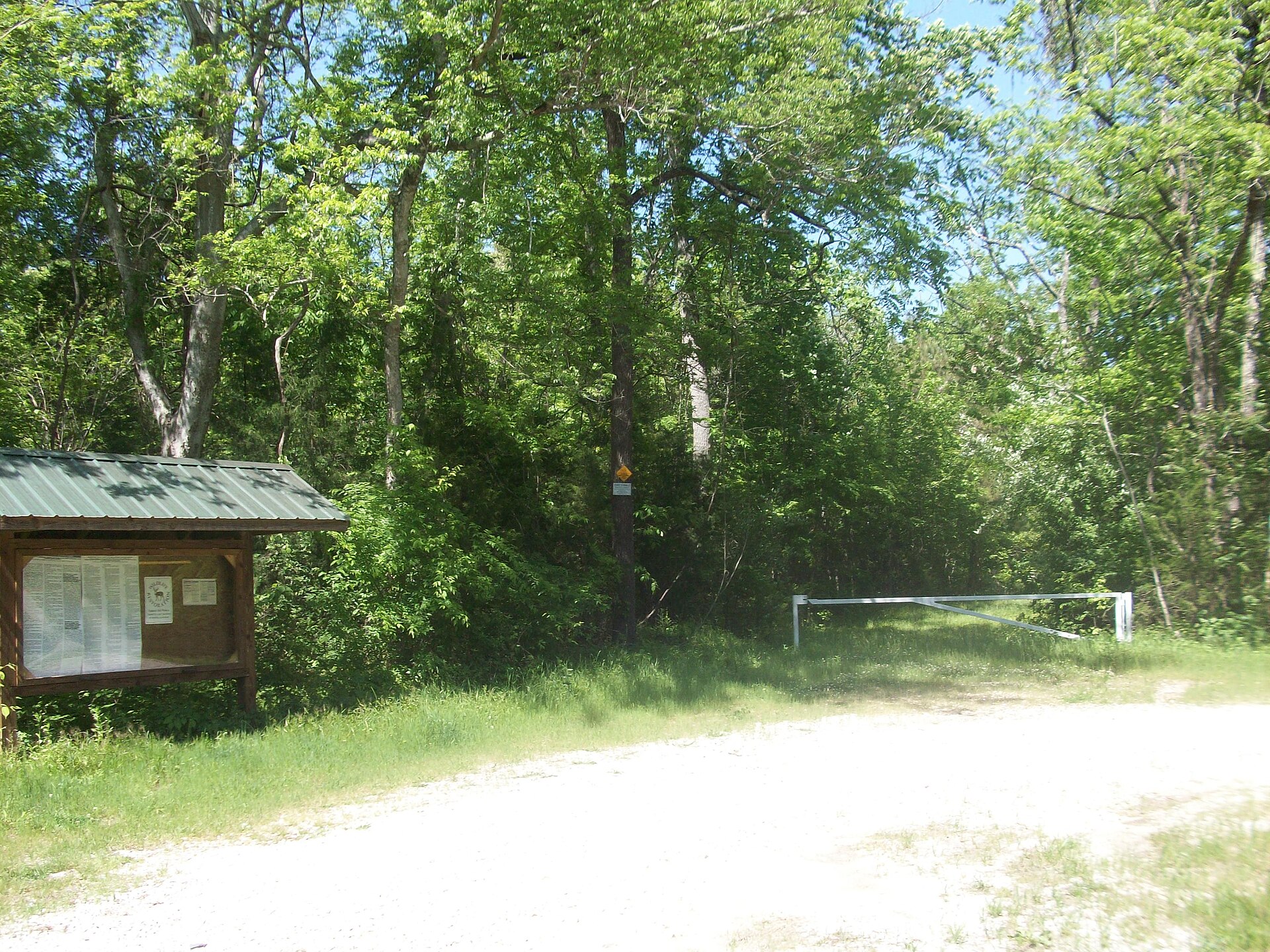
A 2,100-acre preserve sits on Fort Mill's northern side with more than 40 miles of trails for hiking, mountain biking, and horseback riding, plus lakes, a swinging bridge, a dog park, and a natural playground. Entrances at Adventure Road, Lake Haigler, and Blue Star spread access across the town.
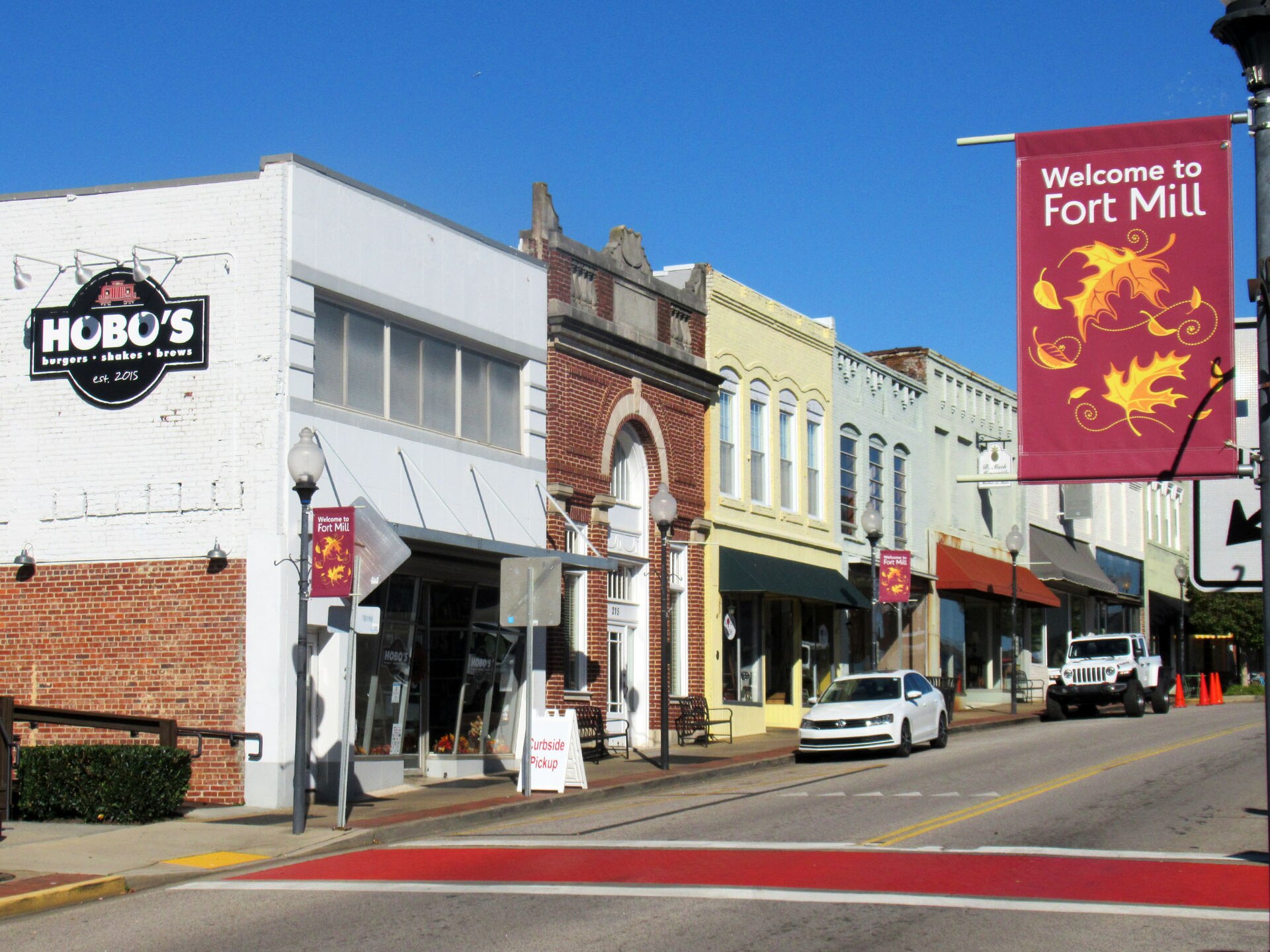
Main Street runs a compact run of low-rise storefronts holding independent restaurants and shops, with FM Eatery, The Improper Pig, Whitaker's, and Hobo's within a block of each other. It is a working small-town center rather than a themed one, and residents use it in the evenings.
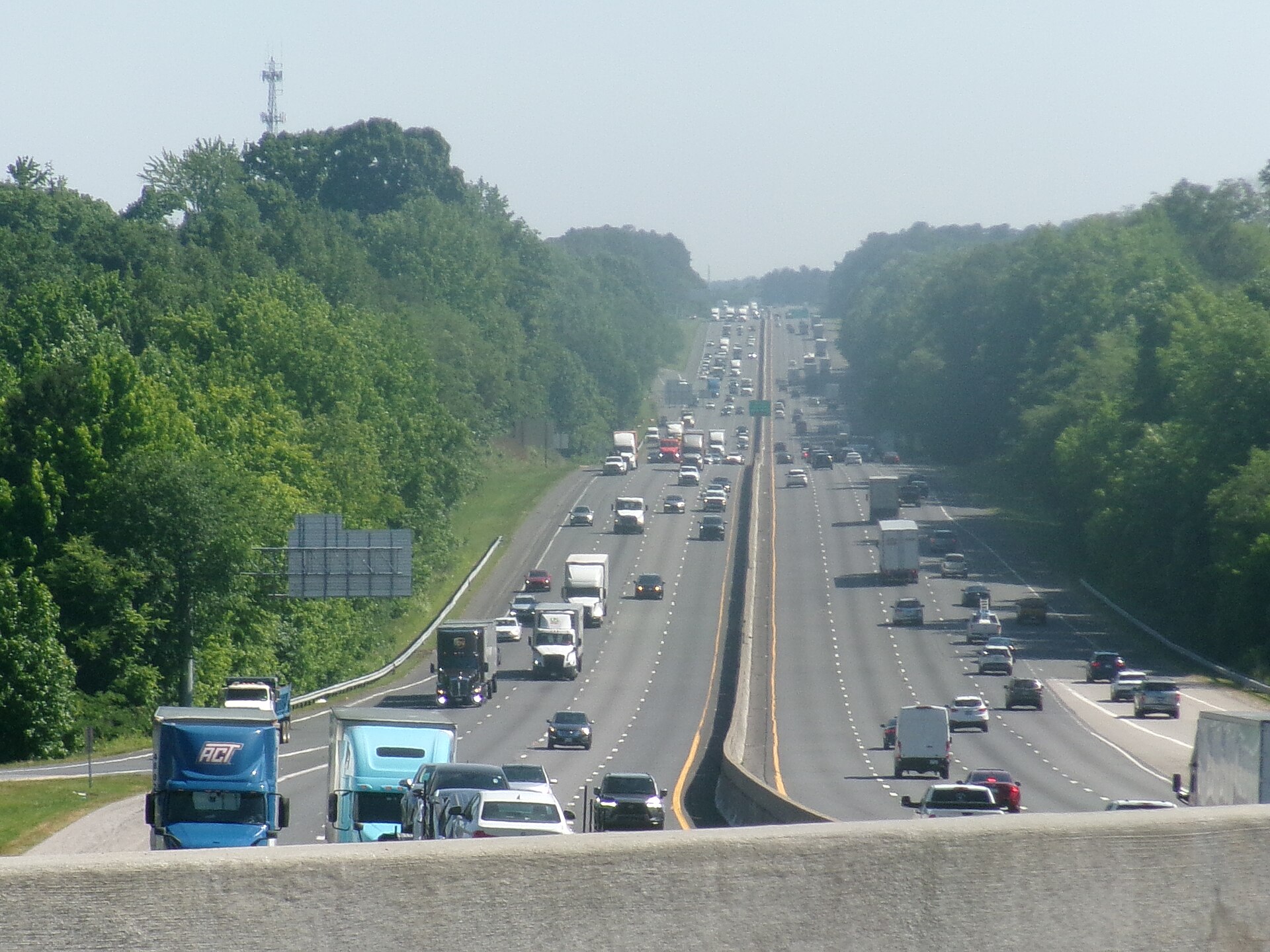
Interstate 77 puts Uptown Charlotte roughly twenty-five minutes north outside peak hours while South Carolina's four percent owner-occupied assessment ratio and York County's low effective rate apply to the house. That combination is the main reason buyers cross the state line, though peak-hour I-77 traffic is a real issue.
Baxter Village and Springfield are large planned communities inside Fort Mill, each with its own amenities and, in Baxter's case, its own walkable town center on Market Street. Buyers choosing Fort Mill are often really choosing between those and the conventional subdivisions, and both have their own pages on this site.
Carowinds sits on the state line just north of Fort Mill, close enough for a season pass to be a practical proposition rather than a day trip. The park straddles the North Carolina and South Carolina border, which is a curiosity locals never quite stop mentioning.
Fort Mill has more new construction inventory than most established Charlotte-area suburbs, spread across the corridors out of town. Buyers should budget for the town's school impact fee of roughly $29,640 on a new home, which is not charged across the line in Lancaster County and is a material line item on a new build.
Fort Mill is a town rather than a neighborhood, and what a buyer is really choosing between is a historic downtown, two large planned communities, and a spread of conventional subdivisions along the corridors out of town. Five areas cover it.
The blocks around Main Street and Clebourne Street hold the town's oldest housing and its only walkable ground. Housing runs to early twentieth century cottages, bungalows, and mill-era houses on small lots, with restoration and infill activity through them, and it is generally the most accessible entry point in the town on price. What a buyer gets is the ability to walk to a restaurant, a coffee shop, and the town's civic buildings. What a buyer accepts is the profile of older housing, meaning original systems, foundation type, and the question of what previous renovations did and whether they were permitted. Confirm the freight schedule on streets near the rail corridor rather than judging from a single visit.
Baxter Village is a walkable planned community of roughly 1,400 homes on the west side of Fort Mill, built to a traditional neighborhood development plan with narrow tree-lined streets, front porches, rear alleys, and a genuine commercial town center on Market Street. It carries a substantial premium over the Fort Mill median, and the community includes an elementary school, a public library branch, a YMCA, and more than 500 acres of open space. Because the housing runs from cottages of around 1,200 square feet to custom houses over 4,000 on the same streets, and because several sub-associations mean dues vary by section, buying here is a different exercise from buying a conventional subdivision. This site covers it in detail on its own Baxter Village page.
Springfield is the town's other large planned community, on the eastern side, built around a golf course with its own amenity package and a mix of housing types across several phases. Like Baxter Village it functions as a community rather than a subdivision, with association-provided amenities that form a meaningful part of what a buyer is paying for, and it draws buyers who want a managed community setting inside the Fort Mill school district. Because the phases were built across different periods and the housing types vary, comparables here need to come from the same phase and product type rather than from the community as a whole. This site covers it on its own Springfield page.
The ground between the interstate and the town, running along Sutton Road and SC-160, holds much of Fort Mill's conventional subdivision inventory and most of its commercial development. Housing runs to two-storey traditional houses and ranches from roughly the 1990s onward on quarter to half-acre lots, generally with a homeowners association and often with a pool or a playground, alongside townhomes closer to the retail. This is the volume of the Fort Mill market and where most relocating buyers land, because it offers current mechanicals at a price the planned communities do not reach and the shortest access to I-77. The trade-off is traffic: this corridor carries the town's commercial activity and its interstate access at the same time.
East and south of the town, running out along SC-160 and the roads toward Indian Land and Rock Hill, is where Fort Mill's newest residential development sits. Product here is predominantly new construction and recent subdivisions, on larger sites with more land available, and it is where a buyer will find the most current inventory and the most builder incentive. Two things belong in every offer out here. The school impact fee applies to new construction, so confirm whether the builder or the buyer carries it and that it is reflected in the price. And in an area still building out, ask what is approved on the surrounding parcels, because the field behind a new house is rarely permanent.
Four categories cover the town. Older downtown housing, mostly early twentieth century cottages and mill-era houses on small lots, is the character stock and the entry point. Planned-community housing in Baxter Village and Springfield carries an amenity and association structure that is a substantial part of the price, and both have their own pages here. Conventional subdivision housing from roughly the 1990s onward along the corridors is the volume of the market. New construction in the eastern and southern growth areas is the most current inventory and the segment where the impact fee applies. Across all four, three questions decide value: which association applies and what it covers, whether the impact fee is in the price on a new build, and how far the address sits from the I-77 interchange at the time of day the buyer actually drives it.
Fort Mill's independent dining concentrates on a few blocks of Main Street downtown, with the chain and corridor restaurants spread along SC-160 and the interstate approaches.
The Speckled Pear, at 110 Clebourne Street, is the town's fine dining restaurant, working a small seasonal menu with local ingredients across brunch and dinner. Seating is limited enough that reservations should be made well ahead. Closed Sundays and Mondays.
FM Eatery, at 217 Main Street, covers brunch and dinner in a small, warmly decorated room with crab cakes, tri tip, and pappardelle, and it fills up. Open seven days, with Sunday brunch only.
The Improper Pig, at 204 Main Street, does barbecue with an Asian influence, including bao buns alongside brisket, ribs, and smoked wings, open seven days.
Whitaker's, at 215 Main Street, is the sushi and Asian option downtown, with creative rolls and a happy hour, and it looks like a pub from the street. Dinner only on weekdays, closed Sundays.
Hobo's, at 213 Main Street, is the long-standing casual restaurant and bar, with a full bar, outdoor seating, a grassy area, live music midweek, and a dog-friendly patio. Open seven days.
Fort Mill splits its shopping between a walkable downtown and a set of highway corridors, and residents use both. Main Street carries independent restaurants, boutiques, salons, and services in low-rise buildings with the sidewalk running past their doors, and it functions as the town's center in the evenings and at weekends. Everyday shopping happens on the corridors: SC-160 and the roads around the I-77 interchange carry the grocery stores, pharmacies, big-format retail, and services, with new retail continuing to open as the area grows. Baxter Village has its own small town center on Market Street, covered on its own page. For department stores and larger retail, Carolina Place Mall in Pineville is about fifteen minutes north across the state line, the Ballantyne and Blakeney centers in south Charlotte are a similar distance, and Rock Hill covers the southern side at about twenty minutes. Buyers should note that outside downtown and Baxter Village, Fort Mill is laid out for driving.
The Anne Springs Close Greenway is the reason outdoor life here is better than in most towns this size. The 2,100-acre preserve wraps Fort Mill's northern side with trails for hiking, mountain biking, and horseback riding, lakes, a swinging bridge over a creek, a dog park, a natural playground, a historic homestead, and a canteen, spread across entrances at Adventure Road, Lake Haigler, and Blue Star. Access is by day admission or annual membership, and the trail network is extensive enough that regulars still find new routes. Beyond the greenway, the town runs its own parks and recreation program, and Baxter Village and Springfield each carry their own community amenities, covered on their pages.
Carowinds sits on the state line about ten minutes north, straddling the North Carolina and South Carolina border, and it anchors the region's family entertainment. For concert halls, professional sport, and museums, residents drive into Uptown Charlotte, roughly twenty-five minutes north outside peak hours and covered on its own page, and Charlotte Douglas International Airport is about thirty minutes northwest. Rock Hill to the south carries additional sports facilities and a downtown of its own at about twenty minutes.
Fort Mill is known as a fast-growing town in York County, South Carolina, about 18 miles south of Charlotte. It is recognized for the top-ranked Fort Mill School District, the walkable Baxter Village community, the Anne Springs Close Greenway, corporate employers like LPL Financial and Movement Mortgage, a historic downtown, and lower South Carolina taxes.
Living in Fort Mill offers strong schools, newer neighborhoods, and a roughly 20-minute Interstate 77 commute to Charlotte. Residents enjoy the Anne Springs Close Greenway trails and lakes, a historic Main Street, and nearby Carowinds. Lower South Carolina taxes appeal to families and retirees, though rapid growth brings road construction and traffic.
Homes in Fort Mill carry a median around $490,000 to $520,000. Townhomes and smaller homes start in the $300,000s to low $400,000s, most single-family homes run from the $400,000s to $700,000s, and larger homes in communities like Baxter Village reach $800,000 to $1.4 million.
Fort Mill offers master-planned communities like Baxter Village, Masons Bend, and Springfield, single-family homes, townhomes, condos, active-adult neighborhoods, and extensive new construction. Styles range from Craftsman and Colonial to Charleston-style homes, with options from lower-maintenance townhomes to larger custom homes near top-rated schools.
Fort Mill sits in York County, South Carolina, about 18 miles and 20 to 25 minutes south of Charlotte via Interstate 77 and Highway 160. Tega Cay, Rock Hill, Indian Land, and Lake Wylie are nearby, along with Carowinds. Nearby Tega Cay and the Springfield community share the same top-rated Fort Mill School District.

The Andy Bovender Team pairs deep Carolinas market knowledge with the reach of Compass. Expect straight answers, sharp preparation, and a process that stays simple, whether you are buying, selling, or both.