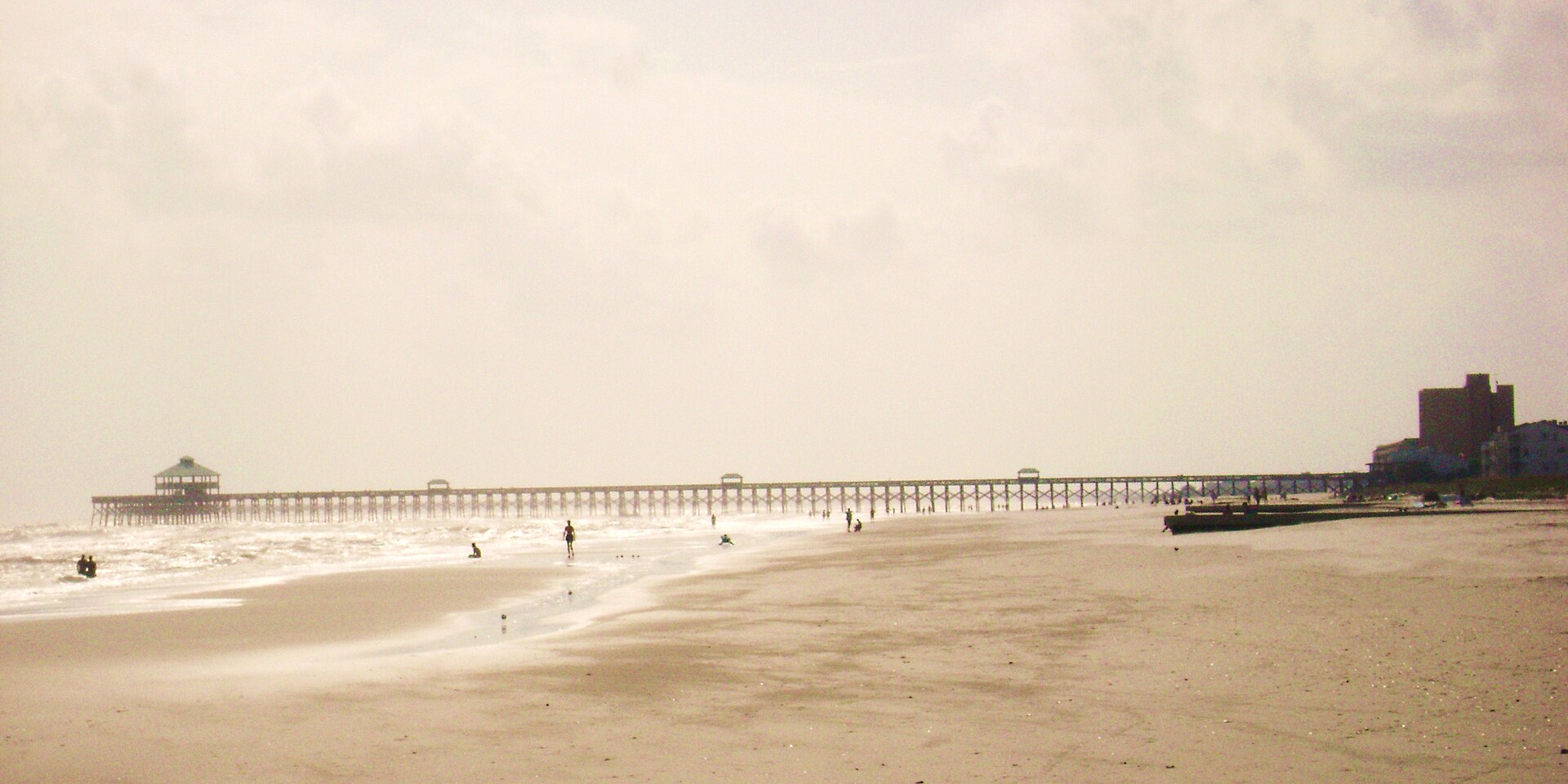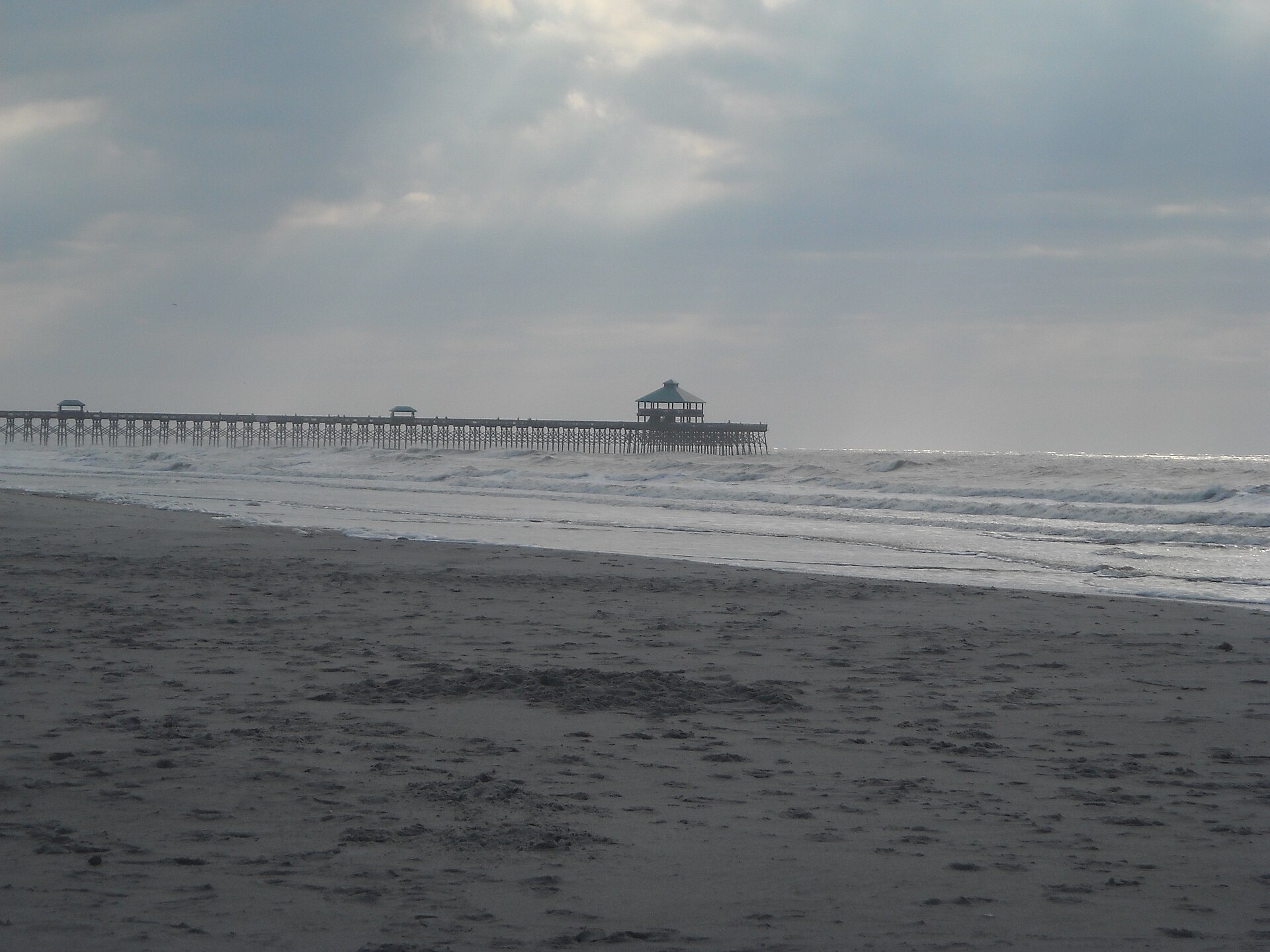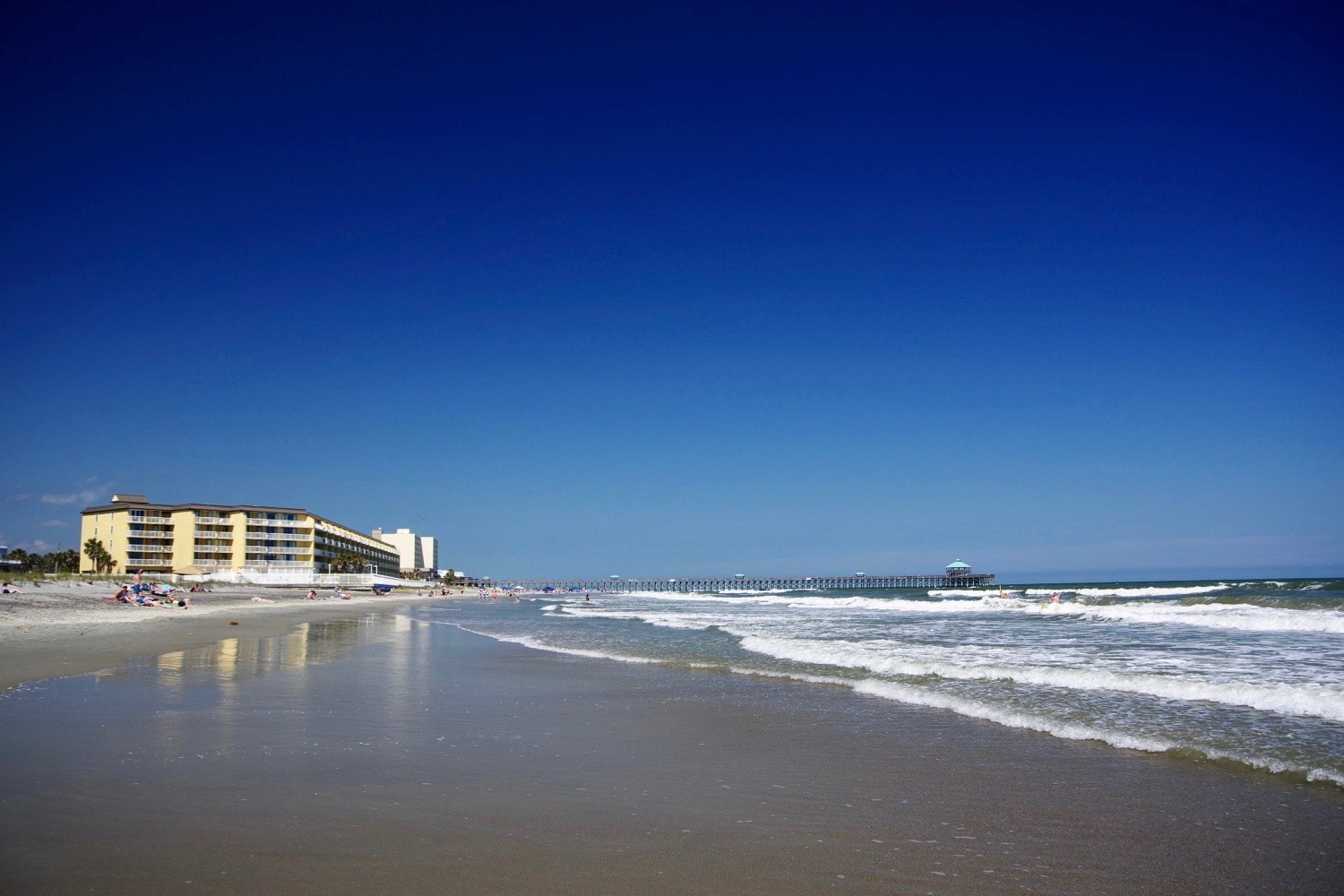
Folly Beach, SC offers a compact barrier-island city with an oceanfront lifestyle and a small commercial center along Center Street.
Discover Local CommunitiesFolly sits south of James Island at the end of Folly Road. Here, housing includes beach cottages, elevated homes, condominiums, and vacation-oriented properties.
Daily life is seasonal and beach-oriented, with traffic, parking, flooding, storms, and short-term-rental rules important to property research.
Conditions can vary by street, development, and jurisdiction, so property-level due diligence remains important.
The beach, fishing pier area, county park, and nearby waterways lead recreation. CCSD assignments are address-specific and should be confirmed before linking a household to a school.
School note: Attendance zones, program eligibility, and transportation can change. Confirm every assignment with the district using the full property address before making a housing decision.
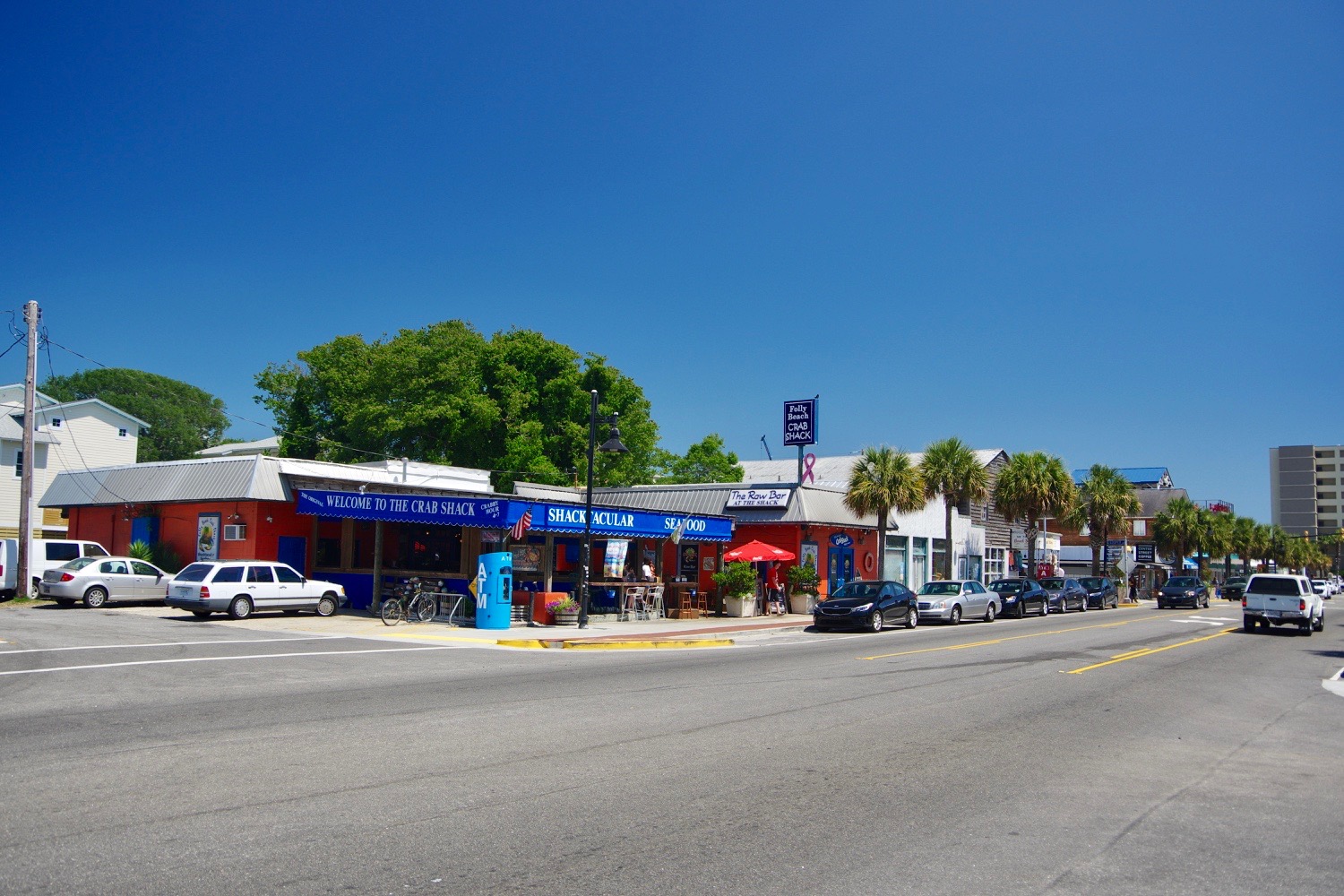
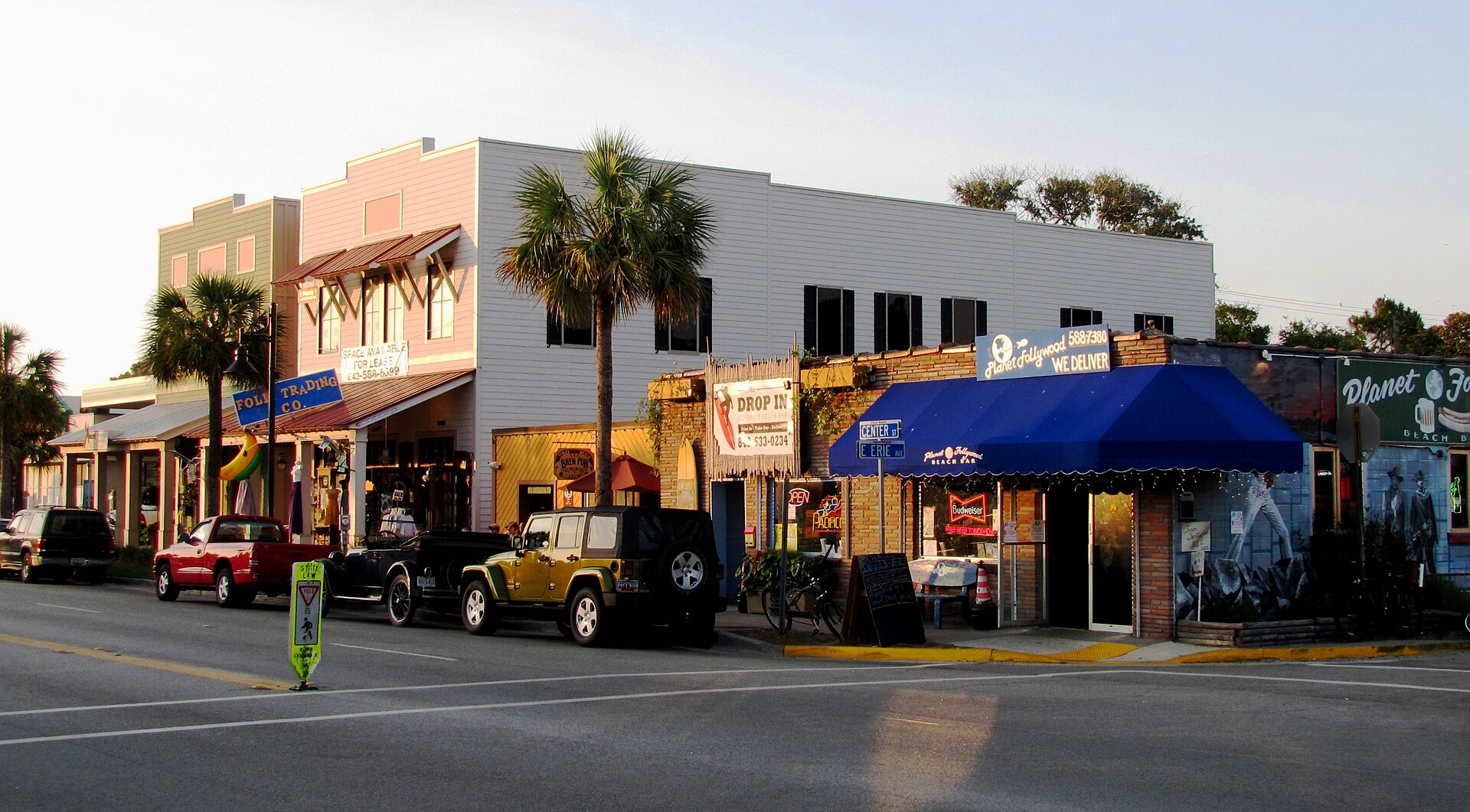
Center Street contains the island's core restaurants and small shops; larger grocery and retail needs are generally met on James Island or the mainland.
Folly Beach is a barrier island about fifteen to twenty minutes south of downtown Charleston through James Island, and the range of Folly Beach homes for sale runs from townhomes around $680,000 to oceanfront property above $3 million. It calls itself the Edge of America, and the character follows from that: a working surf town with a fishing pier, a short commercial run along Center Street, and a housing stock of cottages, raised beach houses, and townhomes rather than resort development. It is the most informal of the three Charleston barrier islands and the only one with a genuine surf culture.
The defining feature of this market is regulatory, and it is in motion. In February 2023 Folly Beach residents voted to cap investment short-term rental licenses at 800 island-wide. In August 2026 a circuit court struck down the referendum cap and its permit fee, and the city is appealing. On September 15, 2026, the city adopted a replacement ordinance that retains the cap of 800 investment licenses and the non-transfer rules while removing the additional rental registration permit fee. Most new licenses are paused under a temporary moratorium with limited exceptions, which expires on February 19, 2027 unless repealed or extended. The city is also procuring a rental study to guide its next decisions. Existing licenses do not transfer in an ordinary sale, though a provisional license may allow qualifying existing bookings to be honored for up to ninety days. A buyer treating a Folly Beach purchase as a rental investment still needs to establish, before offering, the license position of the specific property, whether a new license is available for the intended use, and what the pending appeal or future rule changes could do to it.
That has moved through to the sales figures in a way few regulatory changes do. Local reporting describes a stretch in which the island recorded only three or four transactions in some months, with July 2025 seeing two single-family sales at a median around $897,000. Volume has since recovered sharply, with July 2026 producing a reported 400 percent increase in sales at a median of about $1,255,000 and 81 days on market against 116 a year earlier. Other measures place the level differently again, with Redfin showing about $1.64 million in one month on nine sales and one aggregator reporting about $1,224,500. On sample sizes this small, treat any single month as indicative only.
The Andy Bovender Team serves Folly Beach from a Compass office at 708 South Shelmore Boulevard in Mount Pleasant, alongside offices in Charlotte, Columbia, Wilmington, Fort Mill, Greenville, Lake Murray, and the Outer Banks. Two things make representation matter more here than on any other page in this project. First, the license question determines what a property is worth to a given buyer, and getting it wrong is a six-figure mistake rather than a disappointment. Second, this is a low barrier island: Redfin's flood assessment places Folly Beach at extreme risk, and flood zone, base flood elevation, elevation certificate, and insurance cost with its recent trend are not diligence items here so much as the central economics of ownership.
The Most Affordable of the Three Barrier Islands
Folly Beach medians have recently run around $1.2 to $1.6 million against Isle of Palms above $1.9 million and Sullivan's Island above $4 million, with townhomes near $680,000. Among Charleston's barrier islands, this is where the entry point is.
A Working Surf Town, Not a Resort
Folly has a fishing pier, a surf break locals call the Washout, and a short run of independent bars and restaurants along Center Street. It is the least polished and most informal of the Charleston beaches, and for a lot of buyers that is precisely the appeal.
Fifteen Minutes to Downtown Charleston
Folly sits about fifteen to twenty minutes south of the peninsula through James Island, which is closer than most people expect from a barrier island. Very few American cities put a surf beach that close to a historic downtown.
A Walkable Center With Real Restaurants
Center Street runs a few blocks from the pier with Rita's Seaside Grille, Pinky's on the Beach, The Washout, and Playa Baya along it, all within a walk of the sand. For an island this size, that is a genuinely strong independent list.
Rental Rules in Flux, Which Cuts Both Ways
The referendum cap was struck down in court in August 2026, but the city adopted a replacement ordinance on September 15 that retains the cap of 800 investment licenses and the non-transfer rules. Most new licenses remain paused under a temporary moratorium with limited exceptions while the city appeals and pursues a rental study. Folly remains difficult as an investment purchase, and rental restrictions remain an important consideration for a buyer who wants a beach house to live in rather than to let.
More Inventory Moving Than in Years
After a stretch in which the island recorded only a handful of sales a month, volume has recovered sharply and days on market have fallen from about 116 to 81. Buyers have more to look at now than at any point since 2023.
Folly is a long narrow island with one main road down its length, so position is measured by how close a property sits to the ocean, to Center Street, and to the ends. Four groupings cover it.
Oceanfront and Ocean Block
Property directly on the beach and on the blocks immediately behind it is the top of the Folly market, running to raised beach houses on pilings with decks facing the water. Price here is set by ocean position rather than square footage, and the difference between true oceanfront, second row, and ocean block is substantial and is not always clear from a listing. Three things belong in every offer and none is optional on this island: the elevation certificate and base flood elevation for the specific parcel, the insurance cost and what it has done over the past five years, and the license position if the buyer intends any rental use. Buyers should also understand that beachfront property on a barrier island carries erosion and renourishment considerations that inland coastal property does not.
The Center Street Blocks
The blocks around Center Street hold the island's commercial run, its pier access, and its highest density of housing, including most of its townhome and attached inventory. This is where the island's entry point sits, with townhomes recently around $680,000 against single-family houses often well above a million, and it is the only genuinely walkable ground on Folly. What a buyer gains is the ability to reach restaurants, the pier, and the sand on foot. What a buyer accepts is the activity that comes with the island's main street, which is considerable on summer weekends and at night. Read the association documents on attached product, and establish the license position for the specific unit.
The Marsh and Creek Side
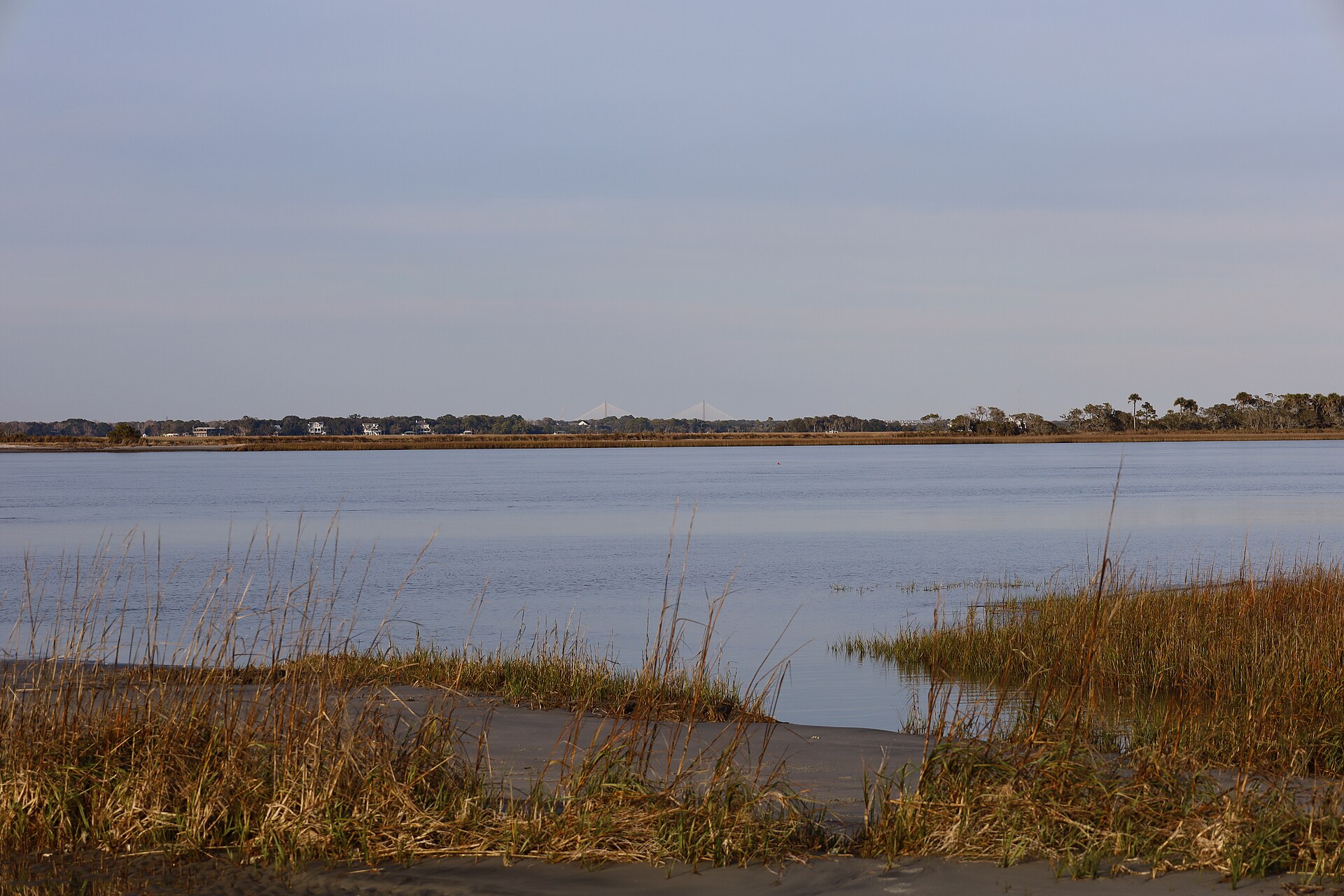
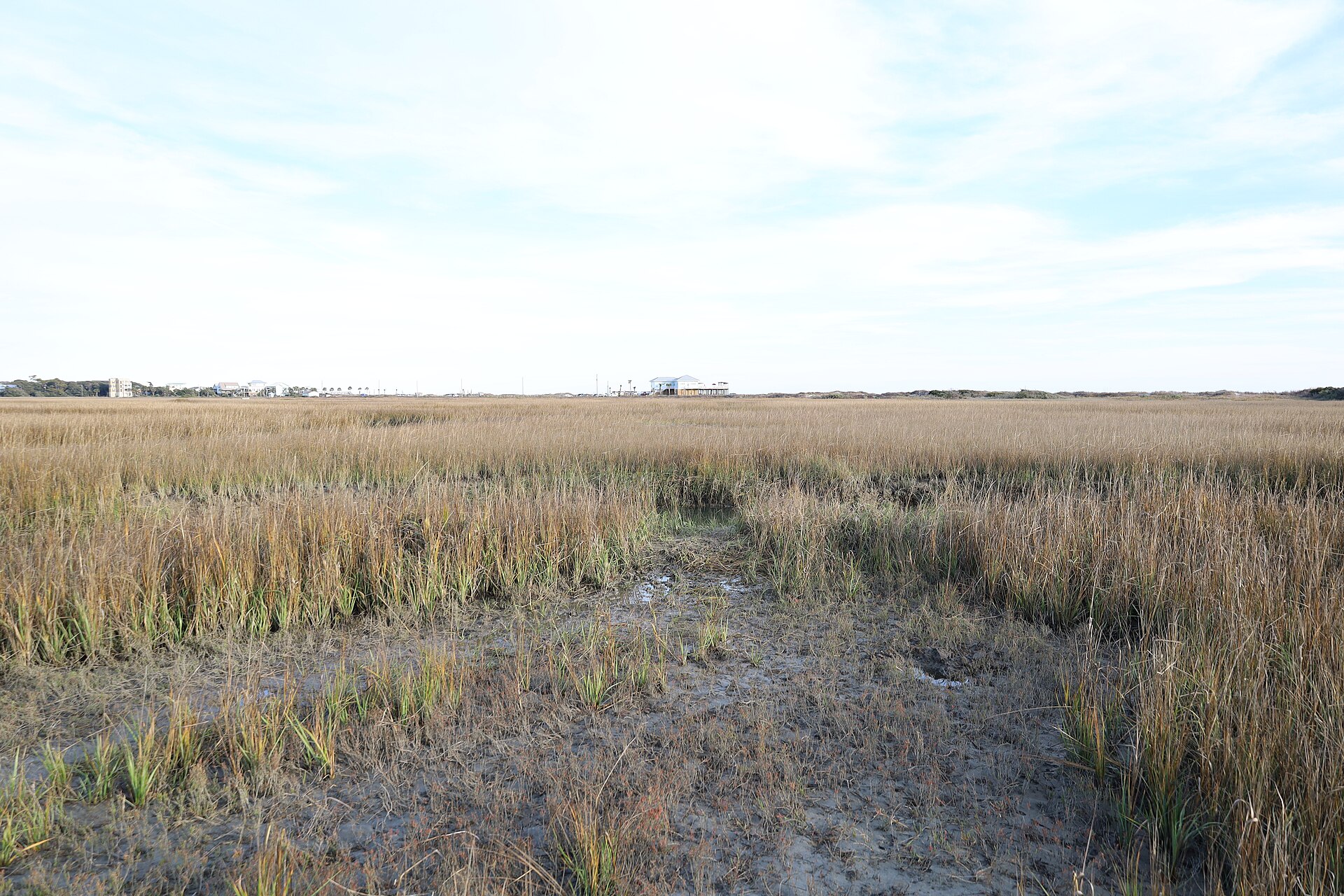
The inland side of the island faces the marsh and the creeks rather than the ocean, and property here trades below equivalent ocean-side housing while carrying its own advantages: dock potential in places, quieter streets, sunset rather than sunrise views, and generally lower exposure to direct ocean weather. Product runs to cottages and raised houses at the more accessible end of the Folly market. The diligence is the same coastal set with one addition: where a dock exists or is contemplated, establish permit status and what may be added, because marsh setback rules apply and what a neighbor already has is not evidence of what a new owner may build.
The East and West Ends
The far ends of the island are quieter, less dense, and further from Center Street, and the character differs at each. Product runs to a mix of older cottages, newer raised construction, and some larger houses on bigger parcels, generally with more privacy than the center offers. What a buyer gains is quiet and, in places, more land. What a buyer accepts is a longer run to the island's shops and restaurants and, at the ends of a barrier island, a different exposure profile: erosion patterns, dune conditions, and access arrangements vary along the island and should be checked for the specific stretch rather than assumed from the island as a whole.
Property Types Across Folly Beach
Four categories cover the island. Oceanfront and ocean-block houses are the top of the market and are priced on water position. Cottages and raised beach houses across the island are the character stock and the bulk of the single-family market. Townhomes and attached product around Center Street are the entry point. Marsh-side and creek-side houses offer the same island at a lower level. Across all four, four questions decide value and they matter more here than the category does: whether the property carries a short-term rental license and whether it survives the sale, the elevation certificate and base flood elevation for the exact parcel, the insurance cost and its five-year trend, and, on a barrier island, what the erosion and renourishment position is for that stretch of beach.
Folly's restaurants sit along Center Street and out onto the pier, and almost all of them are within a walk of the sand. The list is short, informal, and better than the island's size suggests.
Rita's Seaside Grille, at 2 Center Street, is the island's busiest room, opening at 8 for breakfast and running through to late, with shrimp and grits, dry rub wings, grouper sandwiches, and live music. Open seven days.
Pinky's on the Beach, at 1 Center Street, sits at the ocean end with a bright pink fit-out, doing catch of the day, Cajun chicken pasta, and key lime pie with live music and ocean views. Open seven days.
The Washout, at 41 Center Street, is the local seafood room with a large bar, doing mahi tacos, crab cake sandwiches, and fried calamari, with karaoke and live music. Open seven days until 11.
Koko's on the Pier, at 101 East Arctic Avenue, sits on the fishing pier itself with tiki tacos, nachos, and fried flounder, and the view is the point. Open seven days.
Playa Baya, at 18 Center Street, does acai bowls, smoothies, and breakfast from 8, mostly to take away, and it is the island's healthiest option by some margin. Open seven days until 6.
Folly Beach is a small island and its retail reflects that. Center Street carries surf shops, beach supply, a handful of boutiques, bars, restaurants, and basic services in a few walkable blocks, which covers a visit and the essentials of daily life but not a weekly shop. For groceries and everyday errands, residents drive off the island to James Island, roughly ten to fifteen minutes north, which carries the full range along Folly Road and is covered on its own page. Downtown Charleston is fifteen to twenty minutes for anything else, and West Ashley and North Charleston carry the region's larger retail at twenty-five to thirty-five minutes, both covered in Volume 7. Buyers should understand two things. Living here means driving off the island for the weekly shop. And Folly Road is the only road on and off, so summer weekend traffic is a genuine feature of life rather than an occasional annoyance.
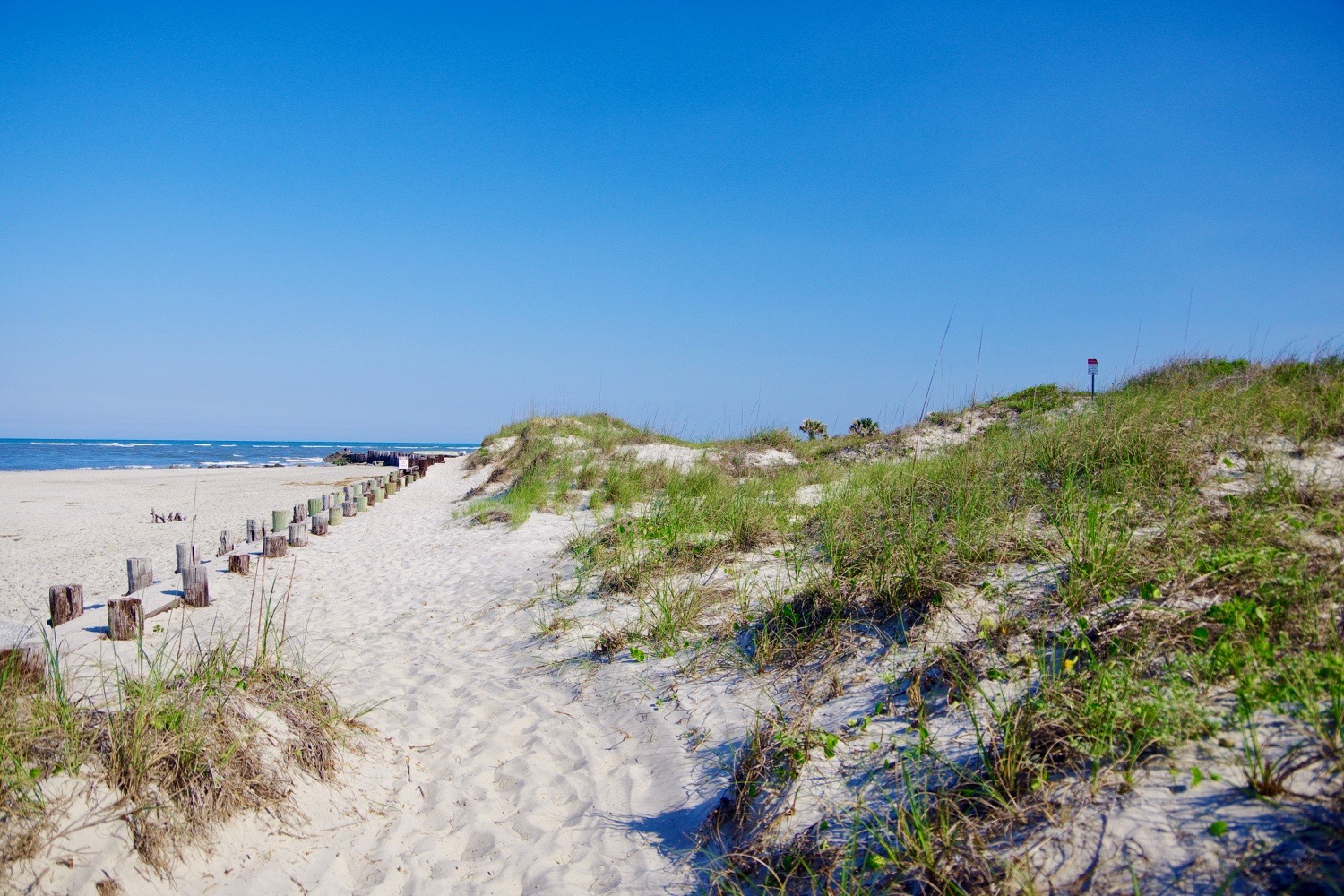
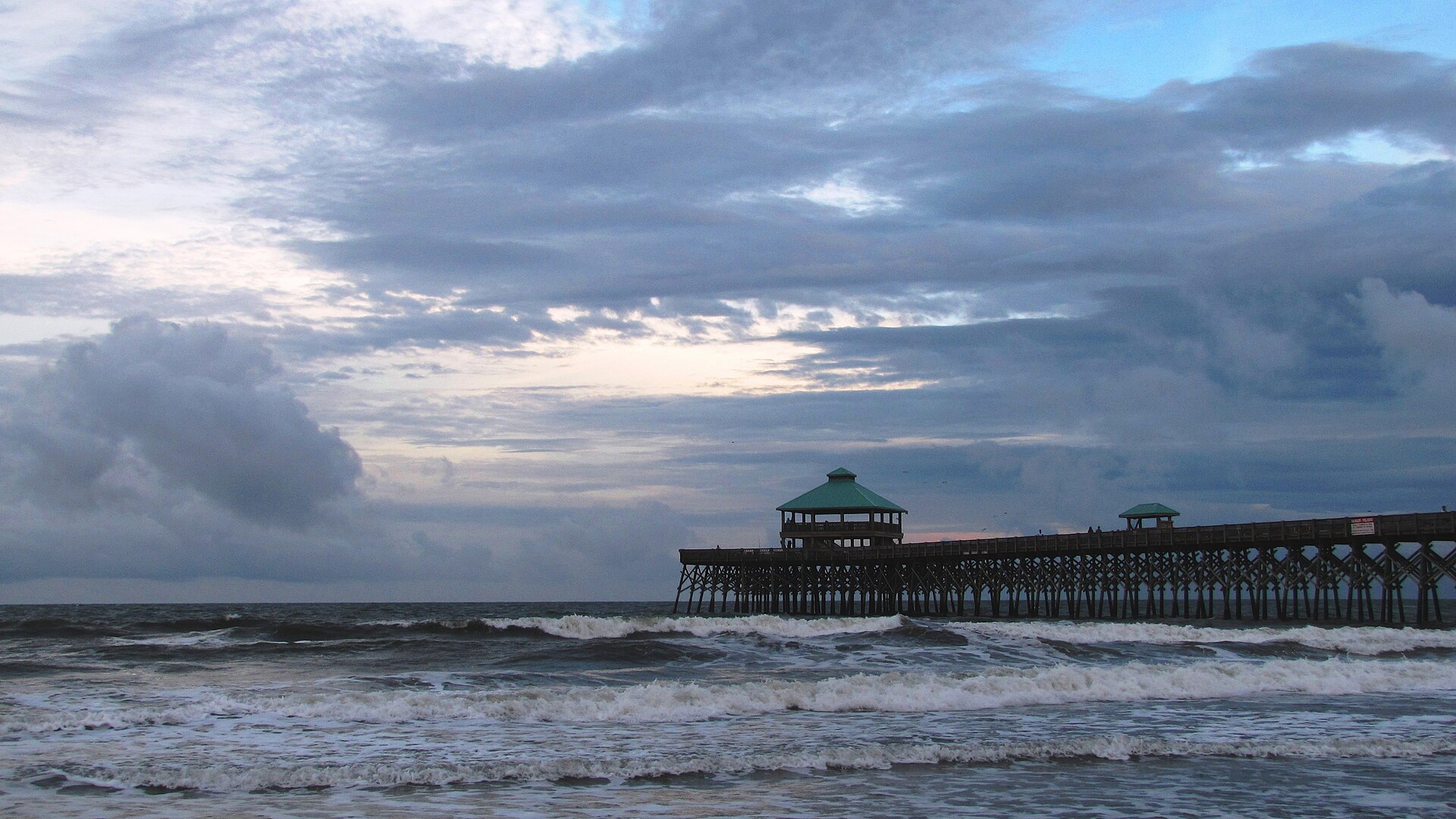
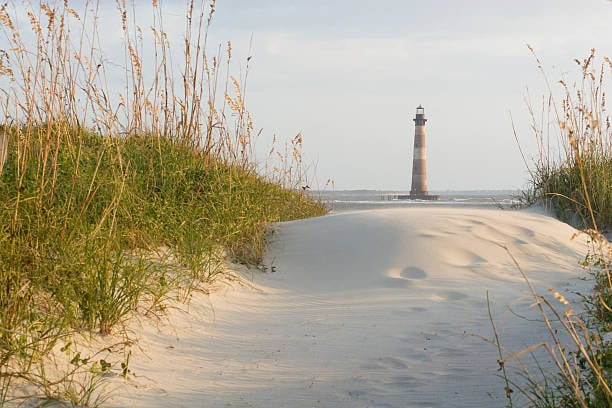
The beach and the water are the whole proposition here and Folly does them differently from the other Charleston islands. The island has a genuine surf culture, with a break the local surf community has long called the Washout, surf shops on Center Street, and lessons and board rental readily available. The Folly Beach fishing pier runs out over the water with a restaurant on it and is the island's landmark. At the western end, the lighthouse standing offshore is visible from the beach at the county park end of the island and is one of the most photographed views in the Lowcountry.
Beyond the island, everything is a short drive north. James Island sits ten to fifteen minutes away with the county park, the grocery stores, and Folly Road's restaurants, covered on its own page. Downtown Charleston is fifteen to twenty minutes for the museums, theaters, and restaurant scene covered on the Charleston Downtown and peninsula pages. Charleston International Airport is about thirty minutes northwest through North Charleston, covered in Volume 7. The practical summary is that Folly is a small island that supplies the beach and borrows almost everything else from fifteen minutes up the road.
Folly Beach is known as a laid-back surf town south of Charleston, nicknamed the Edge of America. It is recognized for some of the best surfing on the East Coast at the Washout, the Folly Beach Pier, an eclectic Center Street lined with restaurants and bars, the Morris Island Lighthouse view, and a come-as-you-are, golf-cart-friendly character.
Living on Folly Beach offers a bohemian, beach-town lifestyle that values authenticity over polish. Residents surf, fish, paddle the Folly River, and gather for events like Taste of Folly and the New Year's flip-flop drop. The island mixes full-time residents, retirees, and a strong vacation-rental market, and it is the closest beach to downtown Charleston at about 18 to 20 minutes.
Homes on Folly Beach carry a median around $960,000 to $1.2 million. Condos and townhomes start lower, from the $200,000s to $400,000s, single-family beach homes commonly run from the $600,000s to about $2 million, and oceanfront homes reach several million dollars. The market has shifted toward buyers after the recent boom.
Folly Beach offers stilted and raised beach cottages in Craftsman and Lowcountry styles built to flood codes, along with oceanfront, marshfront, and river-front homes with docks, interior island homes, condos, and townhomes. Gated waterfront communities such as Mariners Cay and Little Oak Island add lower-maintenance options, and many homes are set up for short-term rentals under the town's rules.
Folly Beach sits in Charleston County on Folly Island, about 12 miles south of downtown Charleston by way of James Island and Folly Road. The Morris Island Lighthouse, county park, and James Island communities are nearby, and downtown Charleston is about 18 to 20 minutes away. Students attend Charleston County schools in neighboring James Island, and flood insurance applies to most homes.

The Andy Bovender Team pairs deep Carolinas market knowledge with the reach of Compass. Expect straight answers, sharp preparation, and a process that stays simple, whether you are buying, selling, or both.