Elizabeth is a central Charlotte neighborhood east of Uptown, shaped by historic residential streets, educational and medical institutions, parks and the Elizabeth Avenue streetcar corridor.
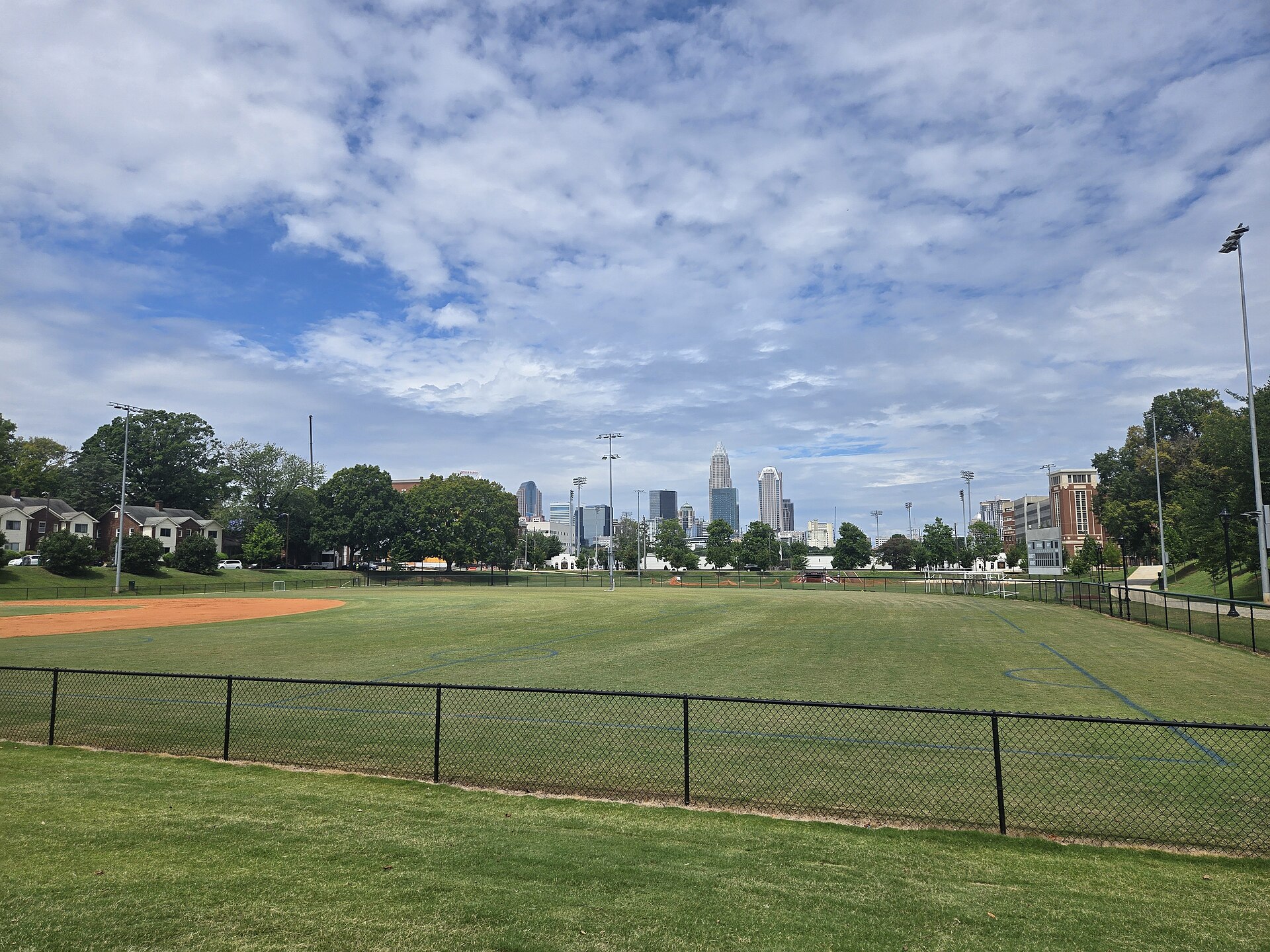
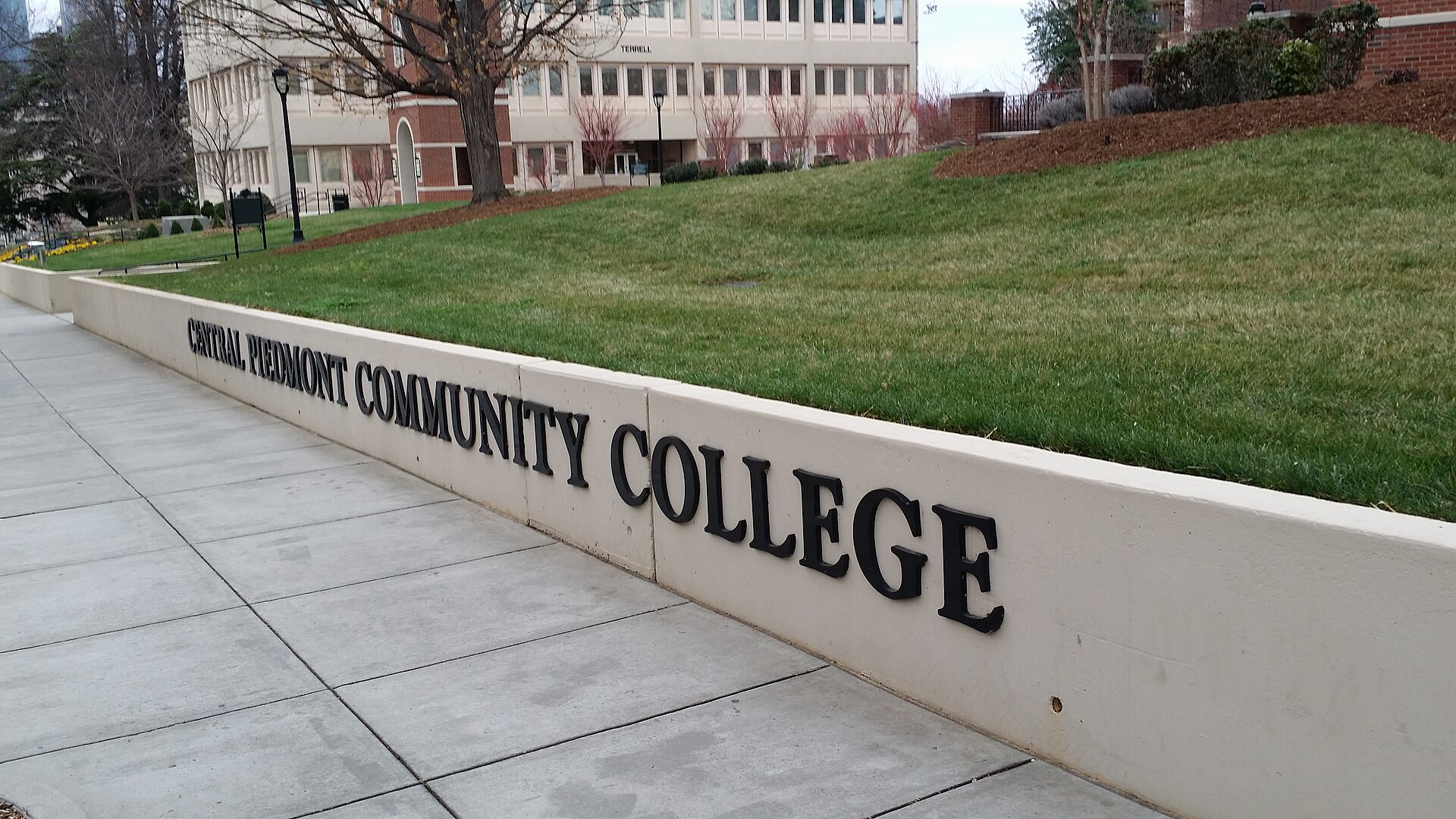
Discover Local CommunitiesThe neighborhood sits close to CPCC, Independence Park and Memorial Stadium, with development ranging from older homes to apartments and institutional buildings. Exact boundaries vary among local maps.
Elizabeth offers a central location with established streets, public green space and direct links to Uptown and nearby east-side neighborhoods. The CityLYNX Gold Line adds a transit option along Elizabeth Avenue.
Walking, cycling, transit and driving are all practical for different trips, particularly near the avenue and campus areas. Interior residential streets are generally quieter than the edges along major corridors.
Independence Park, Memorial Stadium and central-city arts and sports venues are nearby. CMS serves the area; nearby, magnet and assigned schools are different concepts, so the official address tool controls.
Restaurants and services are concentrated along Elizabeth Avenue, Seventh Street and nearby Central Avenue, with Uptown shopping and entertainment close by. Current businesses should be verified before publication.
Elizabeth sits immediately east of Uptown Charlotte and is the city's second streetcar suburb, opened in 1891, the same year as Dilworth. The range of Elizabeth homes for sale runs from condominiums and small multi-family buildings in the $300,000s to restored houses above $1.5 million. The neighborhood takes its name from Elizabeth College, a women's college that stood where Novant Health Presbyterian Medical Center is today, and it grew along the trolley lines that ran out Elizabeth Avenue, Hawthorne Lane, and East Seventh Street. It was assembled from several separate subdivisions that later merged into one neighborhood, which is why the street pattern and the housing change character as you move across it.
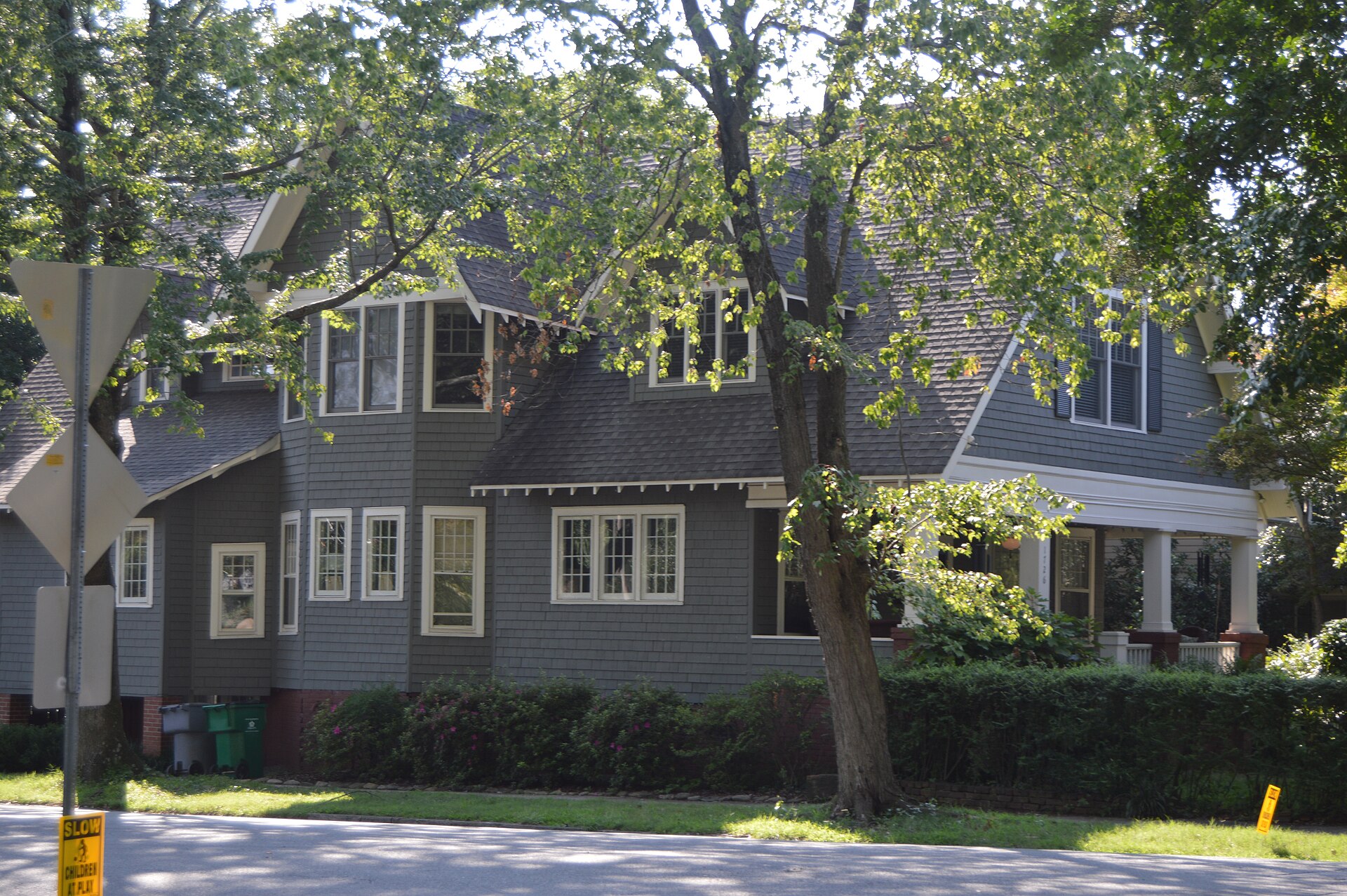
The housing stock is unusual in a way that matters to buyers and investors alike. In the historic district, most principal buildings date from between 1900 and 1941, and roughly 78 percent are single-family houses or small multi-family dwellings. Alongside the detached bungalows and Craftsman, Colonial Revival, and Tudor Revival houses, Elizabeth holds duplexes, triplexes, quadruplexes, and small apartment buildings from the 1920s and 1930s in a concentration the historic survey describes as unusually abundant for North Carolina. That means a buyer here can find a two-unit or four-unit building inside a walkable historic neighborhood two miles from Uptown, which is a genuinely scarce product in this city.
Reliable market figures for Elizabeth specifically are hard to come by, and buyers should know why before they trust a number. The neighborhood is small enough that the major portals do not maintain a separate market page for it, so most published Elizabeth figures are drawn from the wider 28204 area or are broker estimates. There is also a naming trap worth knowing about: Elizabeth City is a separate town roughly 300 miles northeast on the coast, and search results for Elizabeth real estate routinely return its data instead. For context on direction rather than level, Redfin recorded a Charlotte citywide median of about $435,000 over the three months ending May 2026, up roughly 2 percent year over year, with homes taking about 48 days to sell against 43 a year earlier. Elizabeth trades well above the citywide figure, but the gap should be measured against comparable sales rather than assumed.
The Andy Bovender Team serves Elizabeth from a Compass office at 4525 Sharon Road in Charlotte, as part of a footprint that also covers Charleston, Columbia, Wilmington, Fort Mill, Greenville, Lake Murray, and the Outer Banks. Two things make local knowledge worth more here than the tree canopy suggests. First, with houses ranging across four decades of construction and a mix of detached and small multi-family product on the same streets, valuation depends on finding genuinely comparable properties rather than running a per-foot calculation. Second, Elizabeth sits against two hospitals, a large community college campus, and a major arterial, and the effect of those on a specific block varies from negligible to significant within a few hundred feet.
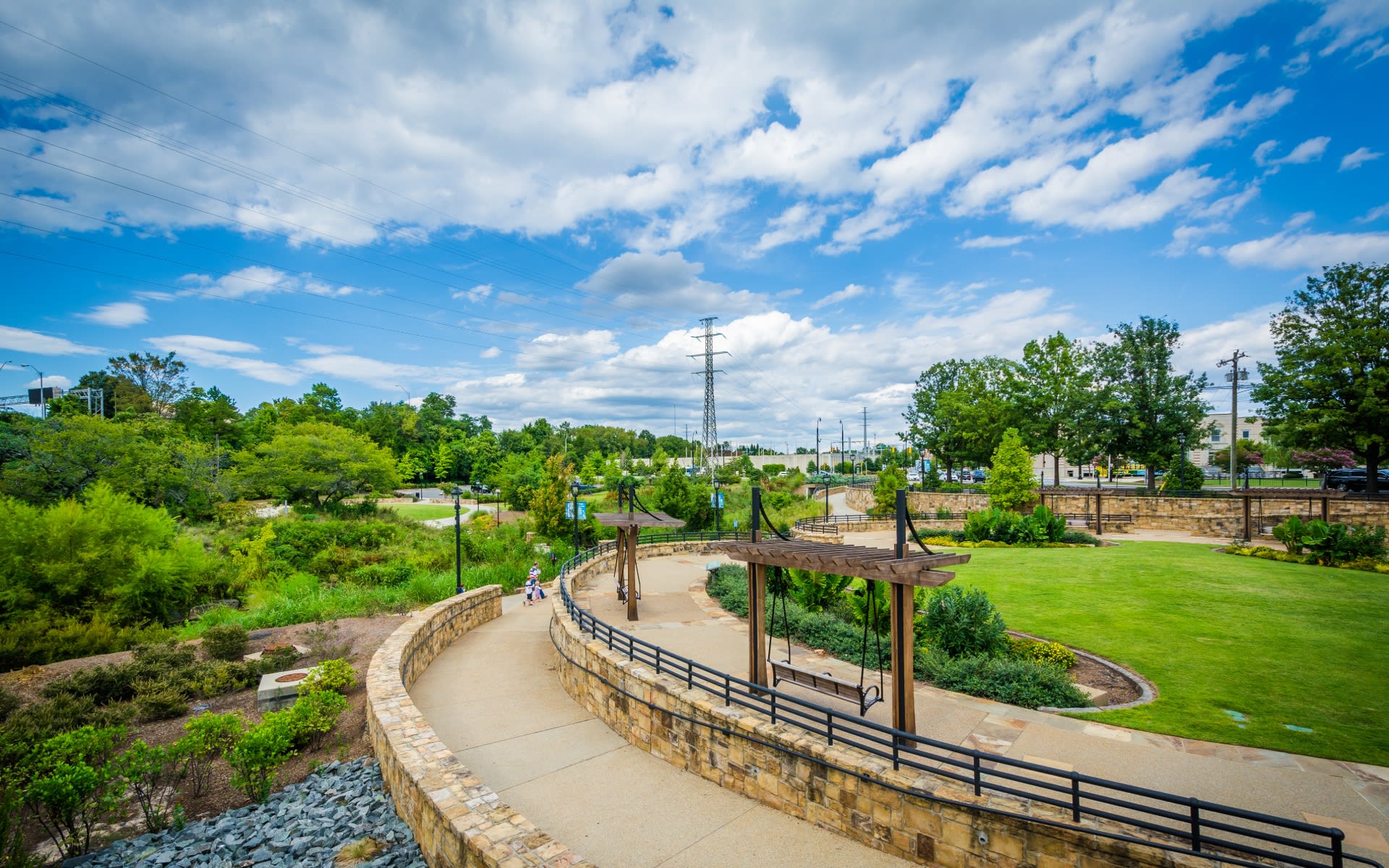
Independence Park at 300 Hawthorne Lane was Charlotte's first public park, with an interior layout provided by John Nolen early in his career. Following a renovation it holds a playground, tennis and basketball courts, open fields, walking paths, and restrooms, and it sits inside the neighborhood rather than at its edge.
Charlotte's CityLYNX Gold Line streetcar serves Elizabeth on its route into Center City, with stops along Elizabeth Avenue and Hawthorne Lane. More than a century after the original trolley built this neighborhood, a streetcar runs the same corridor again.
Elizabeth sits directly east of Uptown, close enough that much of the neighborhood is a walk or a short bike ride from the central business district. That proximity, combined with a full street grid and sidewalks, is what has kept the neighborhood desirable through more than a century of Charlotte's expansion.
Independence Park connects through to the Little Sugar Creek Greenway, which runs north into Uptown and south past Freedom Park. That link puts a continuous paved route through the middle of the city within a short walk of most Elizabeth addresses.
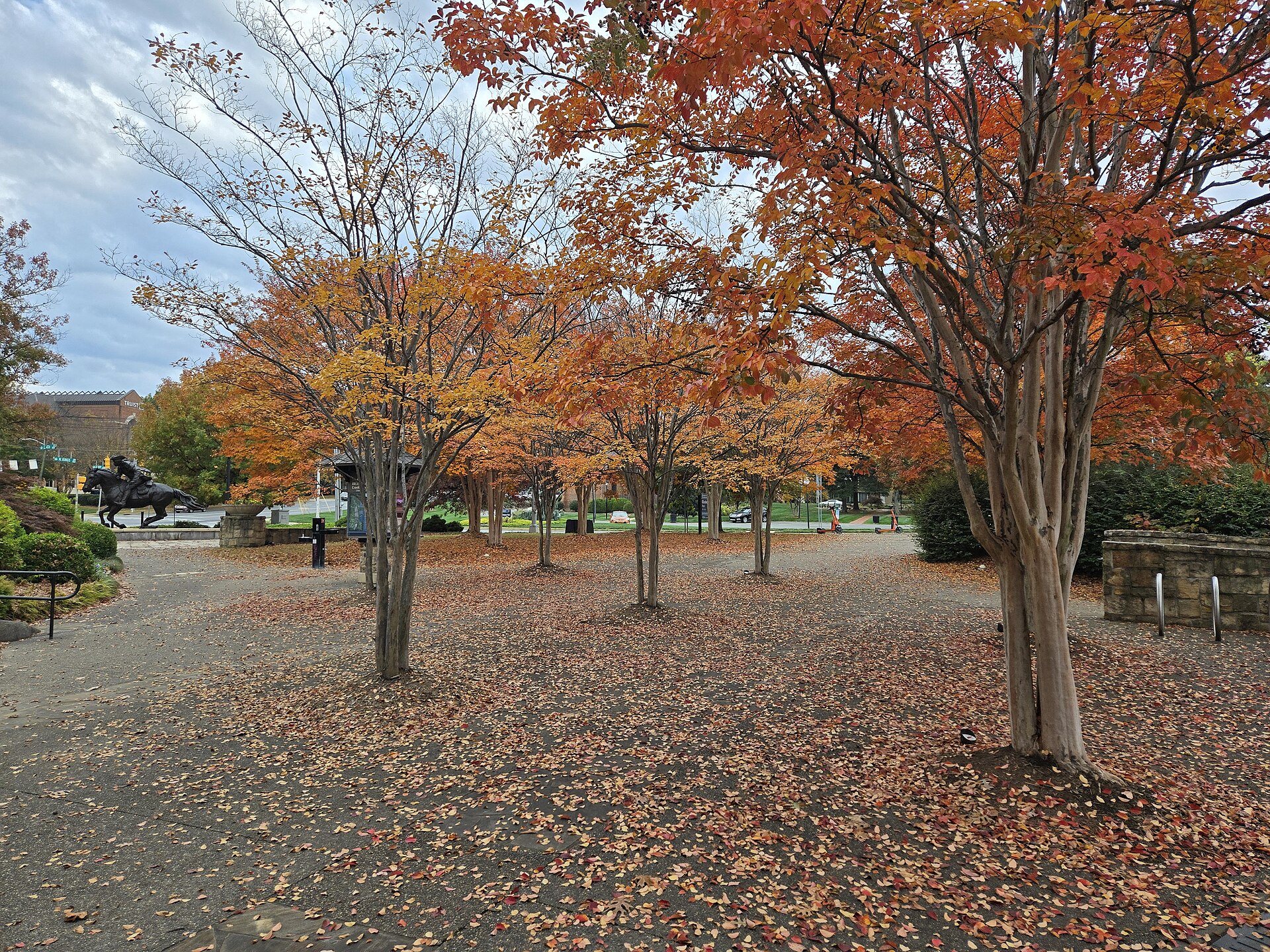
Craftsman bungalows, Colonial Revival and Tudor Revival houses, and 1920s and 1930s apartment buildings sit together under century-old trees, with Gothic Revival and Neoclassical influences carried by the churches and institutional buildings. Very few Charlotte neighborhoods hold that much architectural range inside a few blocks.
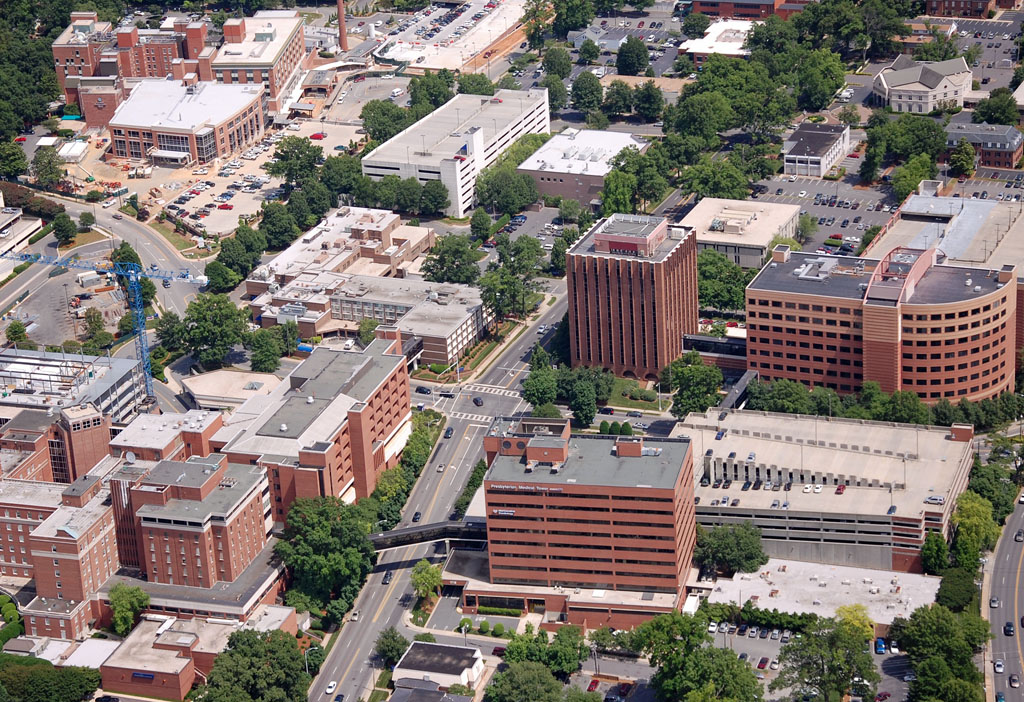
Novant Health Presbyterian Medical Center sits inside the neighborhood and Atrium Health's main campus is a short distance south, with Central Piedmont Community College's central campus on Elizabeth Avenue. That concentration of institutional employment within walking distance is unusual for a historic residential neighborhood.
Elizabeth was assembled from several separate subdivisions, and although they merged into one neighborhood long ago, the differences between its parts are still legible on the ground. Five areas behave differently on price, quiet, and daily life.
The streets around Independence Park hold the most intact residential fabric in Elizabeth and the quietest ground in the neighborhood. Housing runs to bungalows, Craftsman houses, and Colonial Revival and Tudor Revival homes on medium-sized lots with consistent setbacks, under a canopy of trees many of which are more than a century old. Park Drive curves around the park itself, a layout that dates from the original development. This is where a buyer will find the neighborhood that the historic district describes, and where prices sit at the upper end of Elizabeth. Expect the maintenance profile of houses now eighty-five to a hundred and twenty years old, and expect competition when a well-restored house comes up, because turnover on these blocks is limited.
Hawthorne Lane runs through the middle of Elizabeth and carries both some of its grandest surviving houses and the neighborhood's institutional presence, including Novant Health Presbyterian Medical Center and several substantial churches. The housing here includes large early twentieth century homes, some of which have been adapted to institutional or professional use, alongside conventional single-family stock. The trade-off is specific and it varies block by block: hospital shift traffic, ambulance routes, staff parking pressure, and the possibility of institutional expansion all bear on some streets and not others. Buyers should walk a prospective block at a weekday shift change as well as on a Sunday afternoon, because the difference is real.
Elizabeth Avenue is the neighborhood's commercial spine and the closest approach to Uptown, running past the Central Piedmont campus and carrying restaurants, offices, and street-level retail with the Gold Line streetcar along it. Residential product on and immediately around the corridor leans toward condominiums, apartments, and converted or newer attached housing rather than detached houses, which makes this the most accessible entry point into an Elizabeth address and the natural choice for buyers who want to walk to work Uptown. It is also the busiest part of the neighborhood, with campus traffic, evening restaurant activity, and street parking pressure, so it suits a different buyer from the park blocks a few streets away.
East Seventh Street runs east through Elizabeth toward Plaza Midwood and carries the neighborhood's second commercial cluster, a compact run of restaurants and small businesses around the 1900 block. The residential streets on either side hold bungalows and small multi-family buildings, and this is where Elizabeth's duplex, triplex, and quadruplex inventory is most visible. For a buyer looking at small multi-family, this corridor and the blocks feeding it are the place to start, and the diligence questions are different from a single-family purchase: current rent roll, unit configuration, separate metering, parking count, and what the zoning permits. Buyers should confirm all of those for the specific building rather than assuming from the street.
Independence Boulevard cuts through the southern side of Elizabeth and it did so violently: it opened in 1946 as Charlotte's first high-speed thoroughfare and took out part of the neighborhood, including a rose garden, on its way through. Houses nearest it carry the neighborhood's clearest trade-off, gaining on price what they give up in road noise, and the degree varies substantially with lot depth, tree cover, and orientation. This edge also puts a buyer closest to the retail and services along the corridor and within a short drive of Bojangles Coliseum and the surrounding event complex. Walk these blocks at a weekday evening peak before deciding.
Four categories cover the neighborhood, and one of them is scarce enough elsewhere in Charlotte to be worth naming first. Small multi-family buildings, meaning duplexes, triplexes, quadruplexes, and 1920s and 1930s apartment buildings, exist here in a concentration the historic survey calls unusually abundant for North Carolina, and they appeal to buyers who want an income unit inside a walkable historic neighborhood. Detached period houses from roughly 1900 to 1941, in Craftsman, bungalow, Colonial Revival, and Tudor Revival styles, are the character stock and the volume of the market. Larger early twentieth century houses, concentrated on Hawthorne Lane and the older streets, are the top of the market and the thinnest inventory. Condominiums and newer attached housing along Elizabeth Avenue are the entry point. Across all four, the questions that decide value are the same: the condition and permit history of any renovation, what the specific block gets from the hospitals and the arterial, and for multi-family, what the zoning and the current use actually allow.
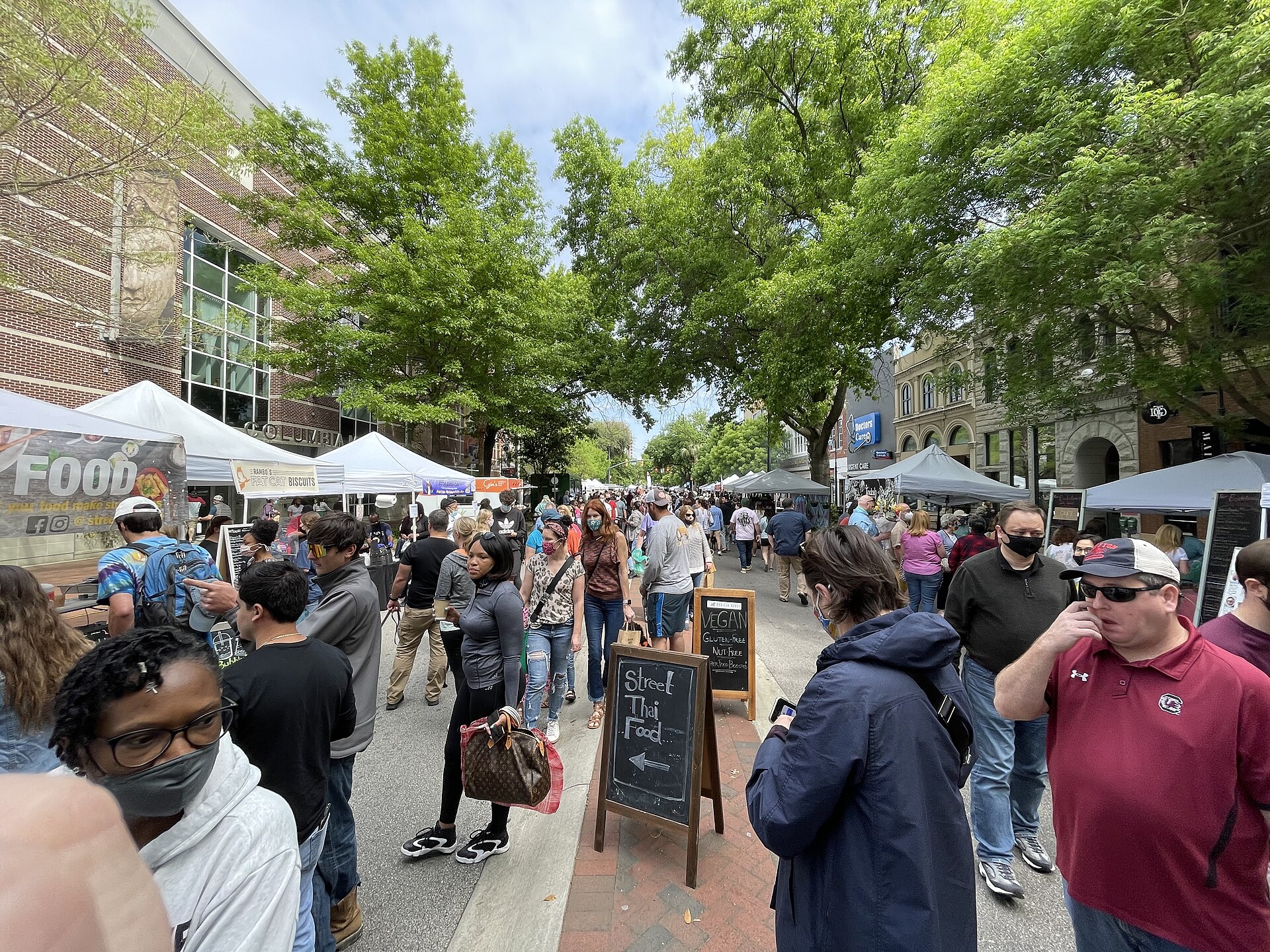
Elizabeth's restaurants sit in two clusters, one on Elizabeth Avenue toward Uptown and one on East Seventh Street toward Plaza Midwood, and both are walkable from most of the neighborhood.
Customshop, at 1601 Elizabeth Avenue, is the neighborhood's fine dining restaurant, working a menu sourced from local farms that rotates regularly, with a small bar and an ambitious cocktail list. Dinner only, closed Sundays and Mondays, and reservations are advisable.
Catalina Kitchen and Bar, at 1942 East 7th Street, is the East Seventh occasion restaurant, open seven days with a wide menu and three hours of validated deck parking, which is worth knowing in this part of town.
Rosemont, at 1942 East 7th Street, shares that building and covers wine, mussels, short rib, and a dog-friendly patio, open seven days including weekend brunch.
Caswell Station, at 366 North Caswell Road, is the neighborhood bar and restaurant, in a house with an indoor-outdoor layout, live music, a dog-friendly patio, and a late license at weekends.
Tajhouse, at 1535 Elizabeth Avenue, does North Indian cooking across lunch and dinner with a cocktail list, closed Mondays and open late on Fridays and Saturdays.
Viva Chicken, at 1617 Elizabeth Avenue, handles Peruvian rotisserie chicken, cilantro rice, and plantains as the everyday option on the corridor, open seven days.
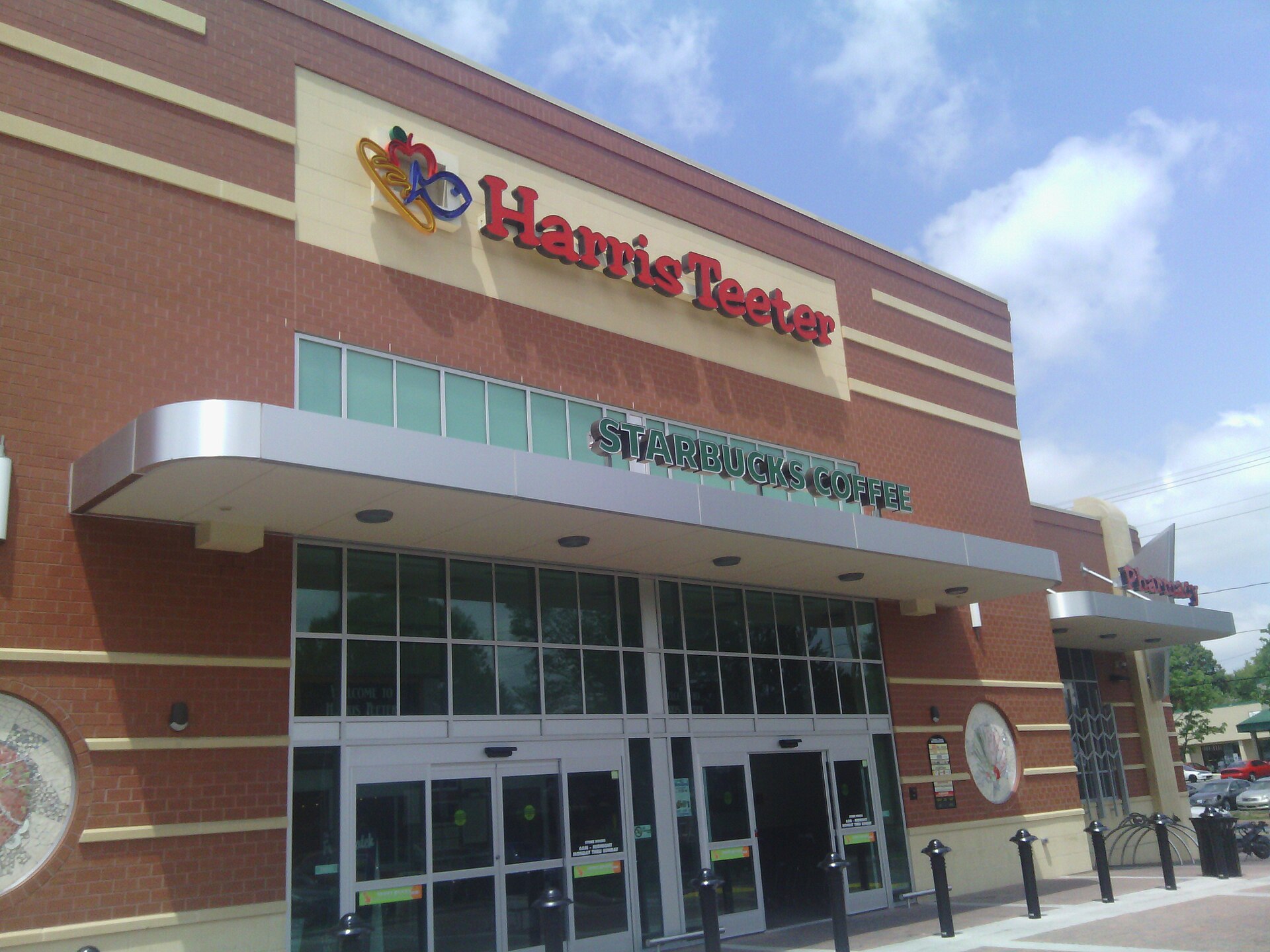
Elizabeth is a residential neighborhood with two commercial edges rather than a shopping district, and that suits most of the people who live here. Elizabeth Avenue carries restaurants, coffee, services, and street-level retail alongside the Central Piedmont campus, with the Gold Line running down it. East Seventh Street holds the second cluster, smaller and more restaurant-led, running toward Plaza Midwood's Central Avenue for independent retail. For groceries and everyday errands, residents use the stores along Independence Boulevard on the southern edge and the Central Avenue corridor to the north, both a short drive, and one of the practical arguments for Elizabeth is that a resident can reach a park, a pharmacy, and a grocery store within a walk of about fifteen minutes from much of the neighborhood. For larger shopping, Uptown is two miles west and SouthPark about fifteen minutes south. Street parking rather than lots is the norm on both commercial edges.
Independence Park at 300 Hawthorne Lane is the centerpiece and the reason the neighborhood is laid out the way it is, being Charlotte's first public park. Following renovation it holds a playground, tennis and basketball courts, open fields for soccer, sidewalks throughout, benches, and restrooms, and it is open daily. From the park a greenway link connects through to the Little Sugar Creek Greenway, which runs north into Uptown and south past Freedom Park in Dilworth, giving Elizabeth residents a continuous paved route through the middle of the city on foot or by bike.
Beyond the park, the neighborhood's cultural life runs on its own architecture and its proximity to everything else. Elizabeth holds several designated historic landmarks, including houses associated with a department store founder and with the Duke Power executive for whom Lake Norman is named. Charlotte's annual restaurant week draws diners to the East Seventh cluster. Bojangles Coliseum is a short drive east on Independence Boulevard for touring productions and hockey, and the Mint Museum's Randolph Road building is a similar distance south. For professional sport, the Levine Center museums, and major performance venues, residents walk or ride two miles into Uptown, which is covered on its own page.
Elizabeth is known as one of Charlotte's oldest neighborhoods, just southeast of Uptown in Mecklenburg County, North Carolina. The city's second-oldest neighborhood, it is recognized for tree-lined streets, historic character homes, Independence Park, the Elizabeth Avenue and 7th Street dining corridors, the CityLYNX Gold Line streetcar, and major hospitals and Central Piedmont Community College.
Living in Elizabeth blends historic charm with walkability close to the city. Residents walk to restaurants and coffee shops along 7th Street and Elizabeth Avenue, spend time in Independence Park, and reach Uptown in minutes by car, streetcar, or bus. The neighborhood draws professionals and families who want character and a central location.
Homes in Elizabeth carry a median around $790,000 to $800,000, well above the Charlotte-wide median. Townhomes start in the $700,000s, renovated bungalows and historic homes run from the $700,000s to $1.3 million, and larger and new-construction homes reach $1.5 million to $2.6 million or more.
Elizabeth offers historic single-family homes, including Craftsman bungalows and larger character homes, alongside luxury new-construction homes and multi-level townhomes in communities like Elizabeth Glen and the Towers at Mattie Rose, plus condos. The mix spans renovated historic homes and modern infill, with limited supply keeping demand strong.
Elizabeth sits about 2 miles southeast of Uptown Charlotte, in Mecklenburg County, North Carolina, between Uptown, Plaza Midwood, and Cherry, along Elizabeth Avenue and 7th Street, served by the CityLYNX Gold Line. Students attend Charlotte-Mecklenburg Schools, with assignments set by exact address, so buyers should verify the schools for a specific home.

The Andy Bovender Team pairs deep Carolinas market knowledge with the reach of Compass. Expect straight answers, sharp preparation, and a process that stays simple, whether you are buying, selling, or both.