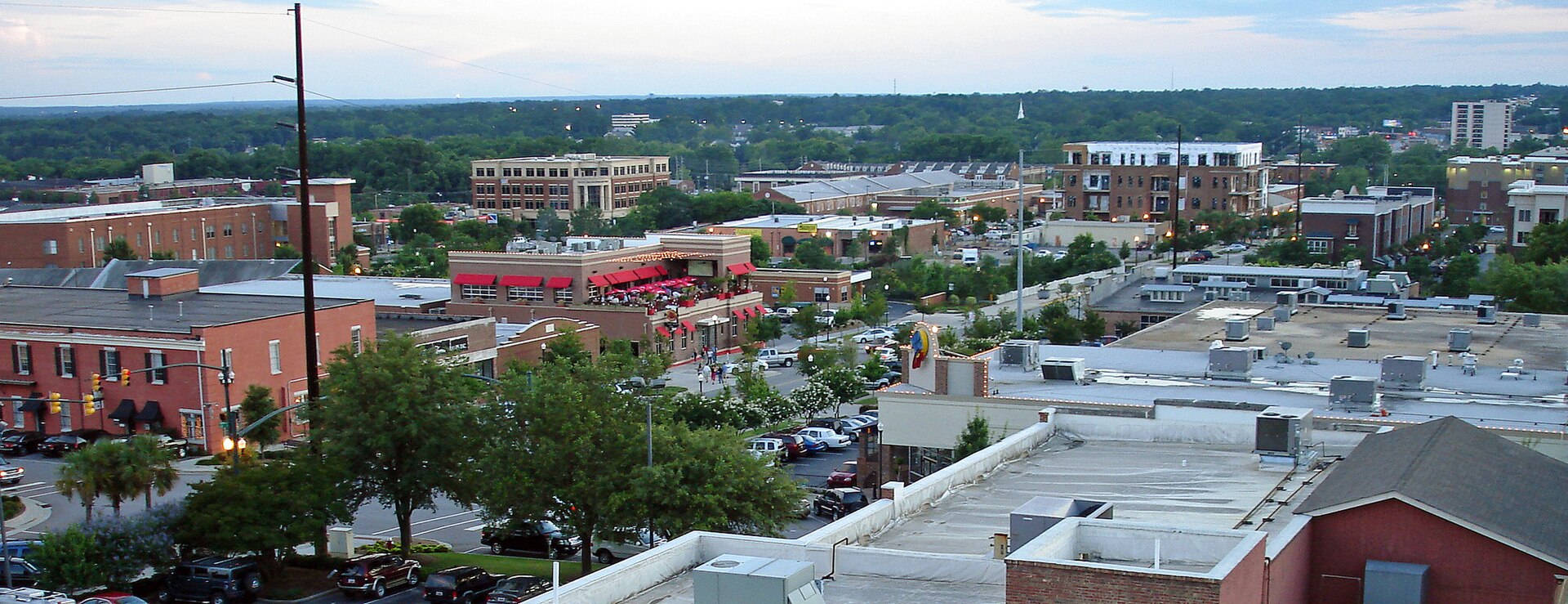
Dilworth is a central Charlotte neighborhood known for early streetcar-era streets, mature tree canopy and close access to South End, Freedom Park and the Little Sugar Creek corridor.
Discover Local CommunitiesHistoric-district boundaries protect only portions of the area and are not interchangeable with the broader neighborhood name. Confirm whether a property is inside a local historic district before making design-review claims.
Established residential blocks sit close to greenways, parks, medical employment and South End amenities. The neighborhood's street pattern supports short trips on foot or bicycle in many areas, although conditions vary by block.
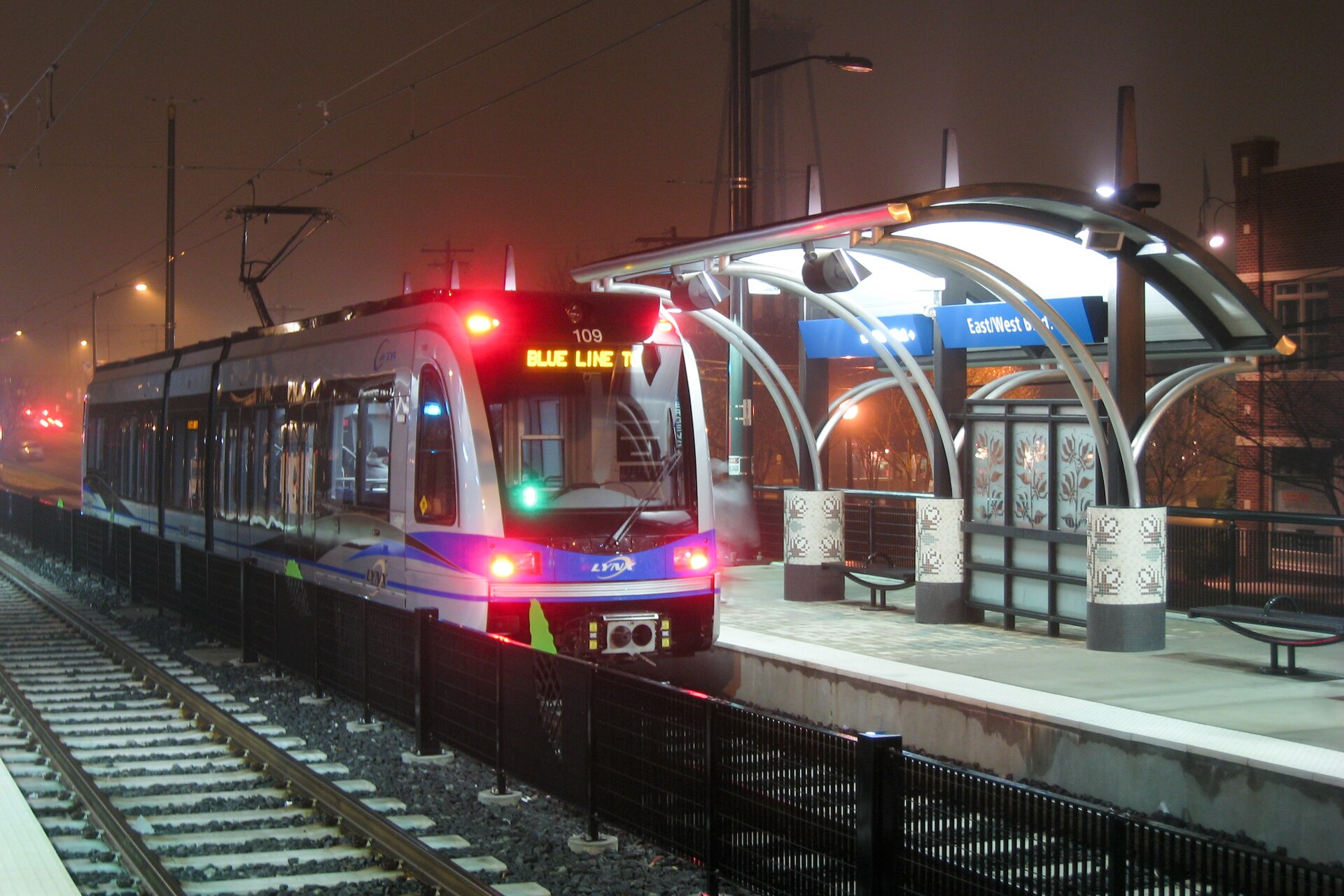
Residents can combine neighborhood walks and greenway recreation with quick access to Uptown and the Blue Line. Streets nearer South Boulevard and major institutions feel more active than the quieter interior blocks.
Freedom Park, Little Sugar Creek Greenway and nearby cultural and sports venues offer recreation. CMS boundaries and grade configurations change; Dilworth Elementary currently serves early grades, and all assignments require address verification.
Local restaurants and services are found along East Boulevard, Park Road and the edge of South End, with broader retail a short trip away. The page should describe corridors rather than promise a fixed tenant mix.
Dilworth sits immediately south of Uptown Charlotte and is the city's first streetcar suburb, and the range of Dilworth homes for sale runs from condominiums and townhomes in the $400,000s to restored and rebuilt houses above $2 million. Edward Dilworth Latta formed the Charlotte Consolidated Construction Company in 1890, known locally as the Four Cs, bought several hundred acres of farmland south of the city, and opened the suburb in May 1891, two days after Charlotte's first electric streetcar began running. The trolley advertised itself with the line about buying a home in Dilworth for rent money. East Boulevard ran through the middle of the plan and still does, carrying the neighborhood's restaurants and shops today.
The most useful thing to understand about Dilworth is that it was laid out twice, and a buyer can see the seam. The original 1891 sections were platted on a straight grid modeled on Charlotte's four wards, and Dilworth was initially designated the Eighth Ward. Two decades later Latta expanded the suburb and hired the Olmsted landscape firm from Boston, which added the winding Dilworth Road and the curving side streets that run through the southern part of the neighborhood. The result is two distinct street patterns, two distinct eras of housing, and two distinct feels inside one historic district, and which one a listing sits in matters more to its character than its square footage does.
Market figures for Dilworth swing wildly and buyers should treat any single one with suspicion. Redfin snapshots for the neighborhood have shown a median of about $813,000 in one period and an average of about $626,000 in another, with year-over-year changes reported at both plus 51 percent and minus 16 percent. The Dilworth Historic District figure has run around $790,000, down about 13 percent, at about $517 per square foot, up about 14 percent, on a sample of nine sales in the month. Those swings are a function of small samples in a neighborhood where a restored Olmsted-section house and a grid-section condominium are both Dilworth. Zillow's home value index, which smooths the mix, sat near $764,000 and up about 0.5 percent, and one market summary put the median near $740,000 and up about 4 percent. The steadier reading is that Dilworth is roughly flat to modestly up, not moving 50 percent in either direction.
The Andy Bovender Team serves Dilworth from a Compass office at 4525 Sharon Road in Charlotte, as part of a footprint that also covers Charleston, Columbia, Wilmington, Fort Mill, Greenville, Lake Murray, and the Outer Banks. Two things make representation matter here. First, given how far the reported figures diverge, pricing a Dilworth property requires comparables drawn from the same section, the same era, and the same condition, and a valuation built on neighborhood averages will be wrong by a wide margin in one direction or the other. Second, this is a National Register historic district with houses well over a century old, so renovation history, permit status, foundation type, and original systems matter more than the finishes a listing photograph shows.
Freedom Park at 1908 East Boulevard is the city's most heavily used park, with a loop around a pond, playgrounds, sports fields, a bandshell, and paths connecting into the greenway. It sits at the southern end of the neighborhood and it is the single biggest amenity any Dilworth address carries.
Latta Park at 601 East Park Avenue was laid out by Joseph Forsyth Johnson as the recreation ground that Latta used to sell the suburb in 1891, with the streetcar running out to it. Today it holds walking paths under mature trees, a playground, a basketball court, and a splash ground in the middle of the Olmsted section.
The 1891 sections run on a straight grid and the 1911 expansion runs on winding Olmsted-designed streets, which means a buyer can choose between two genuinely different kinds of block inside the same historic district. Almost no other Charlotte neighborhood offers that choice.
East Boulevard runs through the middle of Dilworth carrying restaurants, coffee, services, and shops for well over a mile, with 300 East, Kid Cashew, The Penguin Drive-In, and YAFO Kitchen among them. Residents walk to dinner rather than driving to it, which is rare this close to Uptown.
The Little Sugar Creek Greenway passes along the eastern side of Dilworth, connecting Freedom Park north into Uptown and on toward Elizabeth, and south toward Park Road. It gives the neighborhood a continuous paved route for walking and cycling without crossing a road.
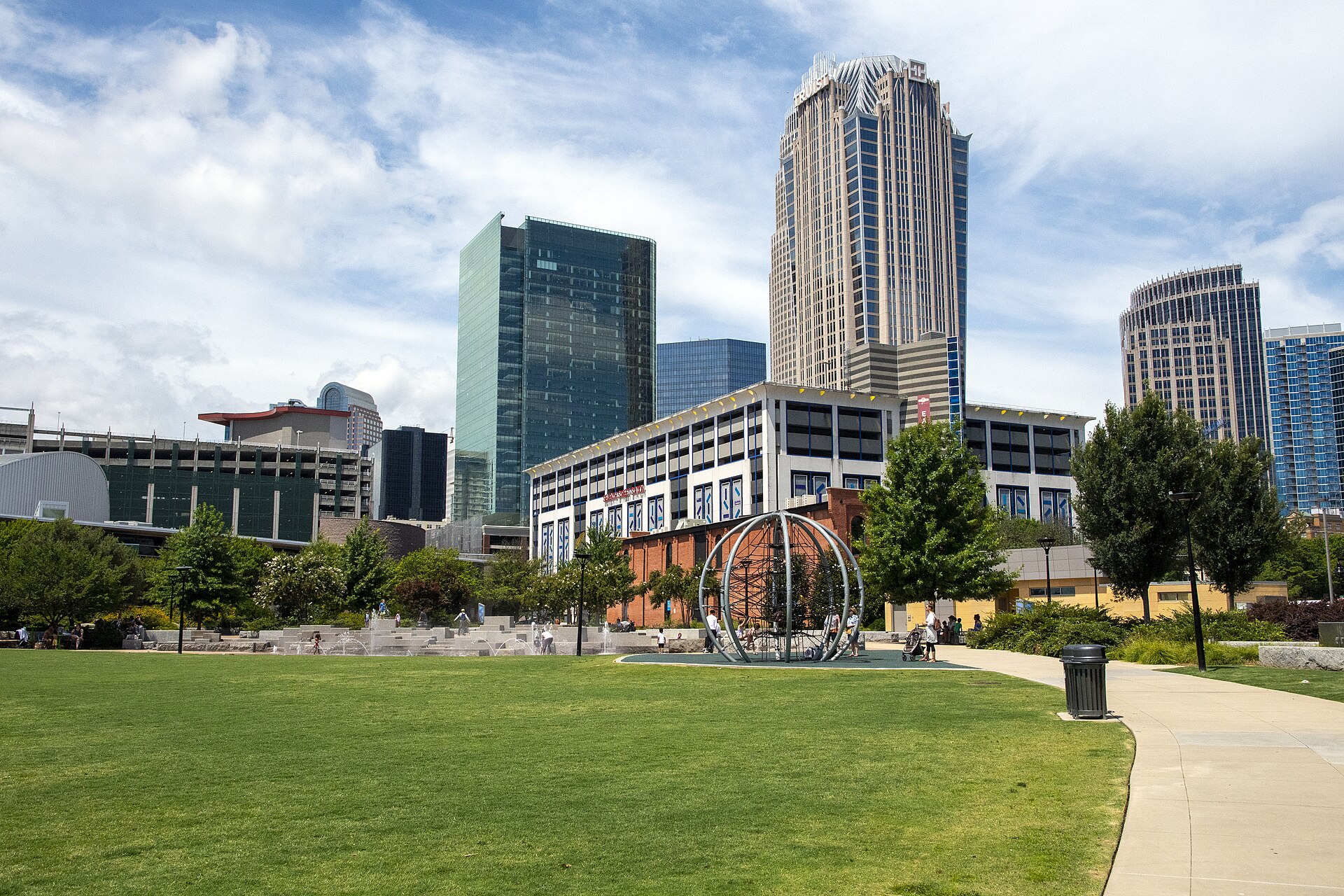
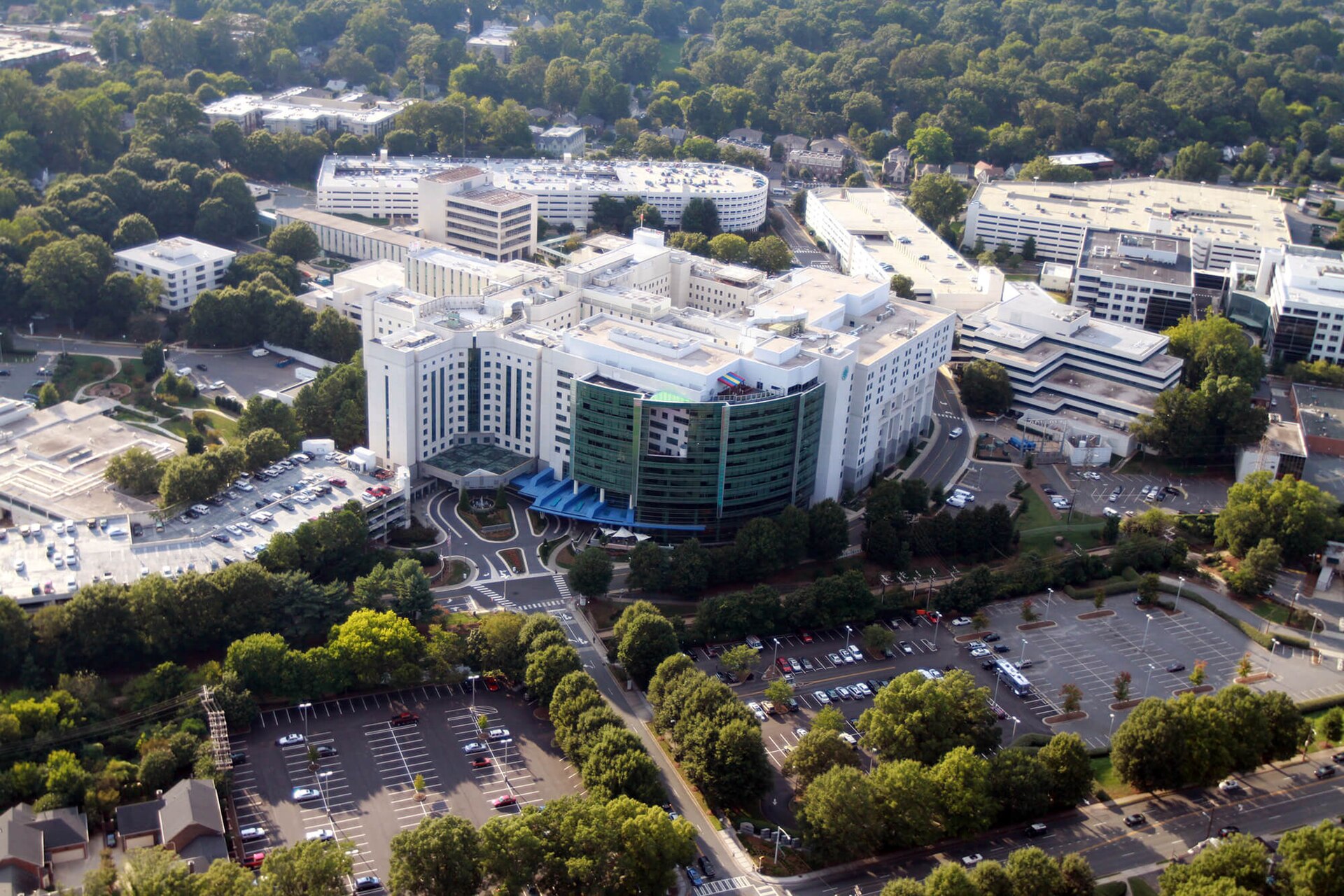
Dilworth sits directly south of Uptown, close enough to walk, and Atrium Health's main hospital campus is on its eastern edge. That combination of central business district and medical employment within a mile is why the neighborhood has held its value across more than a century.
Dilworth was laid out in two stages twenty years apart, and the seam between them is the most useful dividing line in the neighborhood. Five areas behave differently, and the first two are the ones a buyer chooses between.
The original sections north of Latta Park run on a straight grid of streets modeled on Charlotte's four wards, with Kingston Avenue among them, and this is where the earliest housing sits. Product runs to bungalows, Queen Anne cottages, and early twentieth century vernacular houses on relatively narrow lots with consistent setbacks, alongside renovations and a number of rebuilds. Lots here are generally smaller than in the Olmsted section and the streets are more tightly gridded, which makes this part of Dilworth feel closer to Uptown and to South End, both of which it borders. It is generally the more accessible half of the neighborhood on price. Expect the diligence profile of houses well over a century old, and check permit history on any renovation carefully.
South of the original grid, the 1911 expansion runs on winding streets laid out by the Olmsted landscape firm, with Dilworth Road curving through the middle and side streets following the topography rather than a plat. Housing here runs larger and later, with red-brick Georgian Colonials, substantial bungalows, and revival-style houses on wider lots under a canopy of century-old oaks, and it includes the top of the Dilworth market. Latta Park sits at its heart. This is the part of the neighborhood most buyers picture when they picture Dilworth, and it is where turnover is slowest and competition for a well-restored house is strongest. Historic district review applies here as it does across the neighborhood, so confirm what may be altered before planning work.
East Boulevard runs the length of the neighborhood and is its commercial spine, carrying restaurants, coffee, services, and retail from the Uptown end down past Freedom Park. Residential product on and immediately off the corridor leans toward condominiums, townhomes, and converted or newer attached housing rather than detached houses, which makes it the entry point into a Dilworth address and the natural choice for buyers who want to walk to dinner and to the greenway. The trade-off is the one that comes with any commercial street: evening activity, delivery traffic, and street parking pressure, all of which drop off sharply one or two blocks in. Walk the specific block on a Friday evening as well as a Tuesday morning.
Dilworth's western boundary runs against South End along the South Boulevard and rail corridor, and this edge has changed more than any other part of the neighborhood in the past two decades. Atherton Mill, the oldest factory building in Dilworth, anchors a redeveloped mixed-use area here, and the LYNX Blue Line runs along the corridor. Housing on this side is the most modern in the neighborhood, running to condominiums, townhomes, and newer attached product rather than period houses, and it appeals to buyers who want light rail access and new construction with a historic neighborhood behind them. Buyers should look at what is approved and under construction nearby, because this corridor is still actively developing.
The southern and eastern edges of Dilworth carry the neighborhood's two largest neighbors, and they pull in opposite directions. To the south, streets adjoining Freedom Park and the greenway carry a premium for frontage onto the city's most used park, with the corresponding weekend foot traffic and event activity. To the east, Atrium Health's main hospital campus generates shift traffic, ambulance routes, and staff parking pressure that bear on some blocks and not others, while also supporting demand and resale. Both edges are worth walking at different times of the week before an offer, because in each case the thing that makes the block valuable is also the thing that makes it busy.
Four categories cover the neighborhood. Period houses from roughly 1891 through the 1930s, in bungalow, Queen Anne, Georgian Colonial, and revival styles, are the character stock and the reason most buyers look here, with the larger examples concentrated in the Olmsted section. Renovated and rebuilt houses on original lots are the top of the market and can run several times the square footage of the house next door, which is the main reason neighborhood averages mislead. Condominiums and townhomes along East Boulevard and the South End edge are the entry point and the only significant attached product. Small multi-family and converted buildings appear scattered through the grid sections. Across all four, three questions decide value: which section the property sits in, what the historic district review permits for it, and what any previous renovation actually did and under what permit.
Almost all of Dilworth's dining sits on East Boulevard, spread along more than a mile of it, which means most of the neighborhood is a walk from somewhere to eat rather than a drive.
300 East, at 300 East Boulevard, has been the neighborhood's benchmark restaurant for decades, working through salmon, seared tuna, and sandwiches in a converted historic house with cozy booths downstairs and quieter seating upstairs. Open seven days including weekend brunch.
Kid Cashew, at 1608 East Boulevard, does wood-fired Mediterranean cooking with an unusually deep range of vegan and vegetarian options and a long salad list, open seven days at reasonable prices for the neighborhood.
The Penguin Drive-In, at 1531 East Boulevard, is the neighborhood institution, doing burgers, hot dogs, fried pickles, and truffle fries with a free indoor arcade. Open seven days.
YAFO Kitchen, at 1231A East Boulevard, is the everyday Mediterranean option, building bowls and pitas to order with falafel, schnitzel, and shawarma, with outdoor seating and generous portions. Open seven days.
Vibe Cafe and Wine Bar, at 1315 East Boulevard, covers coffee, matcha, dumplings, and Eastern European dishes through the day and turns into a wine bar in the evening, with outdoor seating. Open seven days.
East Boulevard handles most of daily life in Dilworth, and it does it in low-rise storefronts along a walkable street rather than in a center. The corridor carries restaurants, coffee, salons, fitness studios, services, boutiques, and a grocery store, running from the Uptown end down past Freedom Park, and the character shifts as you move along it from more urban at the north end to more neighborhood-scaled at the south. On the western edge, the Atherton Mill area in South End adds newer retail and restaurants in a redeveloped mill setting, with the LYNX Blue Line alongside it. Beyond those two, SouthPark is about ten minutes south for department stores and larger retail, and Uptown is a mile north. Buyers should note that street parking rather than lots is the norm along East Boulevard, and that it tightens considerably in the evenings and at weekends near the restaurant cluster.
Dilworth's park provision is the best of any close-in Charlotte neighborhood. Freedom Park at 1908 East Boulevard sits at the southern end with a loop around a pond, playgrounds, sports fields, a bandshell, picnic areas, and interpretive signs on the park's history, and it draws people from across the city. Latta Park at 601 East Park Avenue sits in the middle of the Olmsted section with walking paths under mature trees, a playground, a basketball court, and a splash ground, and it is the neighborhood's own park rather than a citywide destination. The Little Sugar Creek Greenway runs along the eastern side, connecting Freedom Park north into Uptown and on toward Elizabeth, which gives Dilworth a continuous paved route through the middle of the city.
Beyond the parks, the neighborhood's interest is largely its own architecture, and Dilworth's history is unusually legible on the ground: a sculpture on Dilworth Road East, made from streetcar rails salvaged during street repaving, marks the line that created the suburb. For professional sport, museums, and major performance venues, residents walk or ride a mile north into Uptown, which is covered on its own page. Charlotte Douglas International Airport is roughly fifteen minutes west.
Dilworth is known as one of Charlotte's most historic neighborhoods, just south of Uptown in Mecklenburg County, North Carolina. Charlotte's first streetcar suburb, it is recognized for tree-lined streets, historic bungalows and revival-style homes, the East Boulevard dining corridor, Latta Park, and walkability to Uptown, the medical district, and South End.
Living in Dilworth pairs historic character with urban convenience. Residents walk to East Boulevard restaurants and shops, spend time in Latta Park and adjacent Freedom Park, and reach Uptown and South End quickly. The tree canopy and bungalow streetscape give it an established feel, popular with buyers who want walkability close to the city center.
Homes in Dilworth carry a median around $685,000 to $765,000, well above the Charlotte-wide median. Condos and townhomes start from the $275,000s to $400,000s, renovated bungalows and historic homes run from the $600,000s to $1.1 million, and larger luxury and custom homes reach $2 million to $3.8 million or more.
Dilworth offers historic bungalows and revival-style homes in Georgian, Colonial, and Tudor designs, plus custom modern homes, fully renovated residences, condos, townhomes, and apartment-style units. East Boulevard mixes in commercial and residential buildings, giving buyers options from smaller condos to premium single-family homes on tree-lined streets.
Dilworth sits just south of Uptown Charlotte, in Mecklenburg County, North Carolina, between Uptown, South End, and Myers Park, along East Boulevard and South Boulevard. Latta Park and Freedom Park anchor the area. Students attend Charlotte-Mecklenburg Schools, including Dilworth Elementary at the Latta Campus, Sedgefield Middle, and Myers Park High.

The Andy Bovender Team pairs deep Carolinas market knowledge with the reach of Compass. Expect straight answers, sharp preparation, and a process that stays simple, whether you are buying, selling, or both.