Davidson is a compact Lake Norman-area town organized around a walkable Main Street, Davidson College, connected neighborhoods and a growing network of parks and greenways.
Discover Local CommunitiesMost of the town is in Mecklenburg County, but Davidson also crosses into Iredell County. Whole-town Census data are valid for demographics; district-specific services and school assignment still require a parcel address.
The town pairs a traditional center with public greenways, neighborhood parks and access to Lake Davidson. Its civic calendar and college setting add lectures, arts, athletics and community events to everyday life.
Walking and cycling are practical for some trips near downtown and the greenway network, while I-77 supports regional commuting. Residential areas range from historic streets close to Main Street to newer neighborhoods farther east and south.
Davidson's parks, more than six miles of town greenways and Lake Davidson Nature Preserve support outdoor activity. Depending on the parcel, public schools may be CMS or Iredell-Statesville; Community School of Davidson is a charter and is not an address assignment.
Main Street and nearby mixed-use areas contain local restaurants, cafes, services and shops. Larger retail trips typically extend into Cornelius, Huntersville or Mooresville.
Davidson is a small town in northern Mecklenburg County built around Davidson College, and the range of Davidson homes for sale runs from townhomes near $400,000 to lakefront and estate property above $2 million. It sits on the eastern shore of Lake Norman about twenty-five minutes north of Uptown Charlotte, immediately north of Cornelius, with Interstate 77 on its western side and the NC-115 corridor running through it. What separates Davidson from the other Lake Norman towns is that it has a genuine downtown: a walkable Main Street of independent restaurants and shops running straight into a college campus, rather than a highway commercial strip. That single fact explains most of what the market does here.
Davidson carries the highest housing prices of the Lake Norman towns, and the premium is for the town rather than for the water. Redfin recorded a Davidson median sale price of about $685,000 over the three months ending May 2026, down roughly 2 percent year over year, with homes taking about 63 days to sell against 48 a year earlier and 75 closings in May against 101 the year before. Its Redfin Compete Score sits at 40 out of 100. One aggregator reported a June 2026 median list price near $770,000 at about $332 per square foot with roughly 86 days on market and about 209 active listings. Sold and list figures are not the same measure, and the gap between them here is a reminder to ask which one a number refers to.
Read together, those figures describe a market where prices have held roughly flat while pace has slowed noticeably and volume has fallen by about a quarter. That is a buyer gaining room to negotiate rather than a market in trouble, and it is a familiar pattern across the Charlotte region this year. For Davidson specifically it matters more than most, because the town's inventory is small enough that a slow quarter shows up sharply in the numbers, and because the housing spans everything from campus-adjacent cottages to lakefront, which makes the town-wide median a poor guide to any individual purchase. Comparables here need to come from the same product type, not from the same ZIP code.
The Andy Bovender Team serves Davidson from a Compass office at 4525 Sharon Road in Charlotte, as part of a footprint that also covers Charleston, Columbia, Wilmington, Fort Mill, Greenville, Lake Murray, and the Outer Banks. Two things make local knowledge worth more here than the Main Street photographs suggest. First, Davidson has a long history of active town planning, with design standards and development requirements that are stricter than its neighbors, so what can be built, added, or altered on a given lot is a real question rather than a formality. Second, walkability to Main Street and the campus is the single largest price variable in town, and it drops off faster than a map suggests once you cross the interstate or the rail line.
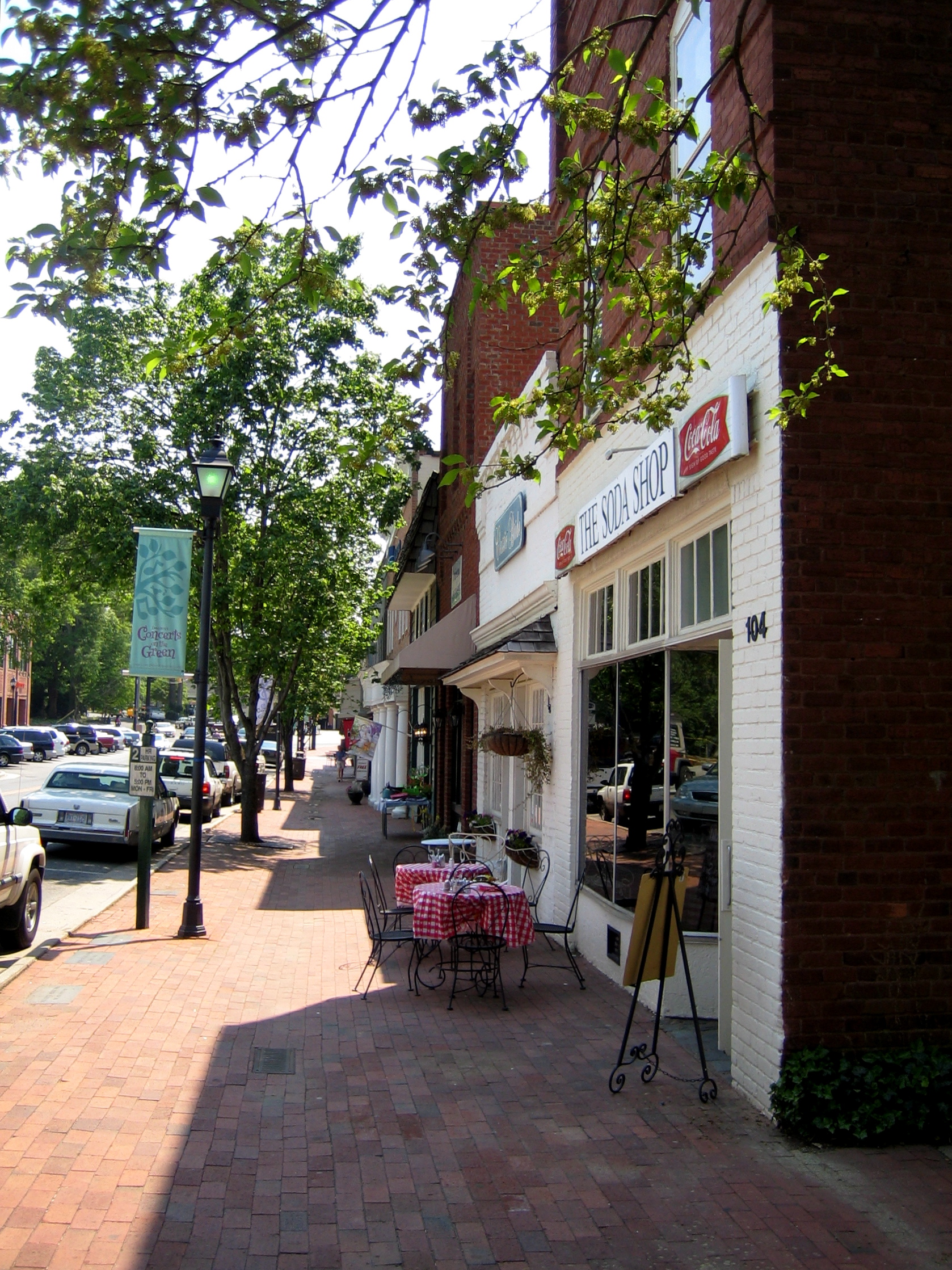
Davidson's Main Street carries independent restaurants, shops, and a bookstore for several blocks and then runs directly into the Davidson College campus at 405 North Main Street. Almost no other town in the Charlotte region has a downtown that works this way, and it is the reason Davidson prices the way it does.
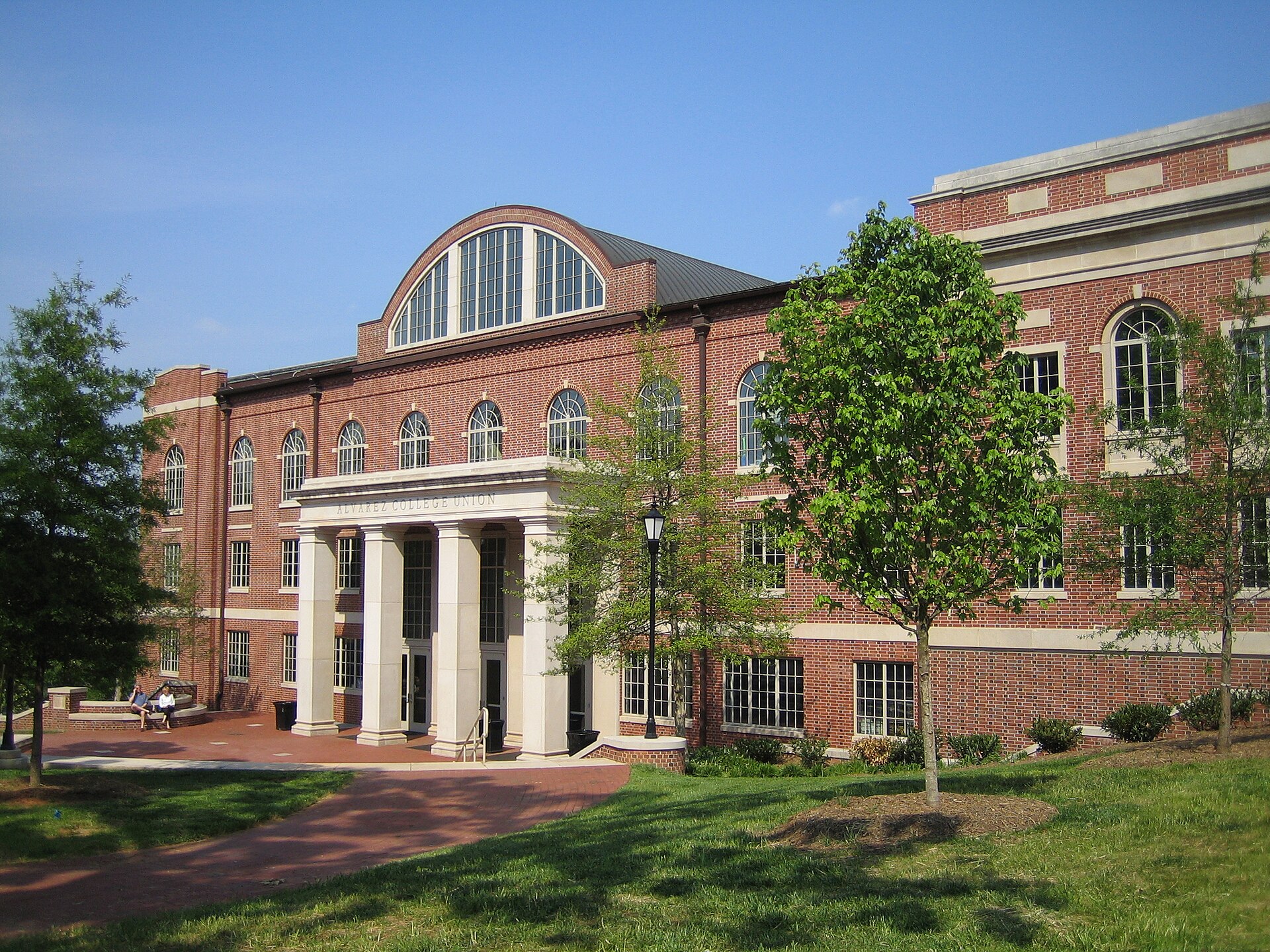
The college campus is walkable, with brick buildings, outdoor sculpture, and open grounds, and it opens much of its programming to residents, including lectures, concerts, theater, and athletics. For a town of Davidson's size that is an unusual amount of cultural life within walking distance.
Fisher Farm at 21215 Shearer Road holds walking and mountain biking trails through woods and open meadow, maintained with help from a local trail organization, with restrooms and water on site. It is a few minutes from downtown and it is the best trail network in the northern Mecklenburg towns.
Roosevelt Wilson Park at 420 Griffith Street has a pond boardwalk, a climbing playground, exercise stations, and a pavilion. Beaty Park at 832 Beaty Street adds a wooden playground, a pond trail, gardens, and restrooms. Both are shaded, both are walkable from parts of town, and Fisher Farm covers the trails.
Davidson reaches Lake Norman on its western edge while Interstate 77 runs down the same side, which puts boating and a Charlotte commute within a few minutes of each other. Uptown is roughly twenty-five minutes south outside peak hours, and peak-hour traffic on I-77 is a real and recurring issue.
Davidson has a long record of active town planning, with design standards and development requirements that are stricter than those of the towns around it. That is the reason Main Street looks the way it does, and it is a genuine constraint on what an owner can change as well as a guarantee about what the neighbors can.
Davidson is small enough to walk across, but the differences between its parts are sharp, and the main variable is distance from Main Street. Four areas behave as distinct markets, and the interstate and the rail line are the lines that separate them.
The blocks around Main Street and the Davidson College campus hold the town's oldest housing and its only genuinely walkable ground, and they carry the highest prices per square foot in town. Housing runs to older detached houses on established streets, some dating well back into the twentieth century, alongside a limited supply of townhomes and attached product. What a buyer gets here is the thing Davidson is actually known for: the ability to walk to dinner, to the campus, to a park, and to the farmers market. What a buyer accepts is a small lot, older systems, limited inventory, and college-town rhythms, meaning event traffic and parking pressure on game days and during term. This is the pocket where the design standards bear most directly, so confirm what can be altered before planning any work.
West of Interstate 77 the town runs toward Lake Norman, and the product changes completely. This is where Davidson's waterfront and water-access housing sits, in established communities laid out when the shoreline was developed, alongside golf-oriented neighborhoods and larger-lot inventory. Housing runs to substantial detached houses from roughly the 1980s onward, with both waterfront and off-water lots inside the same communities, and it includes the top of the Davidson market. The trade-off is that walkability to Main Street effectively ends at the interstate, so this side of town is a driving proposition. On the water, verify pier permit status and water depth directly rather than relying on photographs.
Davidson's more recent residential growth sits in planned communities on the edges of town, built largely from the 1990s onward to the town's design standards, which is why they generally read as more traditional than comparable subdivisions elsewhere in the region. Product runs to detached houses on modest lots with front porches, alongside townhomes and attached product, usually with a homeowners association and often with a pool, a green, or a trail connection. This is the volume of the Davidson market and the segment where buyers relocating into the area most often land, because it offers current mechanicals and layouts at a price the downtown blocks do not reach. Read the association documents, and in newer phases ask what remains to be built.
East of the rail line and running out along Davidson-Concord Road, the town gives way to larger lots, wooded parcels, and scattered acreage before reaching Fisher Farm and the county line. Housing here is a mix of older detached houses, newer custom construction on larger sites, and small pockets of subdivision development, and it is where a buyer looking for land inside the Davidson town limits should start. The trade-offs are the ones that come with any semi-rural edge: a longer drive to Main Street, and water supply, septic status, and road maintenance responsibility that need establishing per parcel rather than assumed. Fisher Farm's trail network is the compensation, and it is a substantial one.
Four categories cover the town. Older detached houses in and around downtown are the character stock, the smallest lots, and the highest price per square foot, bought for walkability rather than for space. Waterfront and water-access houses on the west side are the top of the market and are priced on shoreline characteristics rather than square footage. Newer planned-community houses on the edges are the volume of the market and the most current construction. Townhomes and attached product, scattered through downtown and the newer communities, are the entry point into a Davidson address. Across all four, three questions decide value here: how far the front door is from Main Street on foot, what the town's design standards permit for that specific property, and what the association covers and costs.
Nearly all of Davidson's dining sits on or within a block of Main Street, which is unusual for a Lake Norman town and is the reason residents talk about walking to dinner rather than driving to it.
Flatiron Kitchen and Taphouse, at 215 South Main Street, is the town's benchmark restaurant, working a wood-fired grill through seasonal dishes with a deep beer, wine, and bourbon list and sidewalk seating. Open seven days across lunch and dinner with a break between services, and dog friendly outside.
Brickhouse Tavern, at 209 Delburg Street, is the large casual option in a historic brick building, covering pizza, stromboli, fish and chips, and barbecue with house beer on tap. Open seven days and late at the end of the week.
The Crazy Pig, at 402 South Main Street, does North Carolina barbecue with brisket, pulled pork, smoked wings, and hush puppies alongside a separate bar, opening at 7 for breakfast Tuesday through Saturday. Closed Mondays.
Fontana Di Vino, at 416 South Main Street, is the Italian restaurant, in a restored 1922 ice company building with a small, closely spaced dining room. Dinner only, seven days, and reservations are worth making.
Fat Guy New York Style Pizza, at 610 Jetton Street, is the neighborhood pizza option, family run and mostly takeaway, with New York style slices and Sicilian. Closed Mondays.
Main Street is the shopping street, and it is independent rather than national. A few blocks of low-rise storefronts carry a bookstore, boutiques, a coffee shop, galleries, salons, and services, with the sidewalk running past their doors and the college campus at the top of the street. The Davidson Farmers Market runs on Saturday mornings in season and is the town's weekly gathering point. For a full grocery run and everyday errands, residents drive to the stores on the highways at the edges of town, and for big-format and national retail the drive is south to Birkdale Village in Huntersville or to the Catawba Avenue corridor in Cornelius, each roughly ten to fifteen minutes. Northlake Mall covers department stores about twenty minutes south and Charlotte handles anything else at about twenty-five. Buyers should understand that Main Street is a genuine downtown but not a full-service one, and that the weekly shop happens elsewhere.
Davidson runs a substantial park system for a town its size. Roosevelt Wilson Park at 420 Griffith Street has a boardwalk around a pond, a rope climbing playground, exercise stations, a pavilion, benches, and restrooms under heavy shade. Beaty Park at 832 Beaty Street adds a wooden playground, a pond trail with bridges and a fountain, gardens, two pavilions, and restrooms. Fisher Farm at 21215 Shearer Road is the trail destination, with walking and mountain biking routes through woods and meadow, maintained with help from a local trail organization. Between the three, most of the town is a short distance from open ground, and the college campus adds walkable grounds and outdoor sculpture on top of that.
The college is also the town's cultural engine, opening lectures, concerts, theater, and athletics to residents through the year. Lake Norman sits on the western edge for boating, with the fuller lake infrastructure covered on the Cornelius and Denver pages. For professional sport, major performance venues, and museums, residents drive about twenty-five minutes south into Uptown Charlotte, which is covered on its own page, and Charlotte Douglas International Airport is roughly thirty minutes southwest.
Davidson is known as a walkable college town in northern Mecklenburg County, North Carolina, on Lake Norman about 20 miles north of Charlotte. It is recognized for Davidson College, a brick-paved Main Street with independent shops and cafes, strict architectural standards, top-rated schools, and lake access, ranking among the most prestigious towns on Lake Norman.
Living in Davidson centers on a small-town, intellectually active community. Residents walk or bike to Main Street restaurants, the farmers market, and Davidson College events, with greenways, Lake Norman access, and a roughly 30-minute commute to Charlotte. The town draws educated, professional families who value walkability, character, and strong schools over newer suburban development.
Homes in Davidson carry a median around $580,000 to $725,000, the premium tier on Lake Norman's southern shore. Townhomes and condos start in the $400,000s, most single-family homes run from the $600,000s to $1 million, and historic Main Street and waterfront homes reach $1.5 million to $3 million or more.
Davidson offers historic homes in the village, newer neighborhoods east of Interstate 77, townhomes, condos, and low-maintenance sidewalk communities, along with golf homes in River Run and waterfront homes on Lake Norman. Styles range from early-1900s Colonial Revival to modern custom construction, giving buyers options from walkable cottages to lakefront estates.
Davidson sits in northern Mecklenburg County, North Carolina, on Lake Norman about 20 to 24 miles north of Uptown Charlotte via Interstate 77. Cornelius, Huntersville, and Mooresville are nearby. Students attend Charlotte-Mecklenburg Schools, including the highly rated Davidson K-8, and Davidson College anchors the center of town.

The Andy Bovender Team pairs deep Carolinas market knowledge with the reach of Compass. Expect straight answers, sharp preparation, and a process that stays simple, whether you are buying, selling, or both.