Cornelius is a Lake Norman town in northern Mecklenburg County, combining a historic center, established neighborhoods, waterfront areas and commercial corridors along Catawba Avenue and NC 115.
Discover Local CommunitiesThe town has direct access to I-77 and shares the Lake Norman region with Davidson and Huntersville. Public lake access, parks and greenways vary by site, so property pages should distinguish nearby amenities from deeded or private access.
Cornelius brings together lake-oriented recreation, municipal parks, greenway connections and a growing civic and arts calendar. The historic core and newer mixed-use areas offer different settings within one town.
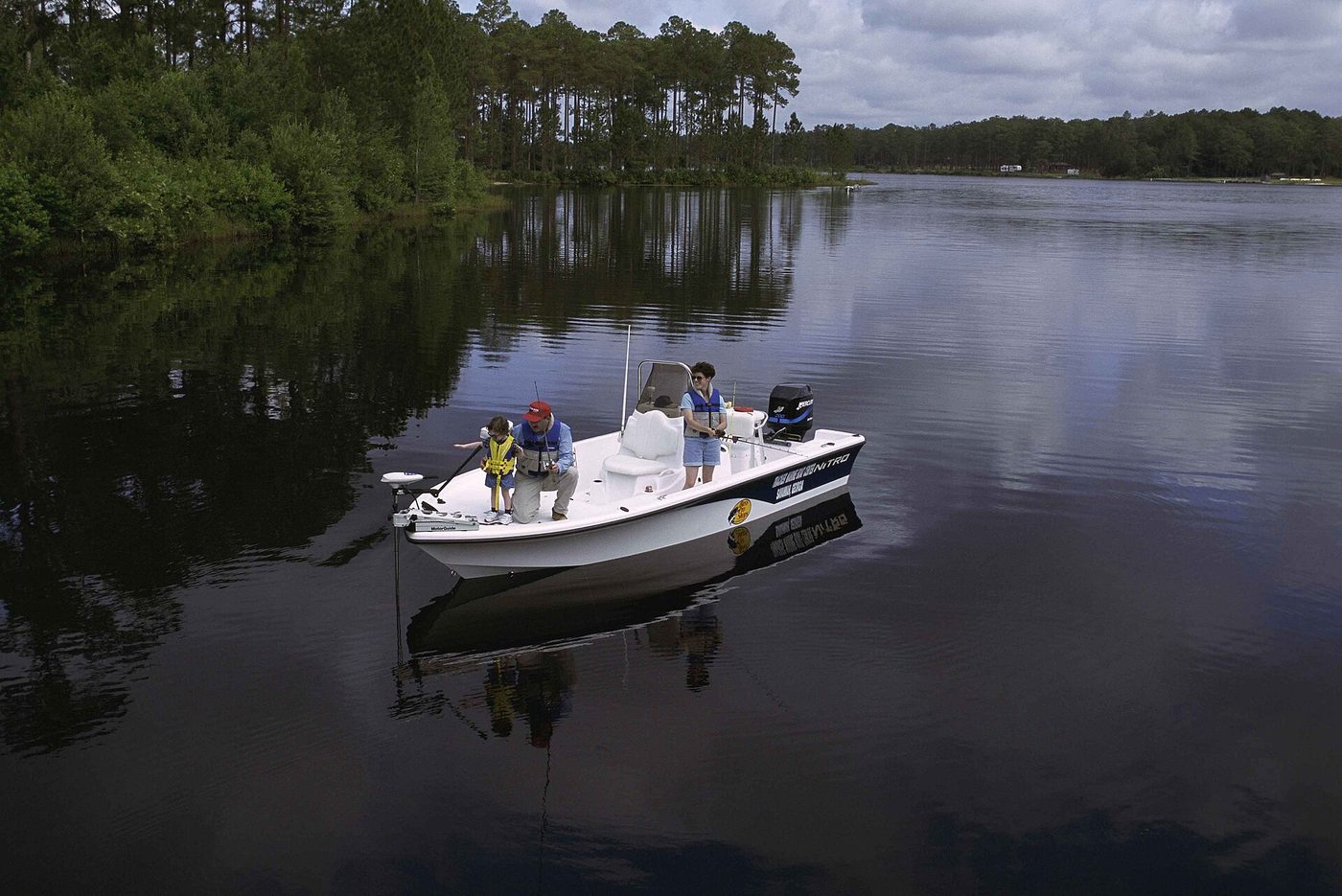
Boating, walking, field sports and community events are part of the local recreation mix. Many regional trips use I-77, while Catawba Avenue and NC 115 connect neighborhoods with Davidson, Huntersville and local services.
Town and county parks, lake access points and cultural programming provide varied activities. Charlotte-Mecklenburg Schools serves Cornelius, but school assignment depends on the exact address and current CMS boundaries.
Restaurants and shopping are distributed among the historic center, Catawba Avenue and mixed-use nodes near the interstate and lake. Confirm current tenants rather than presenting a static list of businesses.
Cornelius is a Lake Norman town in northern Mecklenburg County about twenty minutes north of Uptown Charlotte, and the range of Cornelius homes for sale runs from townhomes and condominiums near $300,000 to main-channel waterfront estates above $3 million. The town splits cleanly in two along Interstate 77. West of the interstate is the lake: Jetton Road, the Peninsula, and the waterfront and lake-access subdivisions that Duke Power's land development arm laid out when Lake Norman filled in the 1960s. East of it is Old Town, the original mill village that gave Cornelius its start, now redeveloping around a performing arts center and a converted mill. Locals call the whole place Exit 28, after the interstate junction that connects the two halves.
That west-east division is the most useful thing a buyer can understand about this market, because it separates two different products at two different price tiers. The western side runs to waterfront and lake-access houses, large contemporary builds, and private club communities, and it is where the town's top of market sits. The eastern side runs to ranch and Craftsman houses, mill-era cottages, townhomes, and the newer mixed-use Antiquity development, at prices the waterfront does not reach. Cornelius was founded in 1893 and incorporated in 1905 around cotton purchasing and textile production, so the housing spans well over a century, and the two halves of town were built roughly seventy years apart.
The market has softened at the top while holding at the middle. MLS data for the 28031 ZIP code as of early September 2026 showed a median list price near $590,000 at about $319 per square foot, with a median of roughly 72 days on market and about 189 active listings across single-family homes, townhomes, and condominiums. Waterfront pricing is a separate question and a volatile one: Redfin's figures for the Peninsula have swung sharply from quarter to quarter on a handful of sales, which is what happens when a market of a few hundred houses records six closings in a month. Anyone quoting a Peninsula median should be asked how many sales it rests on before it is treated as a trend.
The Andy Bovender Team serves Cornelius from a Compass office at 4525 Sharon Road in Charlotte, as part of a footprint that also covers Charleston, Columbia, Wilmington, Fort Mill, Greenville, Lake Murray, and the Outer Banks. Two things make local knowledge worth more here than the lake views suggest. First, on the water, price is set by shoreline rather than by square footage: main channel versus cove, water depth at the dock, whether a pier is permitted and what type it is, and how much usable shoreline a lot actually has. Second, several of the western communities carry club or marina membership structures that are separate from home ownership, so a buyer needs to know what is included, what is optional, what it costs, and whether there is a waiting list before treating an amenity as theirs.
Jetton Park and a 1.5-Mile Lakefront Loop
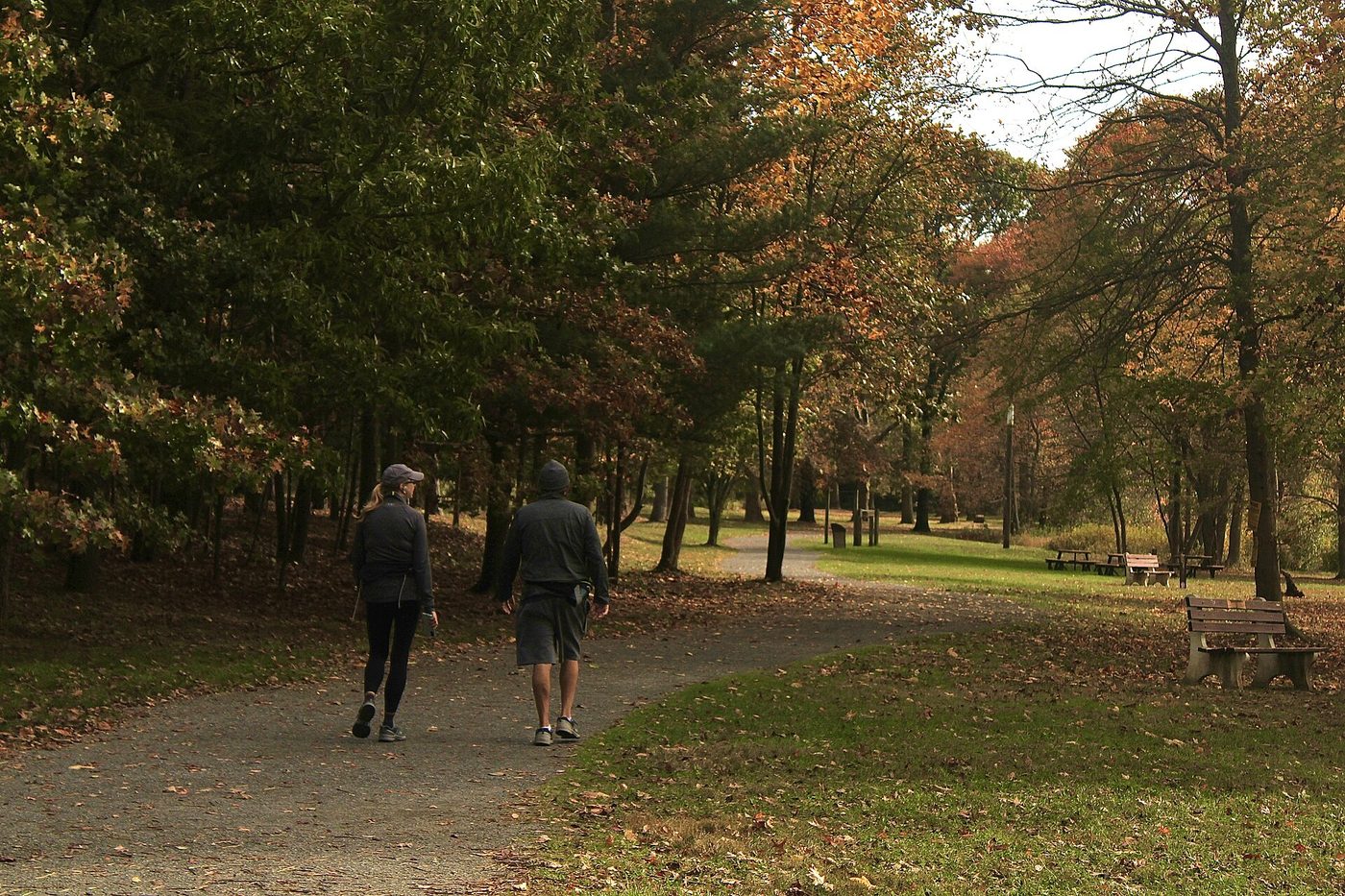
Jetton Park at 19000 Jetton Road runs a paved 1.5-mile loop along Lake Norman under mature trees, with small waterfront beaches, tennis courts, picnic decks, fishing spots, a playground, and restrooms. It is the best public lakefront in the town and it does not require owning a dock.
A Swimming Beach at Ramsey Creek Park
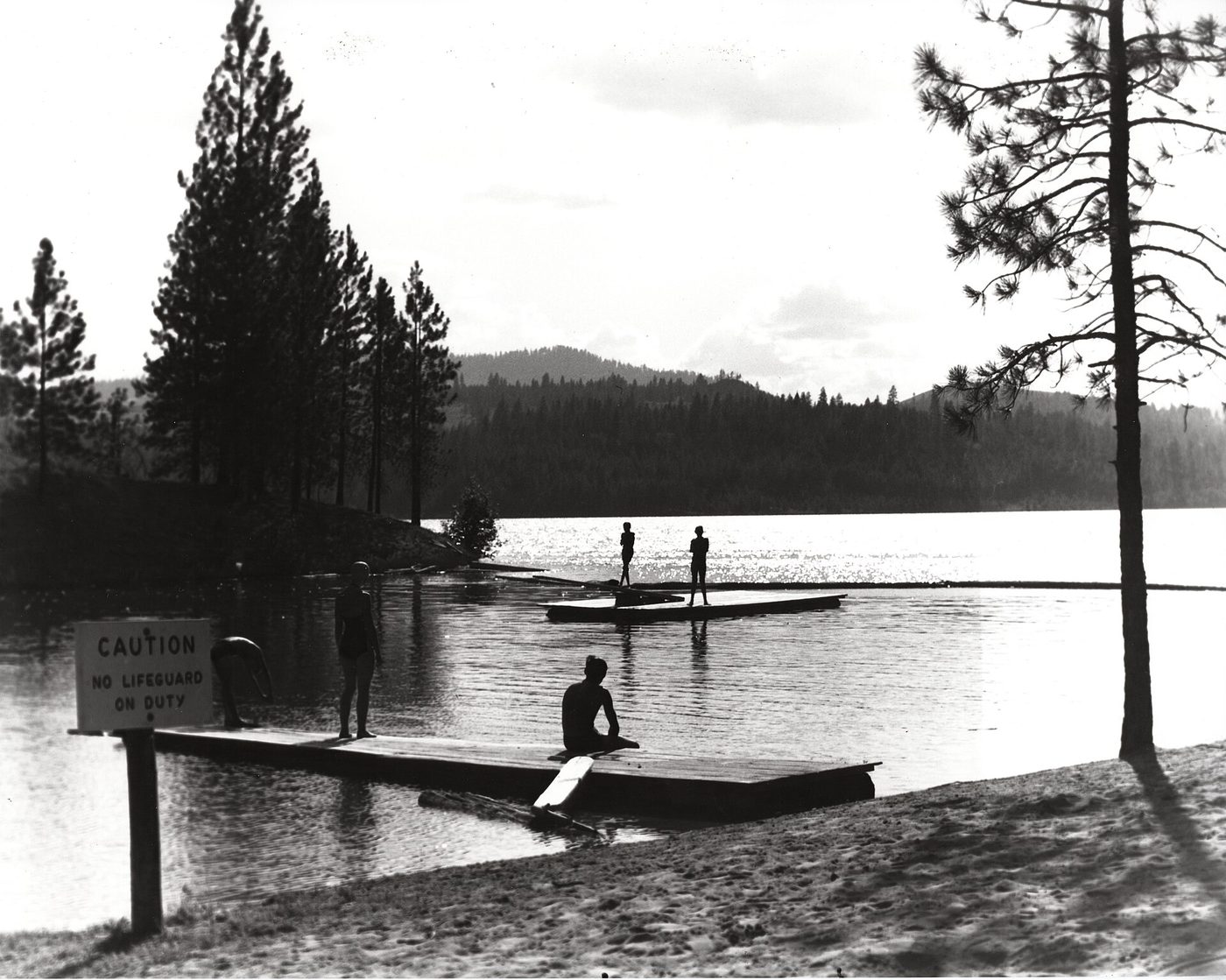
Ramsey Creek Park at 18441 Nantz Road holds the area's public swimming beach with seasonal lifeguards, along with a boat ramp, a dog park, a large playground with a zip line, walking paths, and picnic shelters. The beach runs on a seasonal schedule, so check days and hours before going.
The Cain Center for the Arts in Old Town
The Cain Center for the Arts anchors Old Town Cornelius as a performing arts and gallery venue, and it is the single largest reason the eastern side of town has redeveloped. It sits within walking distance of Oak Street Mill and the Antiquity development, which are redeveloping around it.
Eleven Miles of Shoreline on One Peninsula
The Peninsula is a stretch of land reaching into Lake Norman with fingers of its own, holding roughly 800 homes across about 11 miles of shoreline, along with a private golf club and a full-service yacht club. It is the best-known address on this side of the lake.
Twenty Minutes to Uptown From Exit 28
Interstate 77 at Exit 28 puts Uptown Charlotte roughly twenty minutes south outside peak hours and Charlotte Douglas International Airport a similar distance, which is why Cornelius works as a lake town people commute from rather than only retire to. Peak-hour traffic on I-77 is a real and recurring issue.
A Mill Village That Is Being Rebuilt Rather Than Erased
Old Town holds the original brick row, mill-era cottages, and the converted Oak Street Mill at 19725 Oak Street, alongside the town hall and new live-work units. The town has adopted a downtown master plan for the district, which means this side of Cornelius will look different in a few years.
Cornelius divides at Interstate 77 into a lake side and an Old Town side, and within those two halves five areas behave as distinct markets. Which one a listing sits in explains most of the difference in price, product, and daily life.
The Peninsula
The Peninsula is the town's best-known address and the top of its market, occupying a stretch of land reaching into Lake Norman with fingers of shoreline of its own. It holds roughly 800 homes across about 11 miles of shoreline, along with a private golf club and a full-service yacht club on Yacht Club Drive. Housing runs to large custom and semi-custom waterfront houses, off-water houses on interior streets within the community, and a smaller supply of attached product, so the community is not uniformly waterfront even though it is uniformly associated with it. Two diligence items belong in every offer here. Club and marina memberships are structured separately from home ownership, so confirm what is included, what it costs, and whether there is a waiting list. And on the water, verify pier permit status and water depth rather than relying on photographs.
Jetton Road and the Western Waterfront
The corridor along Jetton Road and the surrounding western shoreline holds the town's older established lake neighborhoods, including Jetton Cove and Patrick's Purchase, laid out when the shoreline was first developed. Housing here spans brick and traditional houses from the 1970s through the 1990s, substantial renovations of those, and newer custom rebuilds on original lots, with both waterfront and off-water inventory inside the same neighborhoods. Jetton Park sits in the middle of this area, which gives residents public lakefront within walking distance of many of these streets. Buyers looking here are typically choosing established trees and shoreline over new construction, and should budget for the systems profile of houses now thirty to fifty years old.
Old Town and the Oak Street Mill District
Old Town on the eastern side of the interstate is the original Cornelius, and it is the part of the market changing fastest. The mill village housing remains in the form of cottages and modest older houses on a compact grid, alongside the town hall, the Cain Center for the Arts, the converted Oak Street Mill on Oak Street, and three-storey live-work units along Catawba Avenue. This is the only genuinely walkable part of Cornelius, and it is the entry point into the town on price. Two things a buyer should know. The live-work units carry use restrictions requiring the owner to operate a business on the ground floor and live above, which narrows resale considerably. And the town has adopted a downtown master plan for this district, so what is next door in five years may not be what is there now.
Antiquity
Antiquity is a mixed-use development on the eastern side, immediately adjacent to Old Town and the Cain Center, built largely after 2000 to a walkable plan with its own retail, restaurants, and greenway. Housing runs to detached houses on small lots, townhomes, and apartment buildings mostly of two and three bedrooms, which makes it the most current-construction option in Cornelius and the natural choice for buyers who want a modern house and a sidewalk to walk on. It also puts residents within walking distance of the Cain Center and Oak Street Mill and a short drive from Davidson to the north. Buyers should read the association documents and, since the surrounding district is under a master plan, ask what is approved nearby.
The Robbins Park Area and the Eastern Subdivisions
East of Antiquity, the subdivisions around Robbins Park and running out toward the NC-115 corridor and Davidson form the conventional suburban middle of the Cornelius market. Housing runs to ranch, Craftsman, and two-storey traditional houses on standard suburban lots, generally from the 1990s through the 2010s, with mature landscaping and sidewalk networks in the newer sections. Robbins Park sits in this area with paths and ponds and carries much of the town's youth sport. This is the volume segment of the market for buyers who want a house rather than a lake and who are not paying for shoreline, and it is where the gap between Cornelius and the towns further from the lake narrows most.
Property Types Across Cornelius
Four categories cover the town. Waterfront houses with private docks, concentrated in the Peninsula and along the western shoreline, are the top of the market and are priced on shoreline characteristics rather than square footage. Off-water houses inside lake neighborhoods capture the location, the club access, and the school assignment without the water premium or the shoreline maintenance, and they are the value play on the western side. Established suburban houses in the eastern subdivisions are the volume of the market. Townhomes, condominiums, and mill-era cottages in Old Town and Antiquity are the entry point and the only walkable product in town. A buyer comparing a waterfront listing to an off-water listing in the same subdivision is comparing two different assets, and that distinction matters more in Cornelius than the address they share.
Cornelius dining sits in two clusters that reflect the town's two halves: the Catawba Avenue corridor running west toward the lake, and North Main Street in Old Town on the eastern side.
Seaboy, at 20822 North Main Street, is the seafood restaurant that has become the town's benchmark, working oysters, crab dip, halibut, and a serious cocktail list in Old Town. Dinner only, closed Mondays, and reservations are advisable.
Barrel and Fork, at 20517 North Main Street, occupies a house in Old Town with a long porch and fire pits, doing elk, wild boar, and scratch cocktails. Dinner only, closed Mondays.
Harp and Crown LKN, at 19930 West Catawba Avenue, is the Irish pub on the lake side, with a back patio, fireplaces, fish and chips, and Premier League football on the screens. Closed Tuesdays.
Zapata's, at 19905 West Catawba Avenue, is the long-running Mexican restaurant on that corridor, open seven days with a full bar.
Peach Cobbler Factory, at 21303 Catawba Avenue, covers dessert, with cobblers, banana pudding, churros, and cookies, open daily from noon until 10 with picnic tables out front.
Catawba Avenue is the commercial spine of Cornelius, and it does most of the work on both sides of the interstate. Running west from Exit 28 toward the lake it carries grocery, restaurants, services, and everyday retail in strip and standalone formats rather than in a walkable center. East of the interstate, Catawba continues into Old Town and Antiquity, where the character changes: Antiquity has its own small retail and restaurants on a walkable plan, and Old Town holds independent businesses, the town hall, a grocery store, and the Oak Street Mill redevelopment. Beyond the town, Birkdale Village in Huntersville is a few minutes south and is the closest open-air shopping center of scale, while Northlake Mall covers department-store shopping about fifteen minutes south and Charlotte handles anything else at roughly twenty. Buyers should note that Cornelius is not laid out for walking outside Old Town and Antiquity, and that a house on the western side means driving for almost every errand.
Lake Norman is the reason most people are here, and public access to it is better in Cornelius than in most of the towns around it. Jetton Park at 19000 Jetton Road runs a paved 1.5-mile loop along the shoreline under mature trees, with small waterfront beaches, tennis courts, picnic decks, fishing access, a playground, and restrooms. Ramsey Creek Park at 18441 Nantz Road holds the public swimming beach, staffed by lifeguards on a seasonal schedule, along with a boat ramp, a dog park, a large playground with a zip line, and picnic shelters. Robbins Park on the eastern side adds paths and ponds and carries much of the town's youth sport, and Blythe Landing provides further lake and boat access.
On land, the Cain Center for the Arts in Old Town is the town's performing arts and gallery venue and the anchor of the eastern side's redevelopment. The town's event calendar runs through the year and has included Laketoberfest, Symphony in the Park, and a jazz festival, all worth checking for current dates. Golf and boating are organized privately through the club communities on the western side rather than through public facilities. For professional sport, major performance venues, and museums, residents drive about twenty minutes south into Uptown Charlotte, which is covered on its own page in this volume, and Charlotte Douglas International Airport is a similar distance.
Cornelius is known as a Lake Norman town in northern Mecklenburg County, North Carolina, about 20 miles north of Charlotte. It is recognized for waterfront living and a strong sailing and boating culture, marinas and lake-access parks, a small historic downtown, the Cain Center for the Arts, and proximity to Birkdale Village and top-rated schools.
Living in Cornelius pairs Lake Norman recreation with suburban convenience. Residents sail and boat from the yacht clubs and marinas, use lakefront parks like Ramsey Creek and Jetton, and shop and dine at nearby Birkdale Village, with a short Interstate 77 commute to Charlotte. The town suits both families and waterfront-focused buyers.
Homes in Cornelius carry a median around $525,000 to $600,000. Condos and townhomes start in the $300,000s, most single-family homes run from the $400,000s to $800,000s, and waterfront estates on Lake Norman reach $1.5 million to several million, with the lakefront commanding strong premiums.
Cornelius offers condos and townhomes, updated Craftsman and traditional single-family homes, lake-access communities like Bahia Bay and Caldwell Station, and luxury waterfront estates in areas such as Island Forest and The Peninsula, a golf community that straddles Cornelius and Huntersville. Buyers can find everything from low-maintenance condos to lakefront luxury.
Cornelius sits in northern Mecklenburg County, North Carolina, on Lake Norman's southern shore, about 20 miles and 25 minutes north of Uptown Charlotte via Interstate 77. Huntersville is just south, Davidson just north, and Birkdale Village is minutes away. Students attend Charlotte-Mecklenburg Schools in the north Mecklenburg cluster.

The Andy Bovender Team pairs deep Carolinas market knowledge with the reach of Compass. Expect straight answers, sharp preparation, and a process that stays simple, whether you are buying, selling, or both.