Charleston Downtown offers the walkable historic and civic core of the Charleston peninsula, with a dense mix of residences, workplaces, cultural sites, and visitor destinations.
Discover Local CommunitiesThe editorial area generally centers on the lower peninsula, but its boundary should be set before neighborhood-level statistics are published. Here, housing includes historic single houses, row houses, condominiums, apartments, and carefully regulated infill.
Walking is practical for many short trips, though parking, tourism, flooding, and preservation requirements are important parts of daily ownership.
Conditions can vary by street, development, and jurisdiction, so property-level due diligence remains important.
Waterfront Park, the Battery, museums, theaters, churches, and civic spaces shape the area's cultural life. School zoning is address-specific, and magnets or charters should never be presented as automatic assignments.
School note: Attendance zones, program eligibility, and transportation can change. Confirm every assignment with the district using the full property address before making a housing decision.
King, Meeting, East Bay, Broad, and surrounding streets support a wide range of local dining, galleries, markets, and retail.
Downtown Charleston is the historic peninsula between the Ashley and Cooper rivers, and the range of downtown Charleston homes for sale runs from condominiums around $500,000 to historic houses well above $4 million. What most buyers searching this market do not expect is how much of it is attached: in a recent month Redfin counted 40 condominiums, 9 townhouses, and 1 multi-family unit for sale downtown against 7 single-story houses. Downtown Charleston is a condominium and townhouse market with a famous single-family market sitting on top of it, and the two behave completely differently.
That split shows up directly in the figures. One market summary put the downtown median at about $1.3 million as of February 2026, up roughly half a percent year over year, while noting that condominiums run around $1,162,500 and single-family houses average around $3,500,000. Zillow's home value index for the 29401 ZIP code stood near $1.5 million, up about 4.5 percent. Neighborhood-level guidance places South of Broad in the $2 million to $4 million range and the French Quarter between $1.5 million and $2.5 million, with the areas north of Calhoun Street more accessible. Every one of those is measuring a different slice.
The other number that matters is pace, and it is slow. Downtown listings have recently been taking around 106 days to sell, and Redfin counted just two closings in a month across the whole downtown area in one recent period. Charleston as a city sits at a Redfin Compete Score of 44 out of 100 with an average sale price around $625,000, so the wider market is moderate while downtown is slower still. For a seller that means pricing correctly at the outset matters more than it has in years. For a buyer it means genuine negotiating room, particularly on listings that have already been sitting, and time to complete the diligence a two-hundred-year-old building deserves.
The Andy Bovender Team serves Charleston from a Compass office at 708 South Shelmore Boulevard in Mount Pleasant, across the Cooper from the peninsula, as part of a footprint that also covers Charlotte, Columbia, Wilmington, Fort Mill, Greenville, Lake Murray, and the Outer Banks. Two things make representation matter here more than in almost any market on this site. First, buying a condominium downtown means buying into a regime document as much as a unit, and in historic buildings the reserve funding, assessment history, insurance arrangements, and deferred maintenance carry more weight than anywhere else. Second, flood zone, base flood elevation, and the elevation certificate for a specific address are first-order questions on this peninsula, and insurance is the line item buyers from other markets most consistently underestimate.
A City You Can Live In Without Driving
The peninsula is roughly two miles from The Battery to the Crosstown, and groceries, restaurants, offices, the medical district, and the waterfront all sit inside that distance on a walkable grid. It is one of very few places in the Southeast where a household can genuinely operate without a second car.
A Condominium Market Most Buyers Miss
Downtown Charleston holds far more condominiums and townhouses than single-family houses on the market at any given time, much of it in converted historic buildings. For buyers who assumed this market was out of reach, the attached side is where the accessible end of it lives.
Architecture Under Actual Protection
Charleston established the country's first historic district zoning in 1931, and exterior work on the peninsula still goes through the Board of Architectural Review. That is why the streetscape looks the way it does, and it is a real constraint on what an owner may change as well as a guarantee about the neighbors.
A Restaurant Scene People Plan Trips Around
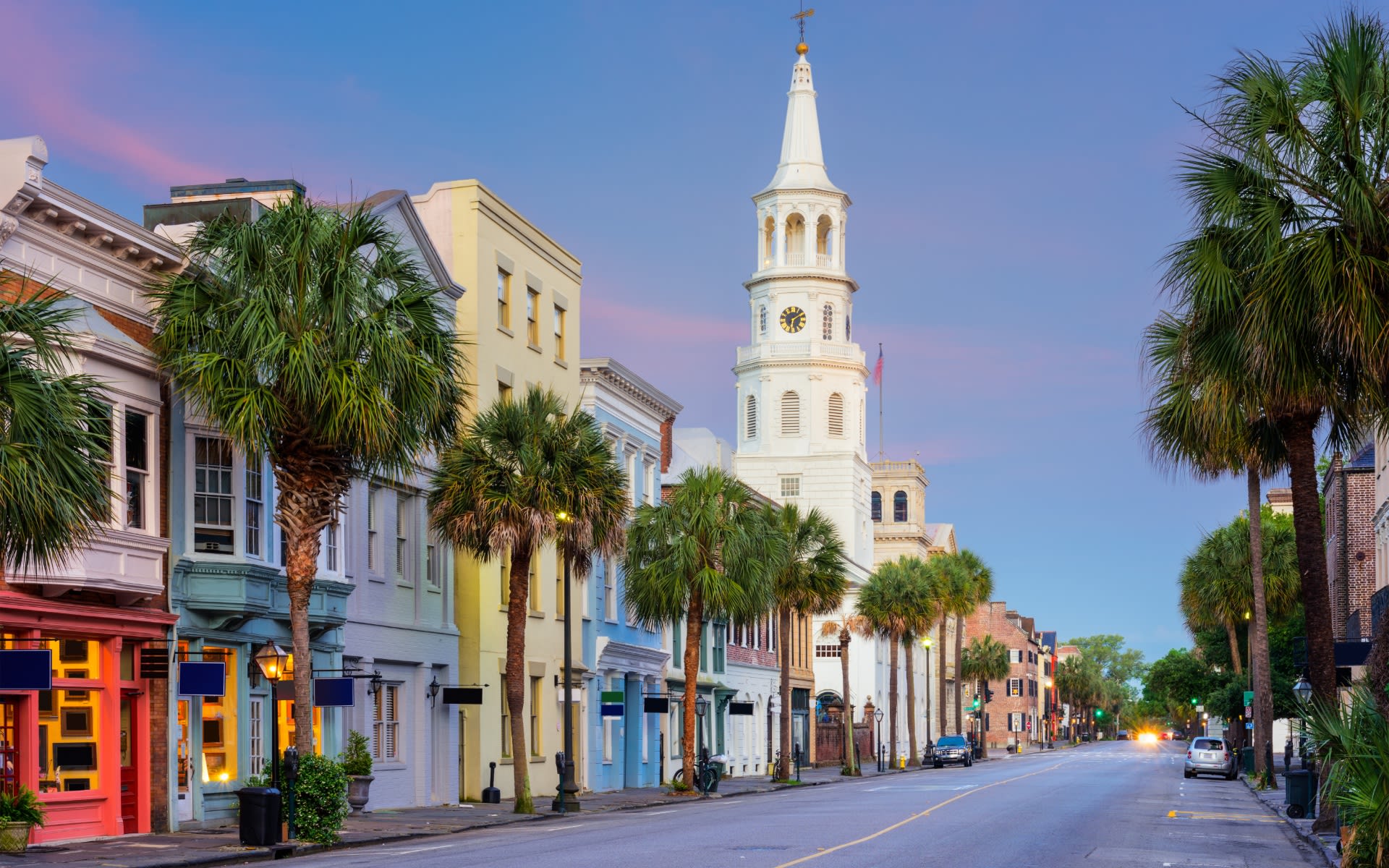
King Street, East Bay, and Broad Street hold a concentration of nationally recognized kitchens inside a walkable few blocks. Residents walk to restaurants that visitors book months ahead for, and the density of them on this peninsula is unmatched in the Southeast.
Waterfront Park and the Harbor
Waterfront Park runs along the Cooper River off Vendue Range and Concord Street with a pier, harbor swings, lawn, and two fountains including the Pineapple Fountain, and White Point Garden holds the point where the two rivers meet. The harbor is the city's front garden.
Negotiating Room a Buyer Has Not Had in Years
Downtown listings have recently been taking around 106 days to sell, with very few monthly closings across the whole area. That is uncomfortable for sellers and it means buyers have time to look properly, complete real diligence, and negotiate, which on a two-hundred-year-old building matters.
This section is written by property type rather than by geography, deliberately. The residential sub-areas of the peninsula are covered on the Peninsula of Charleston inside of Crosstown page, and repeating them here would put the same content on two pages.
Condominiums in Converted Historic Buildings
The largest category of downtown inventory by some margin is condominiums, much of it in historic buildings converted to residential use, concentrated in the French Quarter, Ansonborough, and along King Street. These carry the lowest maintenance burden of anything on the peninsula and the highest share of second-home and investor ownership, and they are where the accessible end of this market lives. The diligence is different from a house and it is more important, not less. Reserve funding, the assessment history, what the building has deferred, and above all the insurance arrangement deserve more scrutiny than the unit does, because in a historic building on a flood-exposed peninsula those four things determine what ownership actually costs.
Purpose-Built and Newer Condominiums
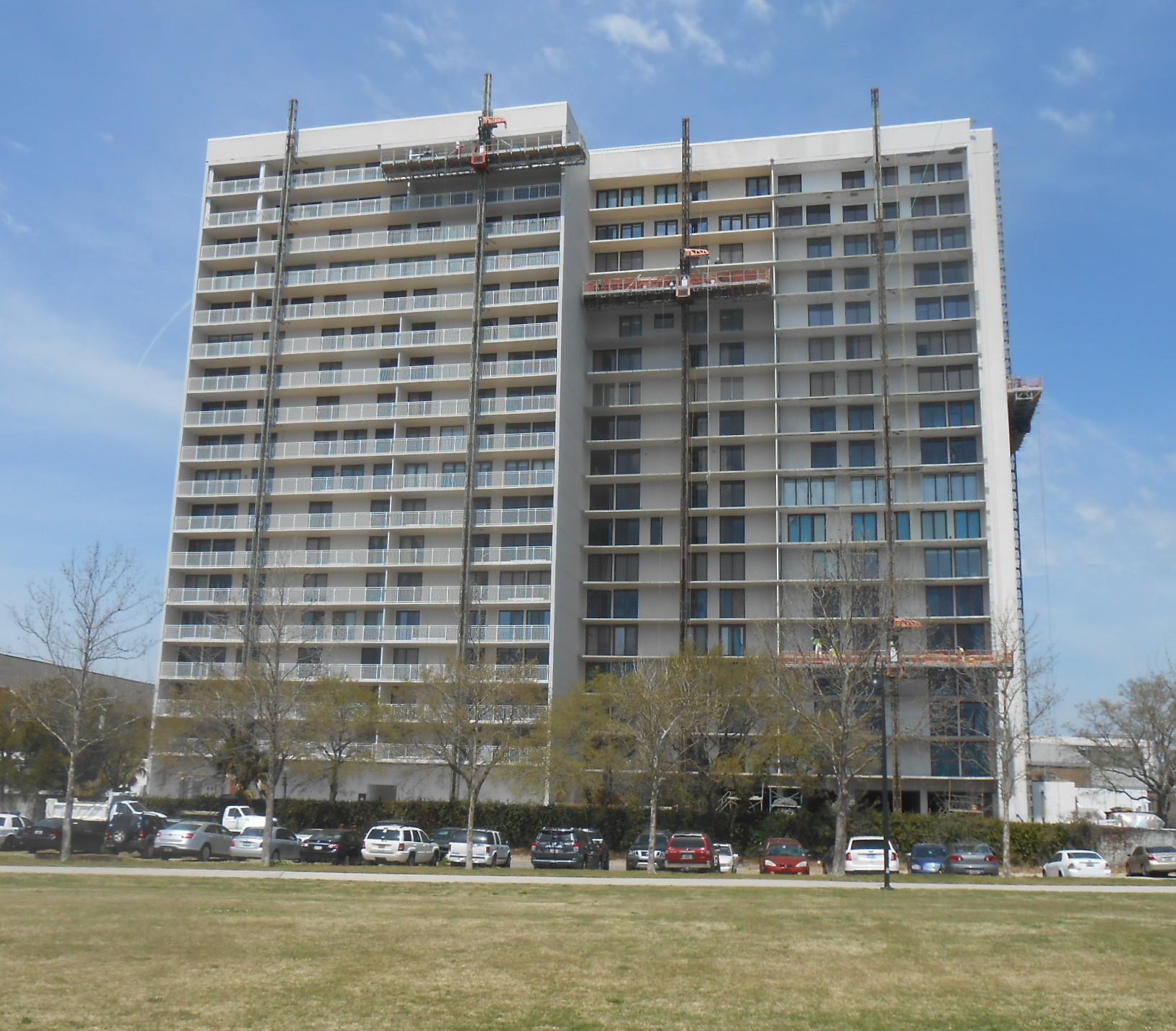
Alongside the conversions, the peninsula holds purpose-built condominium buildings of various eras, generally offering more predictable layouts, more modern systems, and amenity packages the conversions do not have. These trade at different prices to the historic buildings and appeal to a different buyer, particularly one who wants the location without the uncertainties that come with a two-hundred-year-old structure. The questions are the standard association questions, with two Charleston-specific additions: what the building's elevation and flood exposure are, and what its insurance costs have done over the past five years, because that trend tells a buyer more than the current figure does.
Townhouses and Charleston Single Houses
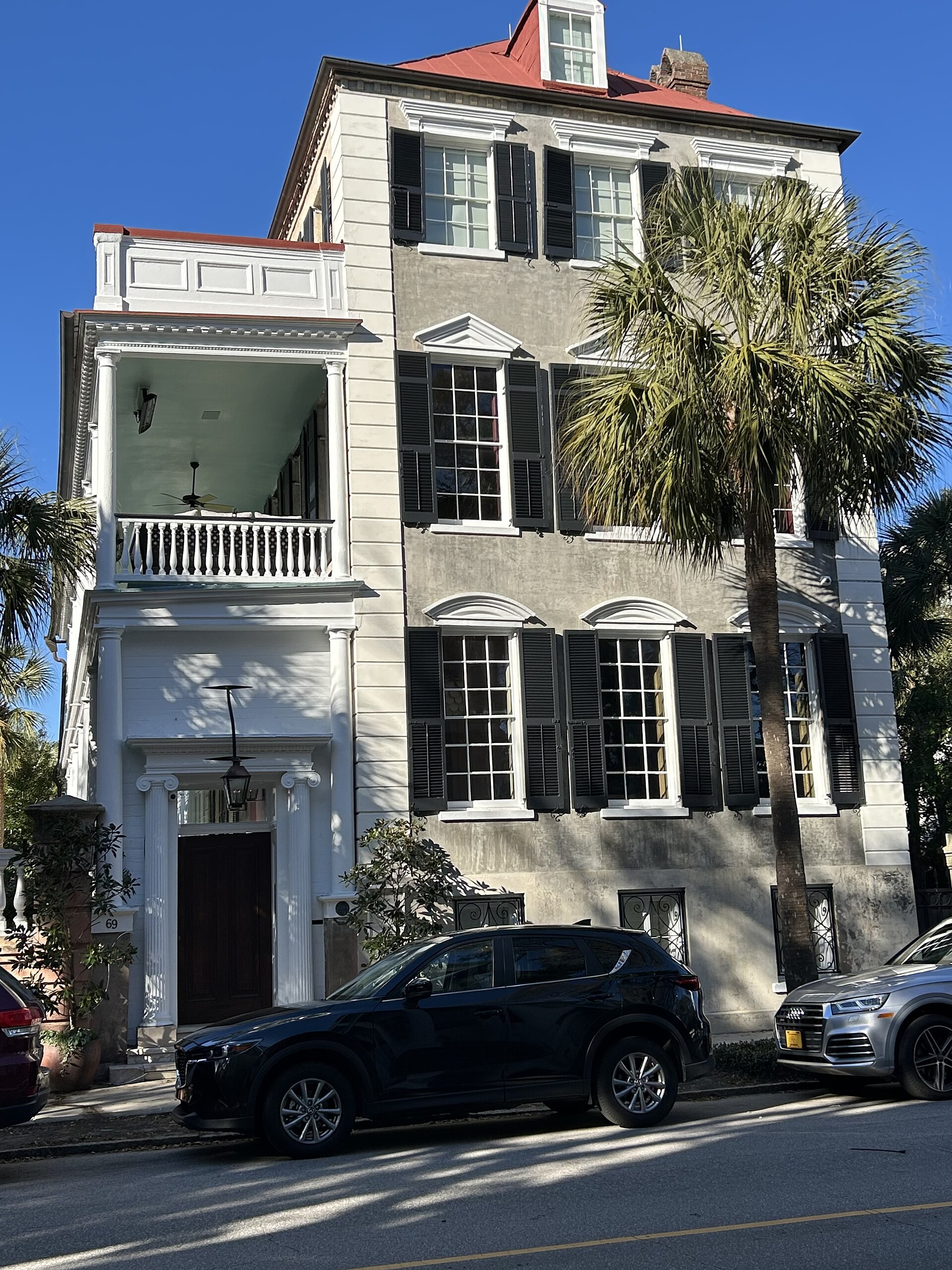
Townhouses and the classic Charleston single house, one room wide with a side piazza and its narrow end to the street, sit between the condominium market and the grand houses. This is the middle of the downtown market and it appears at every price level across the peninsula's neighborhoods. Buyers here get genuine historic architecture with a private entrance and, usually, some outdoor space, at prices below the landmark houses. The diligence profile is that of a two-hundred-year-old timber and masonry structure: foundation, envelope, systems, what previous renovations did and under what permit, and how the piazza and the exterior have been maintained, since those fall under historic review.
Landmark Historic Houses
At the top sit the grand historic houses, concentrated South of Broad and in Ansonborough, which is the market downtown Charleston is famous for and the smallest part of it by volume. Local guidance places South of Broad in the $2 million to $4 million range and above, with the French Quarter somewhat below that, and inventory is thin enough that months can pass without a comparable sale. Buyers at this level are usually buying a specific house rather than choosing between several, and the diligence runs to a full structural and systems survey by someone who has worked on buildings of this age, plus flood elevation, insurance, and the full renovation and permit history.
What Decides Value Across All Four
Four questions cut across every property type on this peninsula and they are more consequential here than the type itself. Flood zone and base flood elevation for the specific address, because they drive insurance and because they vary street by street. Insurance cost and its recent trend, which buyers from other markets consistently underestimate and which has moved sharply in coastal South Carolina. Off-street parking, which is scarce enough downtown that it is priced as an amenity rather than assumed. And short-term rental eligibility, which is address-specific, governed by city overlay rules that change, and which materially affects both value and what an owner may do with a property. A buyer who resolves those four before falling for a piazza will make a better decision than one who does it the other way round.
Downtown Charleston's restaurants are covered in full on the Peninsula of Charleston inside of Crosstown page, which names eight across lower King, East Bay, Broad Street, and upper King. Rather than repeat them, what follows is how the scene is organized, which is the more useful thing for someone deciding where to live.
Lower King and East Bay hold the established benchmark restaurants and the highest concentration of visitors, which means the best-known kitchens are here and so are the queues and the reservation windows. Broad Street runs to occasion dining alongside the galleries and law offices, quieter on a weeknight and busier at lunch. Upper King, above Calhoun, is where the newer and more ambitious kitchens have concentrated, and it is the part of the peninsula that has changed most in the past decade. Cannonborough and Elliotborough, further north again, carry the densest run of neighborhood restaurants relative to residents, which makes it the part of downtown where a resident is most likely to become a regular somewhere.
For a buyer the practical point is that these four stretches feel entirely different on a Friday evening, and where a property sits relative to them determines a great deal about daily life. Walk each of them at night before choosing a block.
King Street is the shopping street and it is organized in a way that takes visitors a few trips to work out. Lower King below Market runs to antiques, the middle stretch carries the national retailers, and upper King above Calhoun runs to design, fashion, and independent boutiques. The whole of it is walkable and none of it is a mall. Charleston City Market runs four blocks from 188 Meeting Street toward East Bay under covered sheds, open daily with sweetgrass baskets, local makers, and food vendors, and it stays open evenings on Fridays and Saturdays. Broad Street holds galleries alongside the older commercial fabric, with more along Queen. For groceries and everyday needs, residents use the stores at the top of the peninsula and along the Crosstown, and a buyer should check the walk from a specific address to a full-size grocery store rather than assuming, because it varies more than the distances suggest and it is the most common practical complaint about living here.
Waterfront Park is the peninsula's main public space, running along the Cooper River off Vendue Range and Concord Street with a pier, harbor swings, lawn, and two fountains including the Pineapple Fountain. At the southern tip, White Point Garden sits where the Ashley and Cooper meet, with live oaks, monuments, and the promenade along The Battery, and Rainbow Row faces the harbor a short walk up East Bay. Colonial Lake Park in Harleston Village rings a tidal pond with a walking path and functions as a genuine neighborhood park rather than a tour stop, and Marion Square anchors the upper end at King and Calhoun and hosts the city's farmers market in season.
Culturally, this is a city that punches far above its size. The Gibbes Museum of Art sits on Meeting Street, the Dock Street Theatre is on Church, and the Charleston Gaillard Center on Calhoun handles larger performances. Historic house museums including the Nathaniel Russell House and the Aiken-Rhett House are open to visit, and Spoleto Festival USA takes over venues across the peninsula in late spring. For beaches, residents cross to Sullivan's Island, Isle of Palms, or Folly Beach, each roughly twenty to thirty minutes by car and each covered on its own page, though summer weekend traffic makes those drives substantially longer.
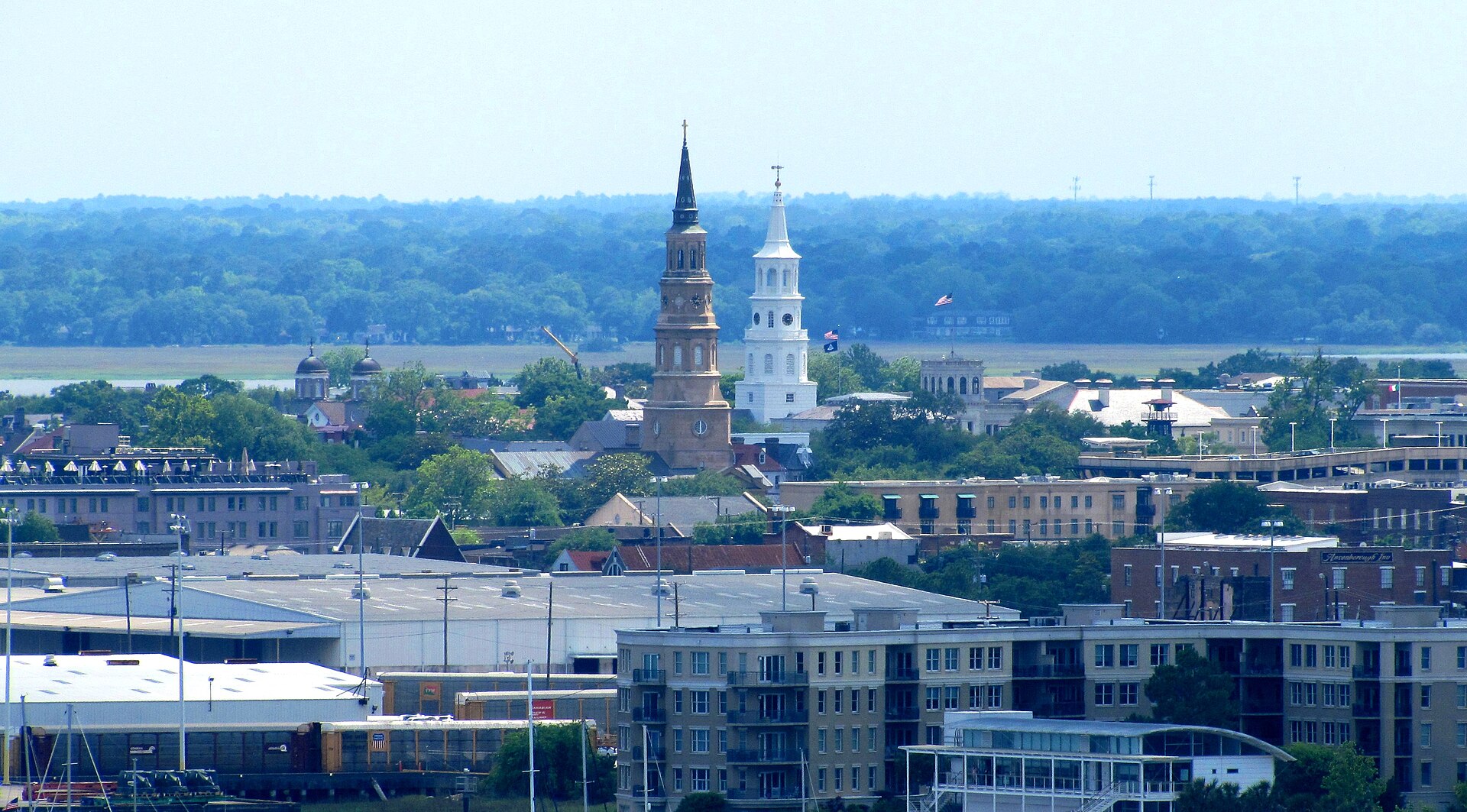
Downtown Charleston is known as the historic peninsula at the heart of the city, one of the best-preserved historic centers in the country. It is recognized for cobblestone streets and antebellum mansions, Rainbow Row, the Battery and White Point Garden, King Street shopping and dining, the French Quarter galleries, and church steeples that give Charleston its Holy City nickname.
Living in downtown Charleston offers a walkable, historic, and urban lifestyle. Residents stroll to King Street shops, acclaimed restaurants, art galleries, and the waterfront, with the College of Charleston and MUSC nearby. Each district has its own character, from quiet South of Broad to the lively French Quarter. Historic preservation rules and tidal flooding are part of life on the peninsula.
Homes in downtown Charleston are among the most expensive in the region. Condos in the French Quarter and Ansonborough start from the $350,000s to $400,000s, renovated cottages and homes in areas like Radcliffeborough and Wagener Terrace run from the $650,000s to $1 million, and historic mansions South of Broad reach $2 million to well over $10 million.
Downtown Charleston offers historic single-family mansions and townhouses, many built before 1900, renovated cottages, and condos, especially in the French Quarter and Ansonborough. New construction is limited by the peninsula's finite land and strict preservation rules. Most South of Broad properties have no homeowner association, while condos offer lower-maintenance, lock-and-leave options.
Downtown Charleston sits on the peninsula at the tip of the metro, bounded by the Ashley River, Cooper River, and Charleston Harbor. The Ravenel Bridge connects to Mount Pleasant, the James Island Connector heads south, and US-17 runs through. Mount Pleasant and West Ashley are minutes away. Students attend Charleston County schools, assigned by exact address.

The Andy Bovender Team pairs deep Carolinas market knowledge with the reach of Compass. Expect straight answers, sharp preparation, and a process that stays simple, whether you are buying, selling, or both.